Dutch Figurative Painter
Keesvan Willigen
A life of art across four cultures — a crafted, organic, universal oeuvre.
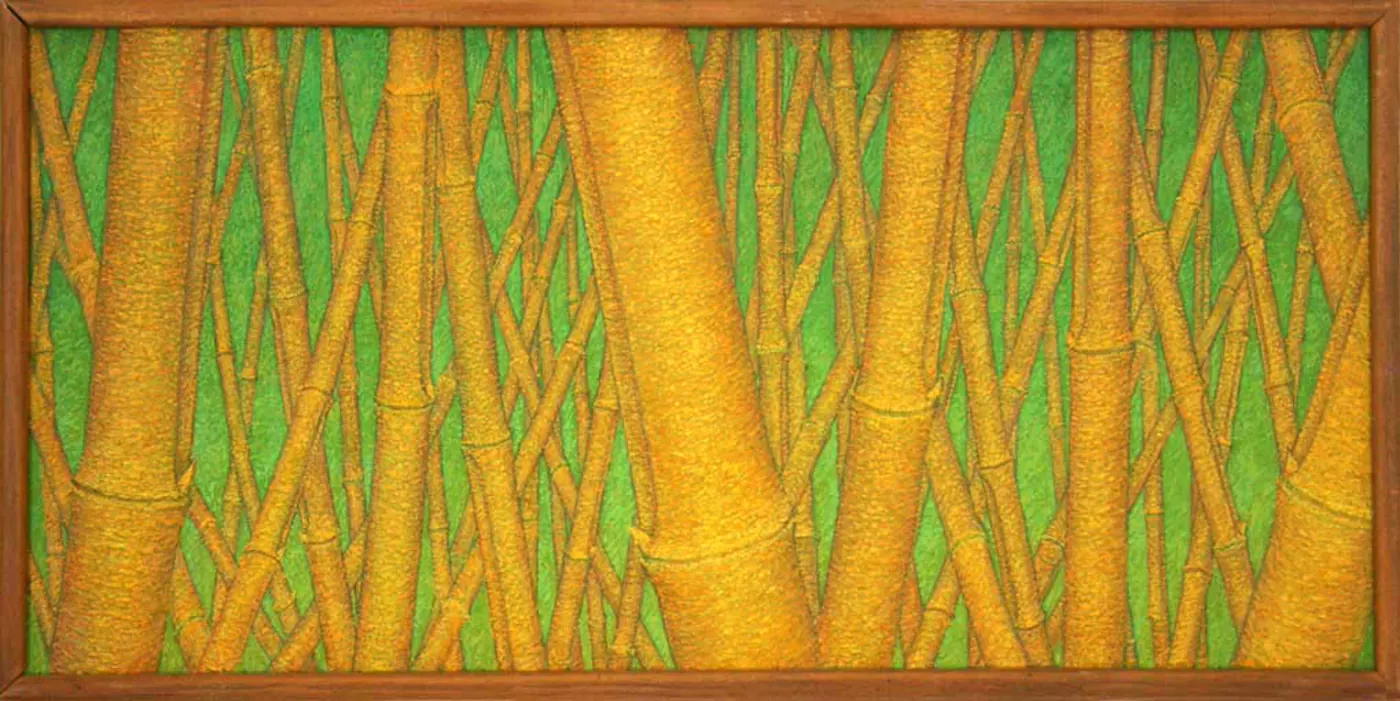
The art of painting the soul
Born in The Hague in 1915 into a large family of Dutch jewellers, Kees van Willigen developed an early, almost surgical eye — trained in Hanau on precious metals, he transposed this precision to brush, ink and watercolor.
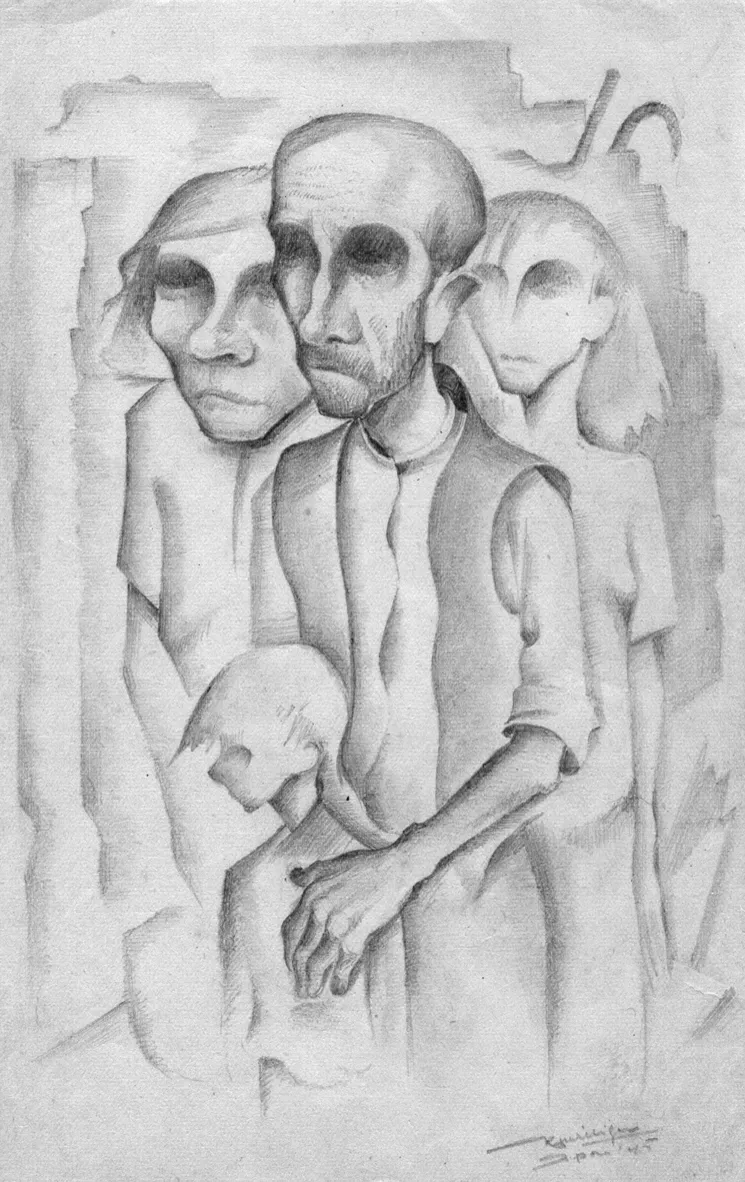
Influenced by surrealism and cubism, his work spans four cultures with rare freedom. Painter, draughtsman, printmaker and architect: a complete artist, driven by a humanist spirit and deeply personal poetry. His colours are inimitable — complex, far from the world of screens.
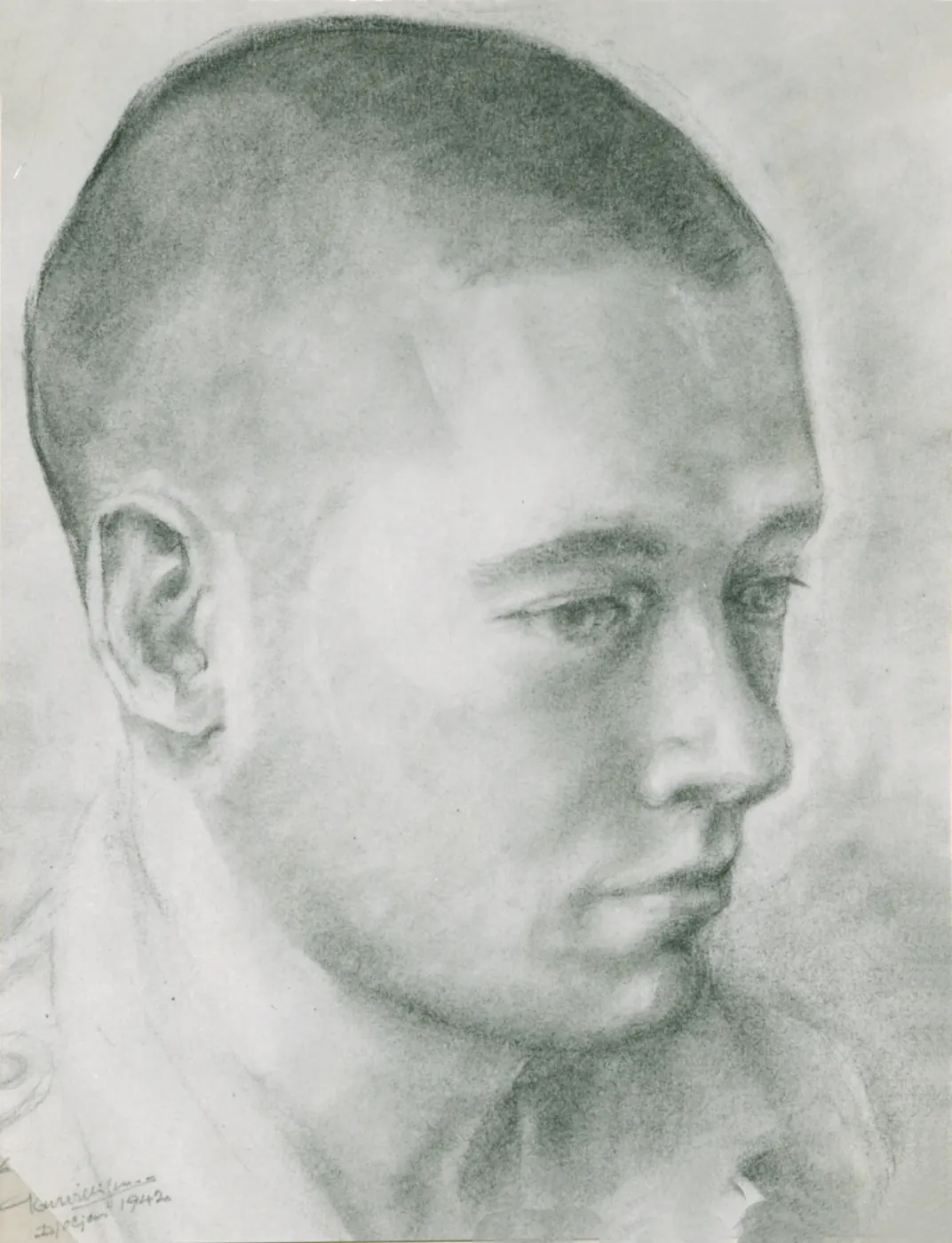
The Hague · Hanau · 1931–1937
Before painting,
goldsmithing
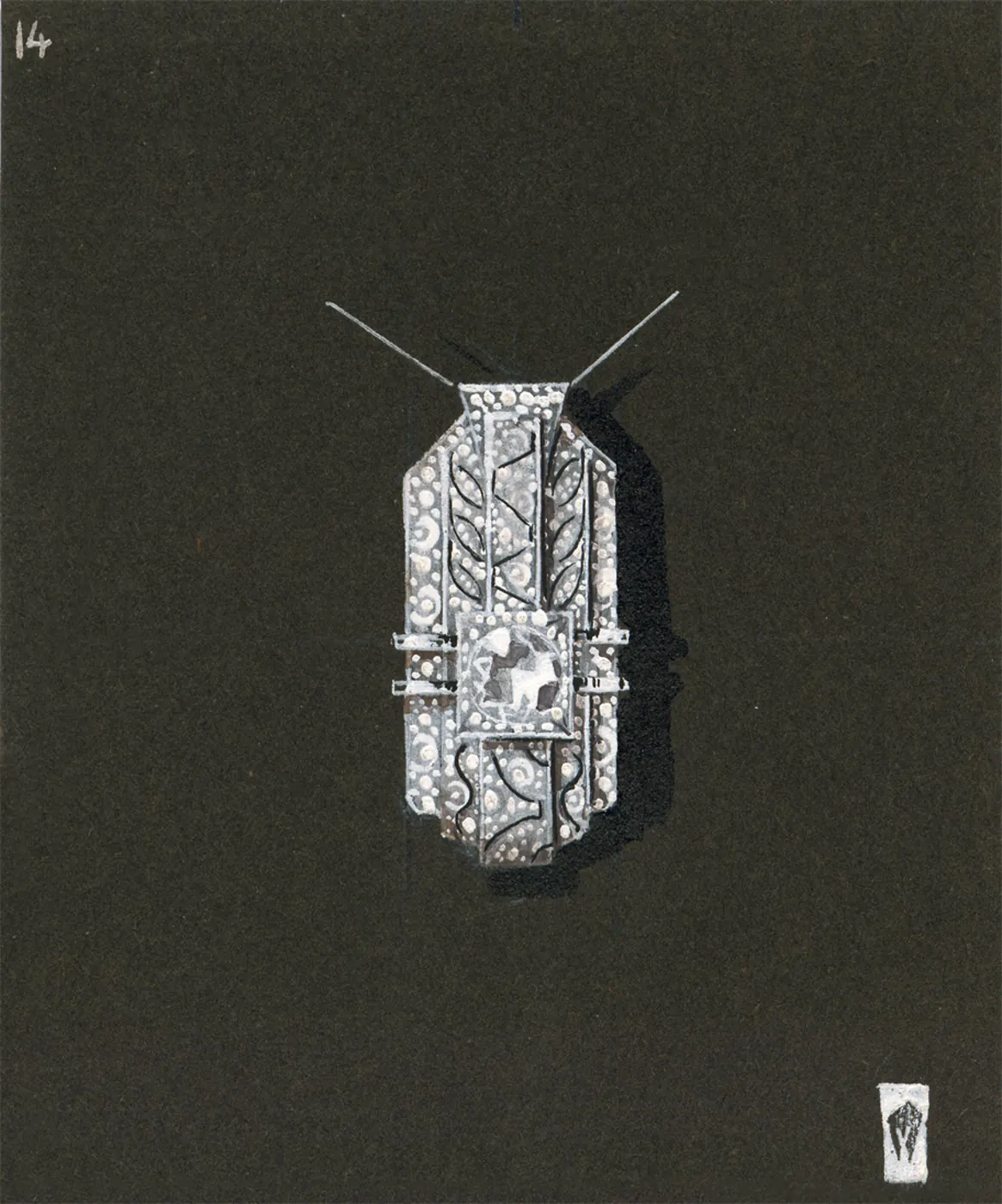
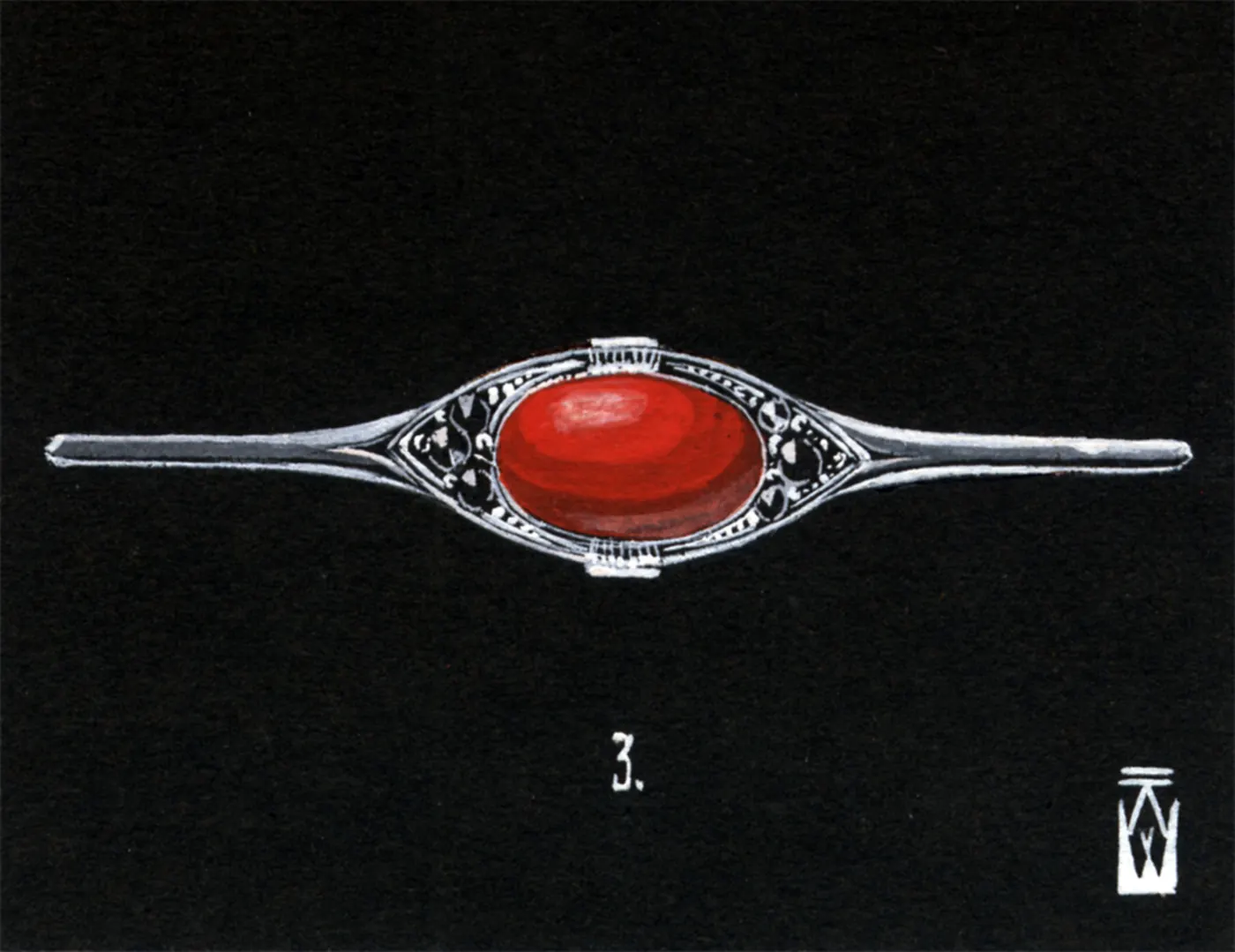
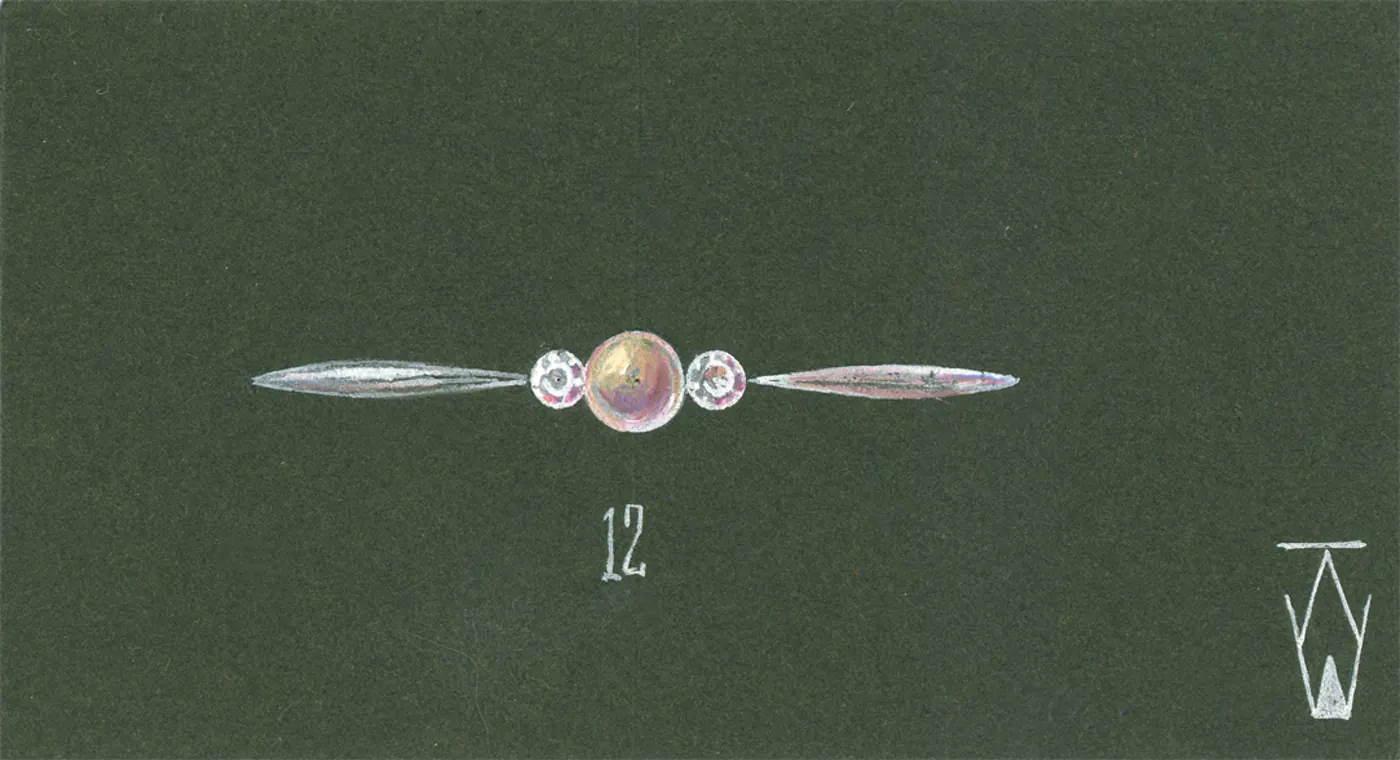
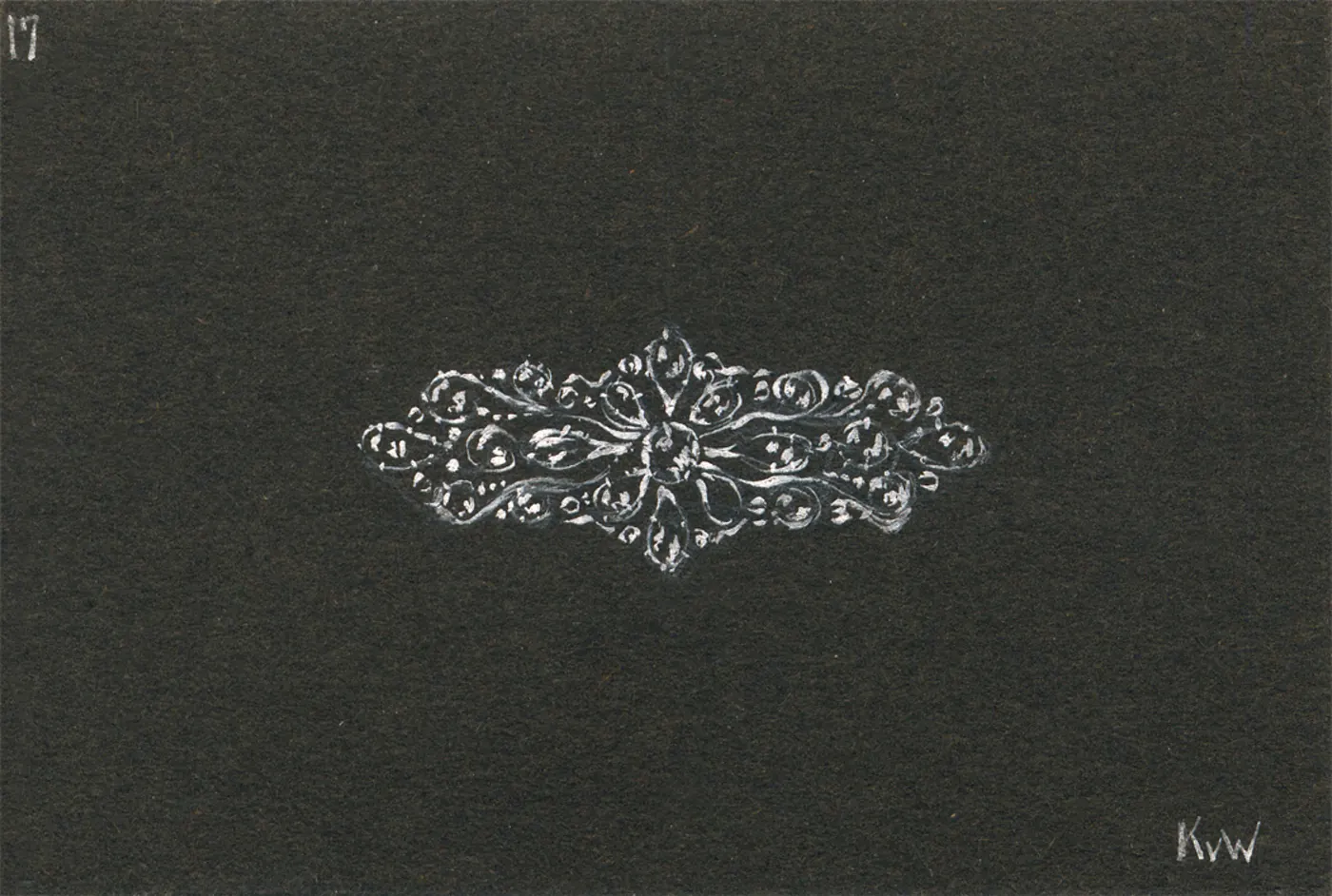
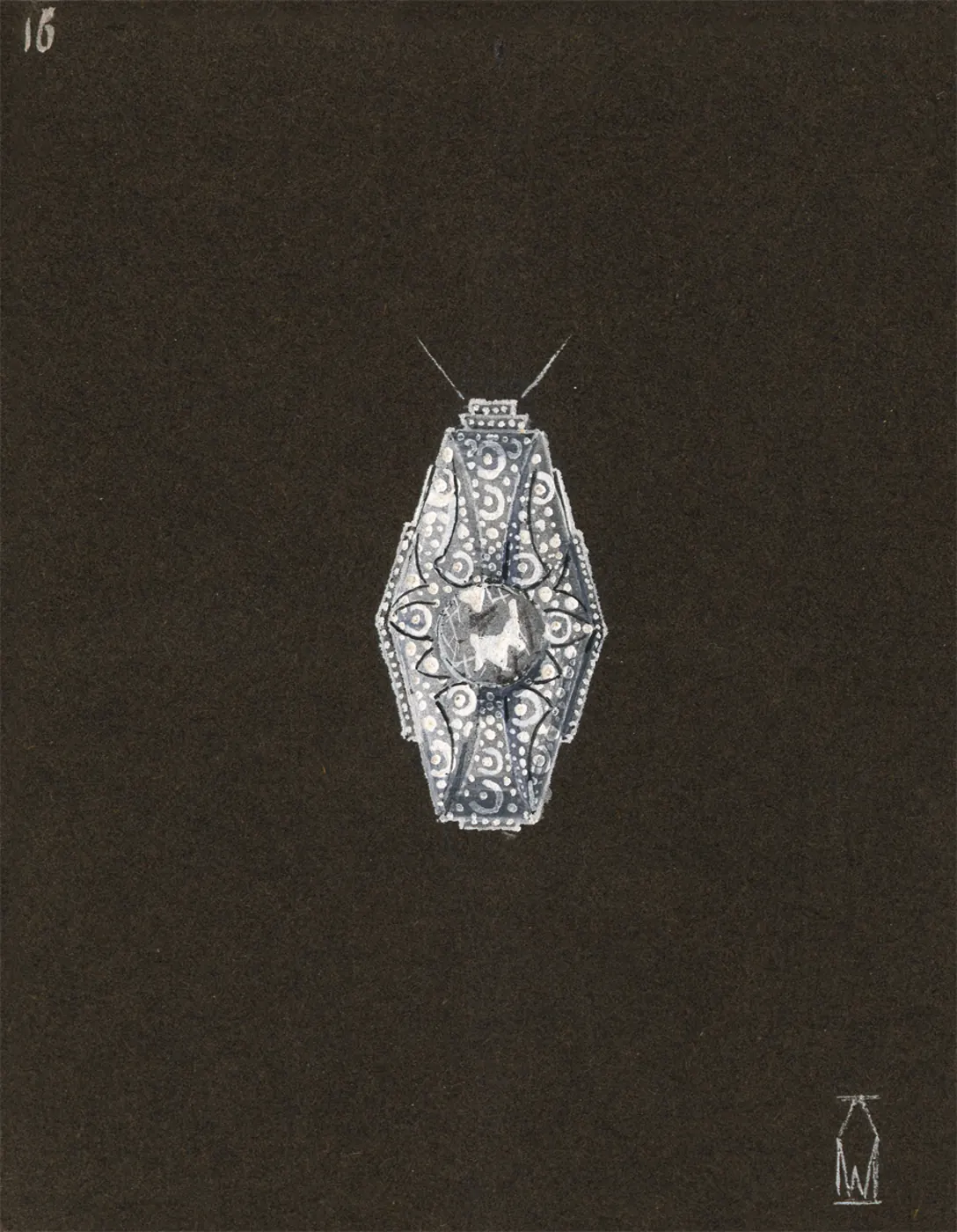
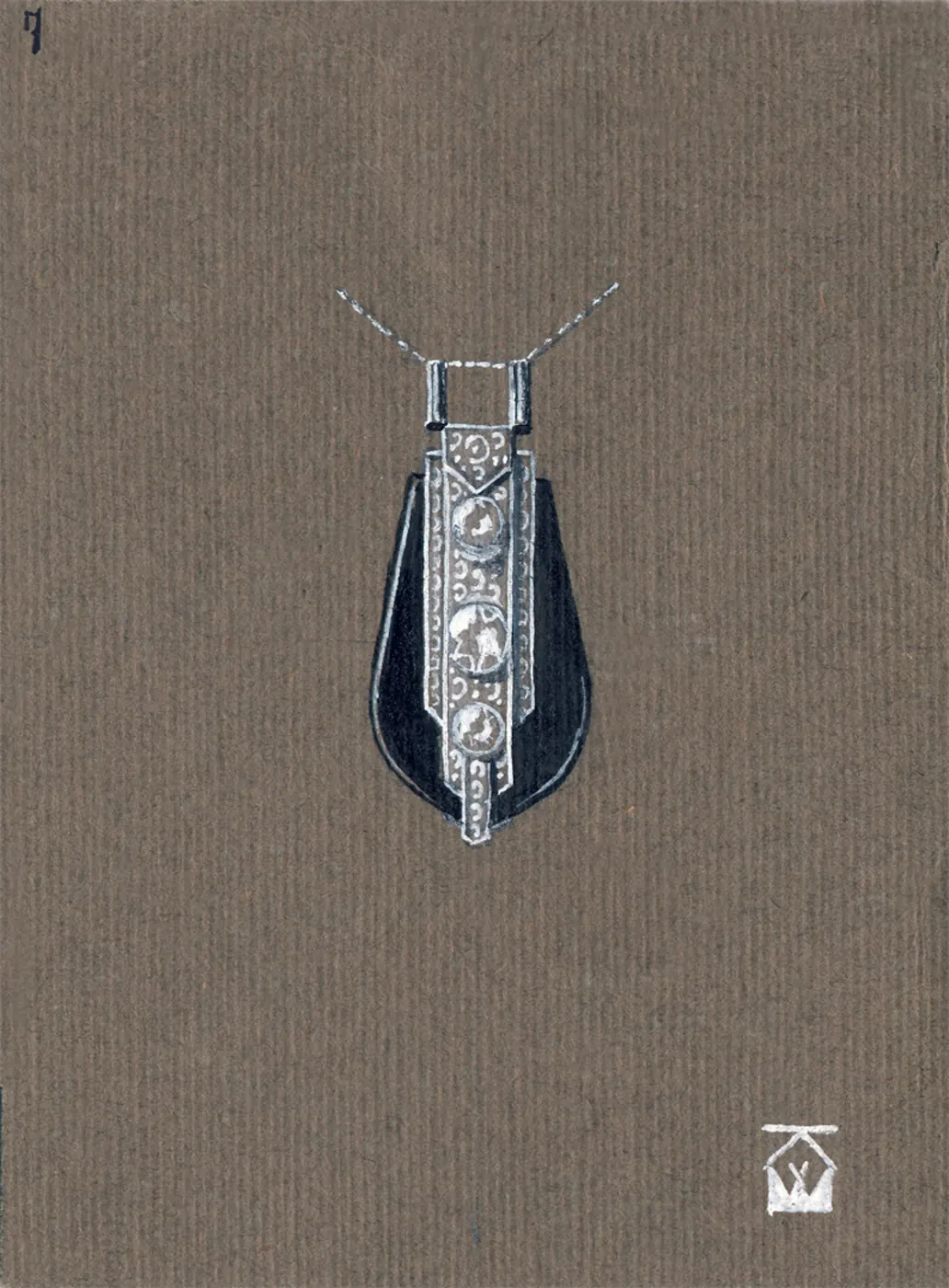
Before picking up a brush, Kees van Willigen drew jewellery. Trained in Hanau — the world capital of jewellery — he mastered the art of precious metal, stones and shadows on black paper.
Works
Selection · 1942 – 1985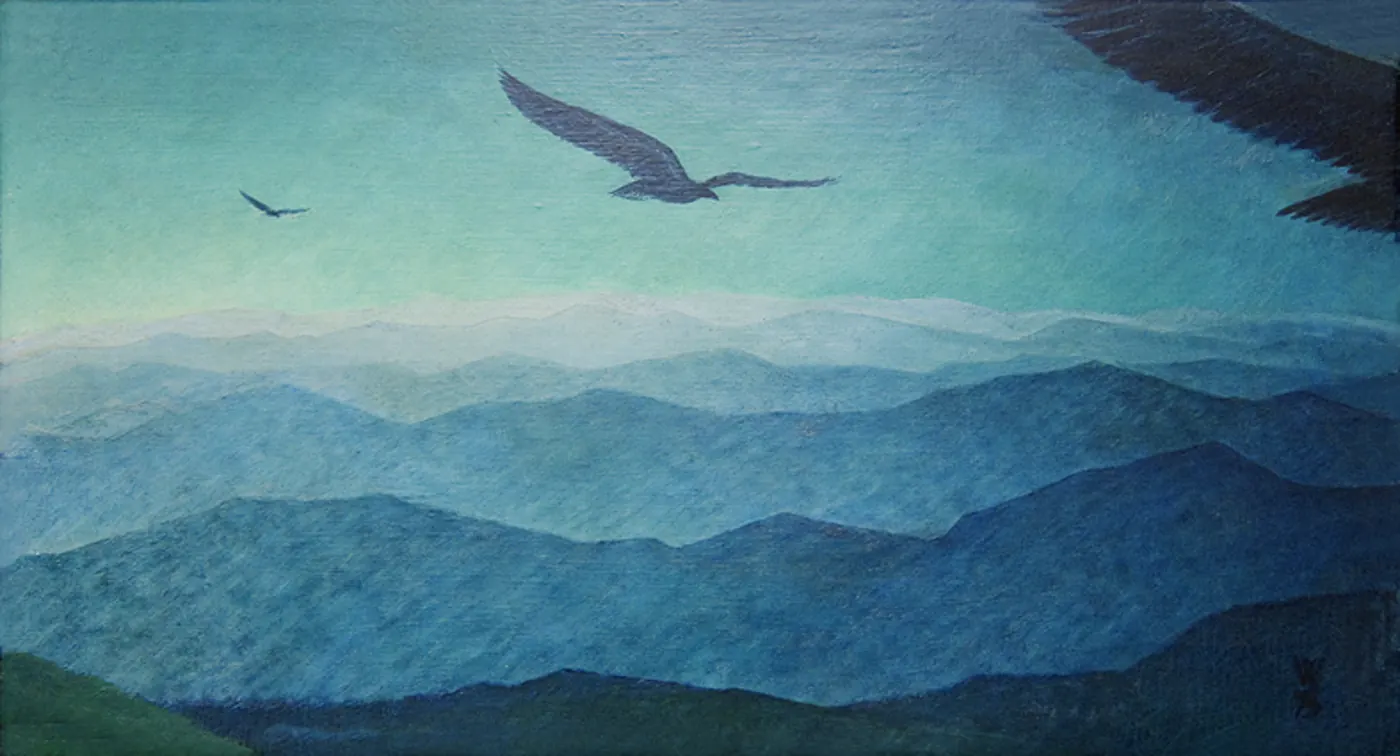
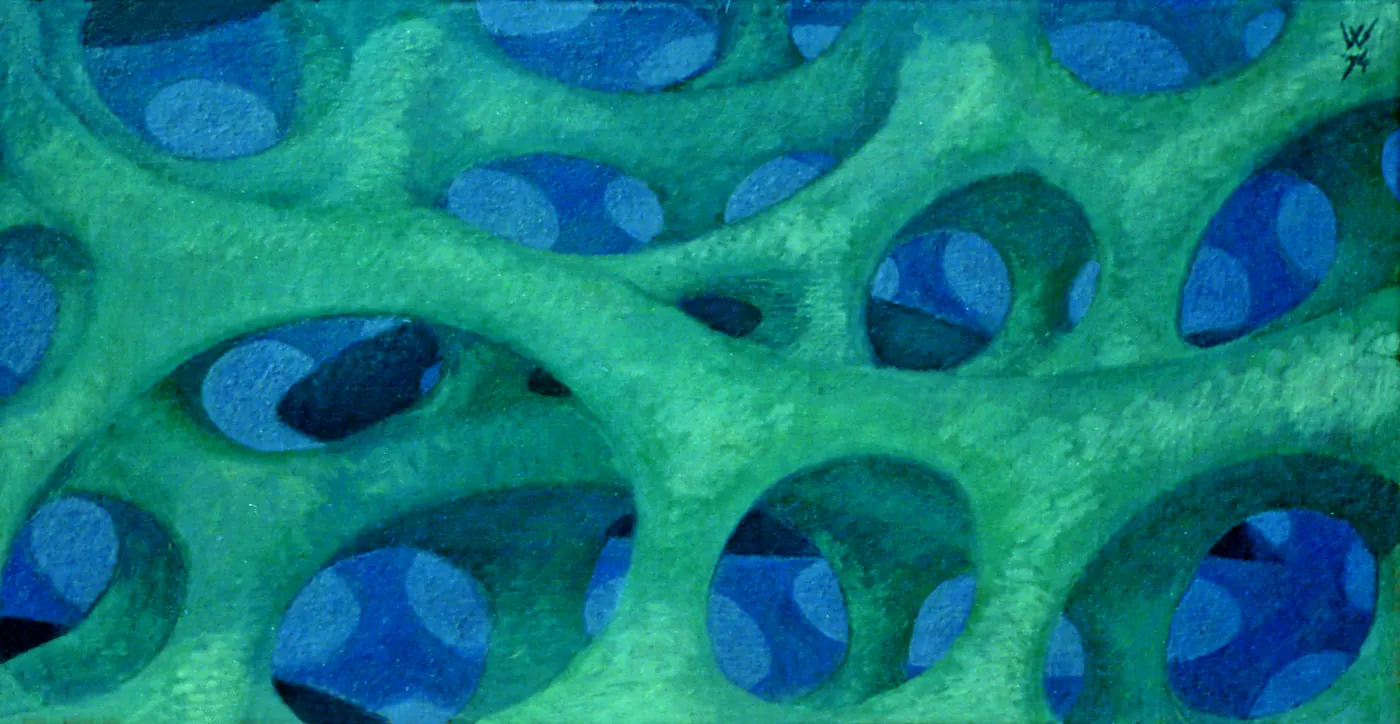
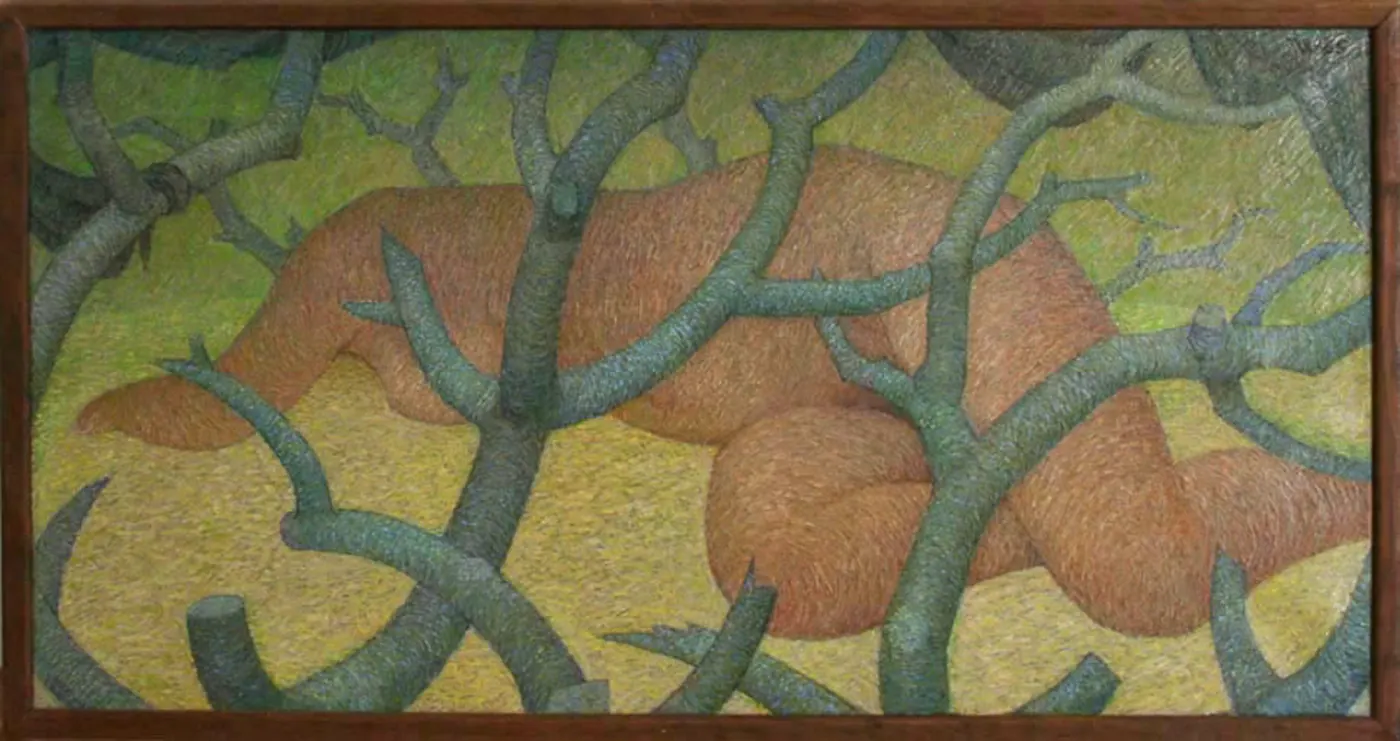
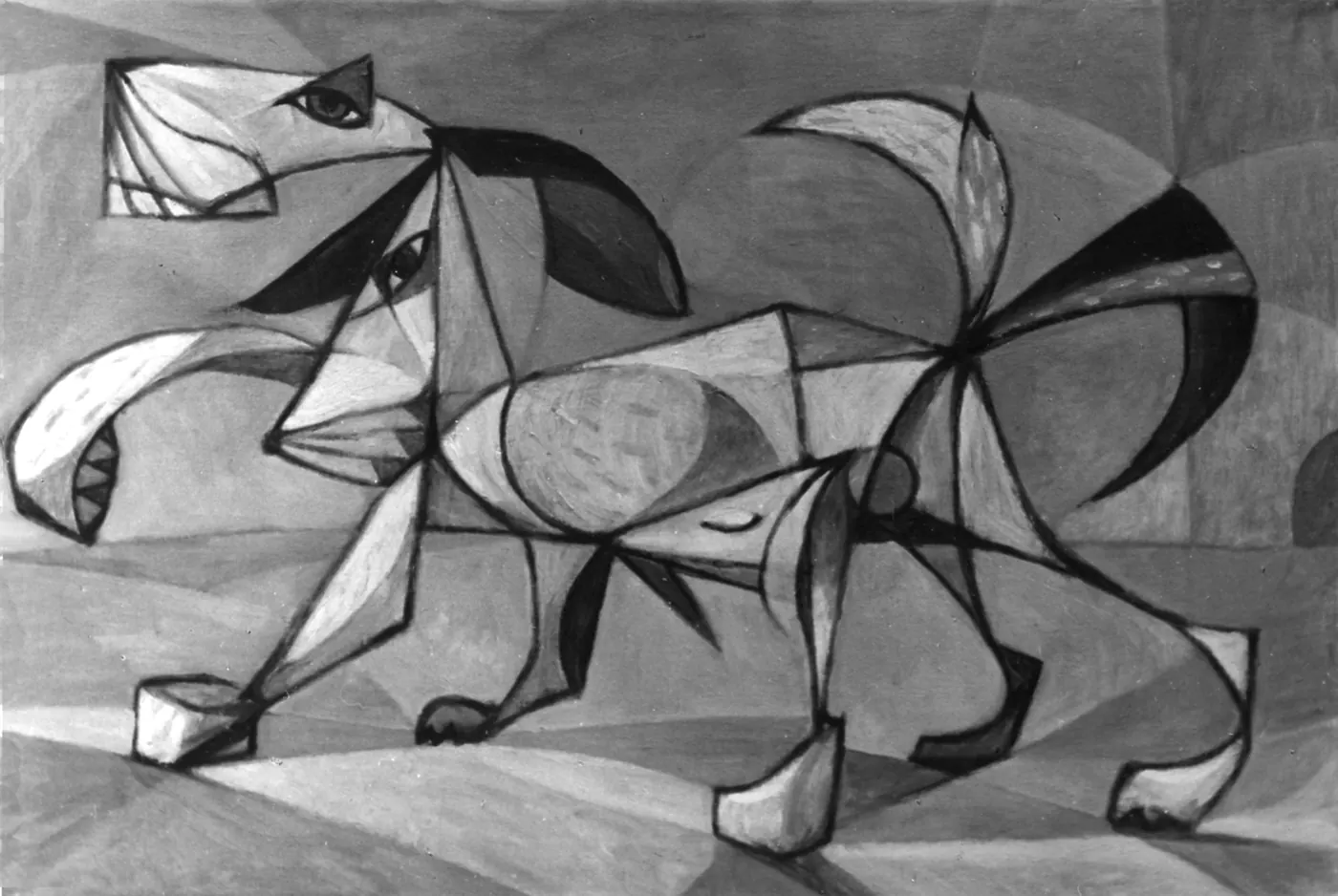
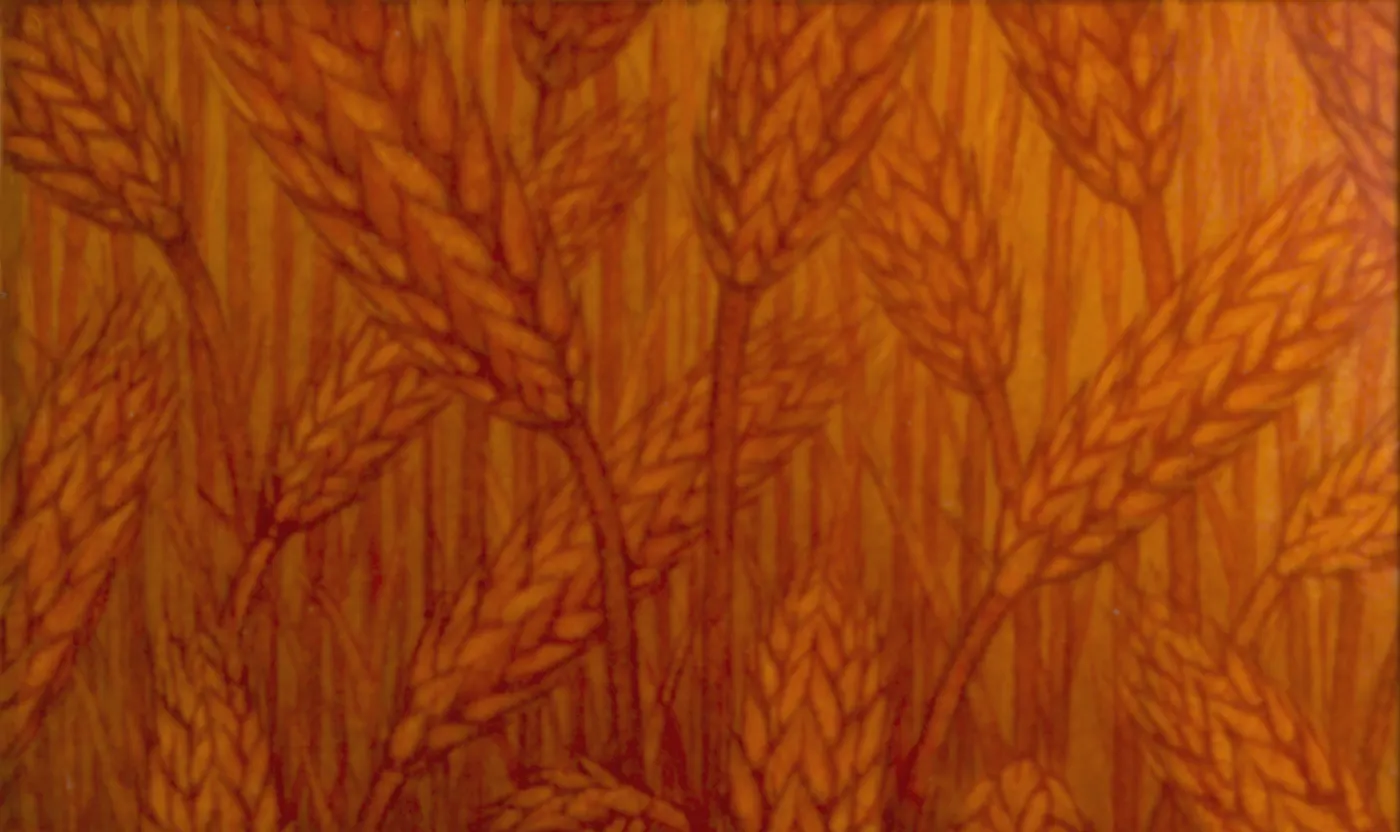
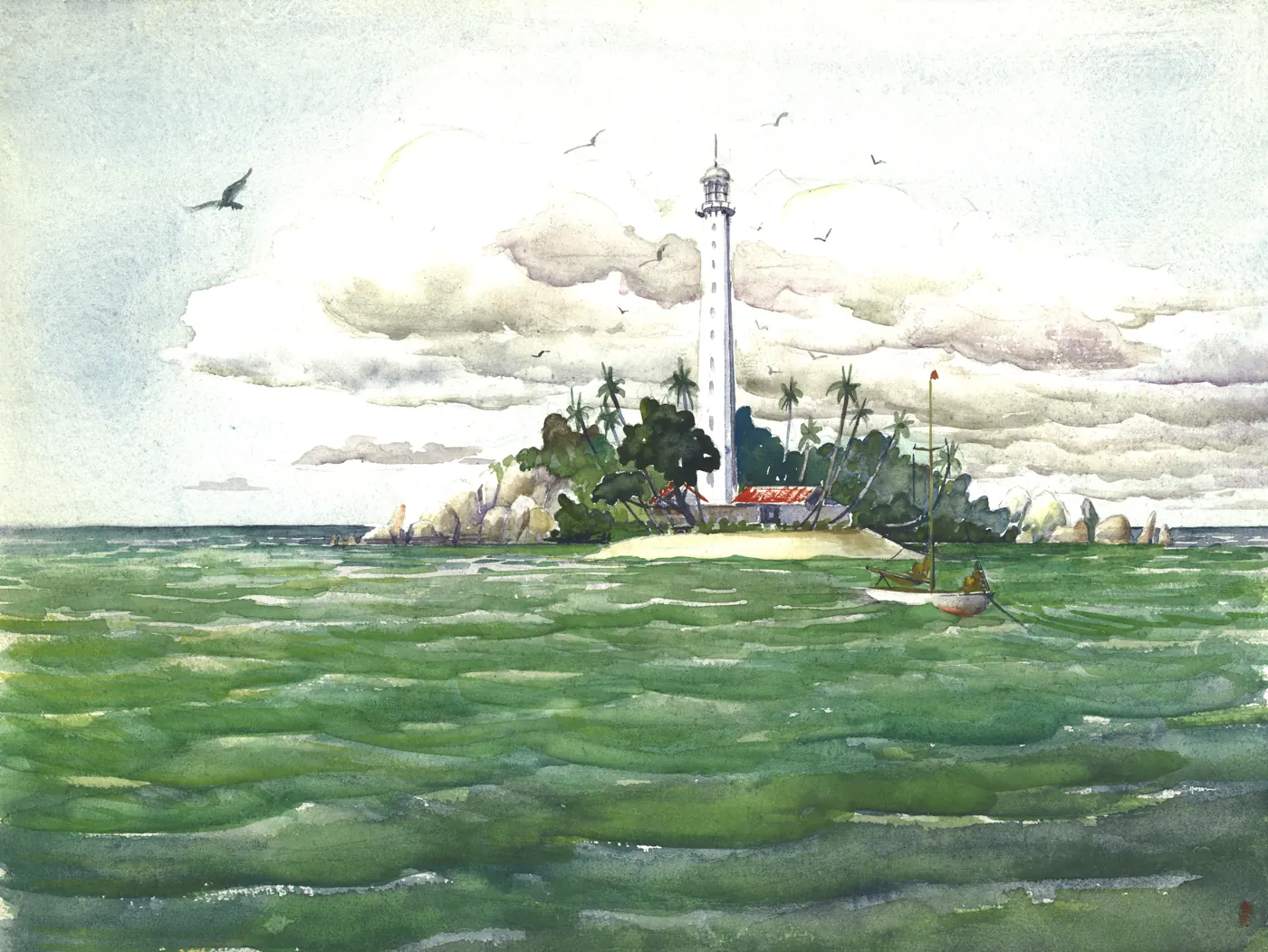
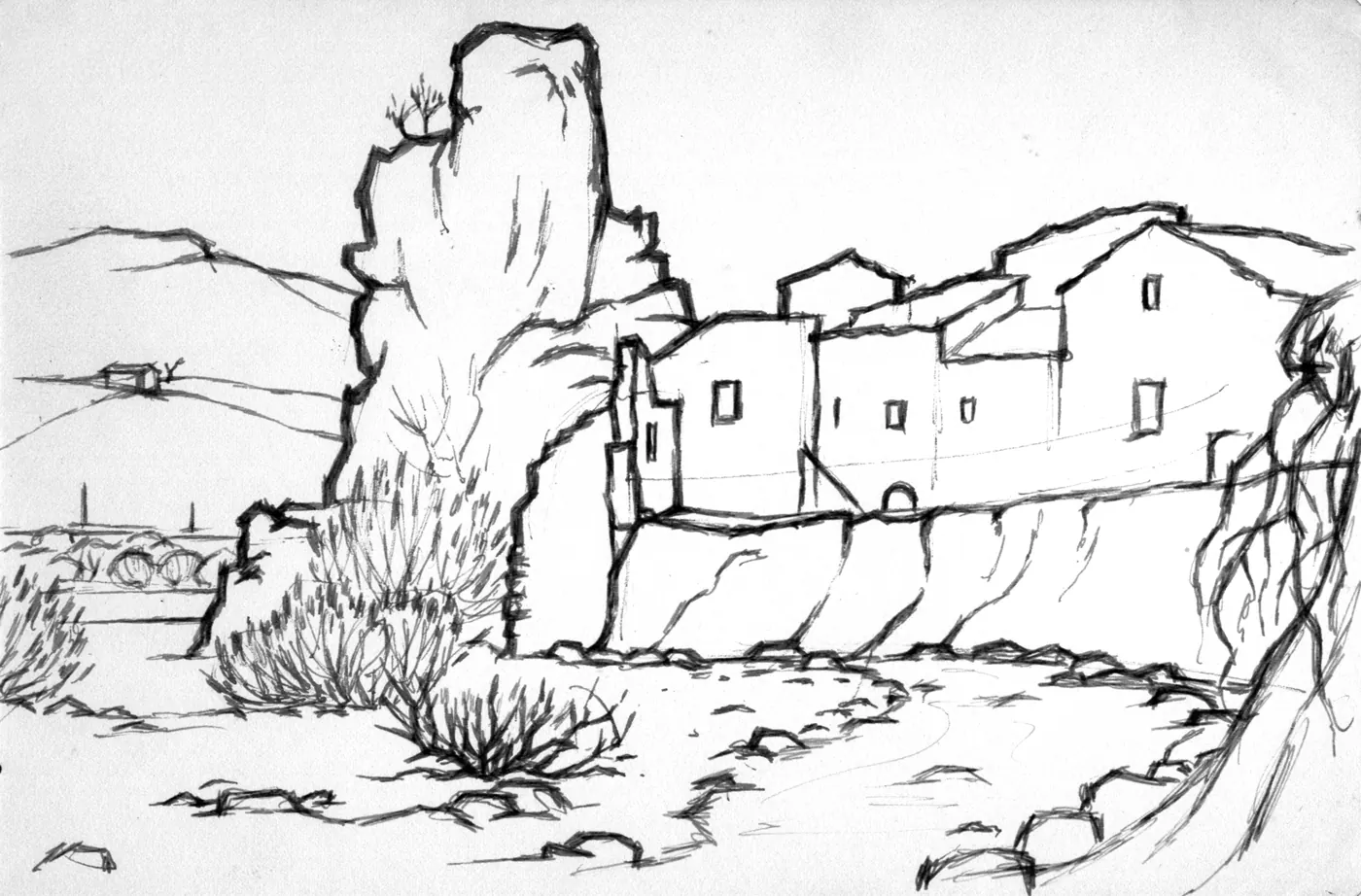
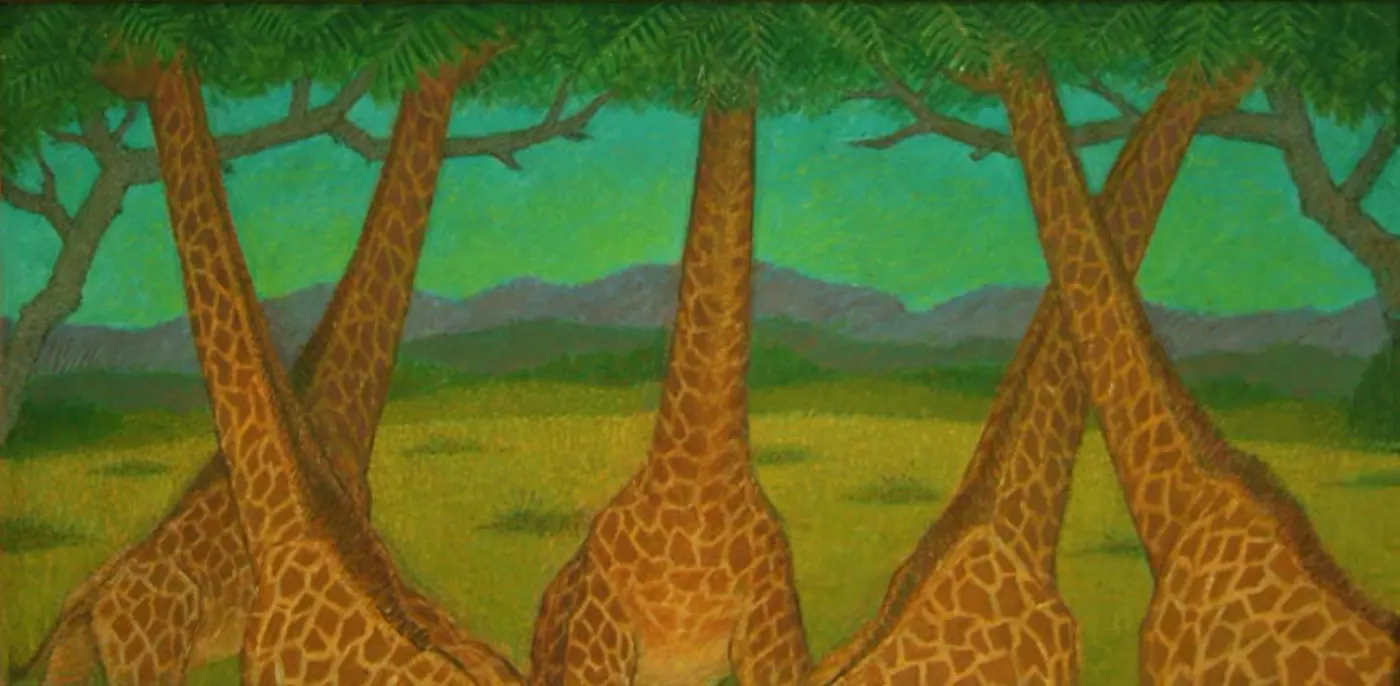
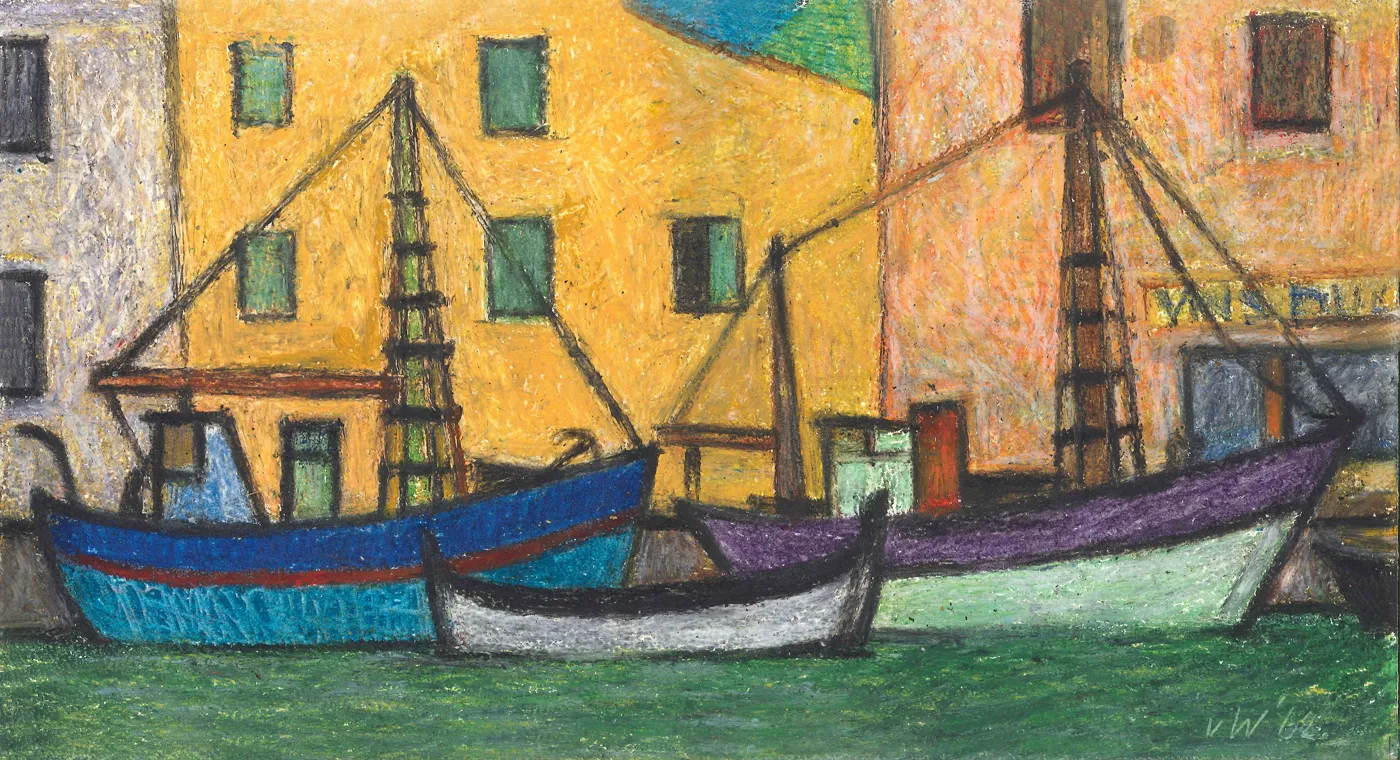
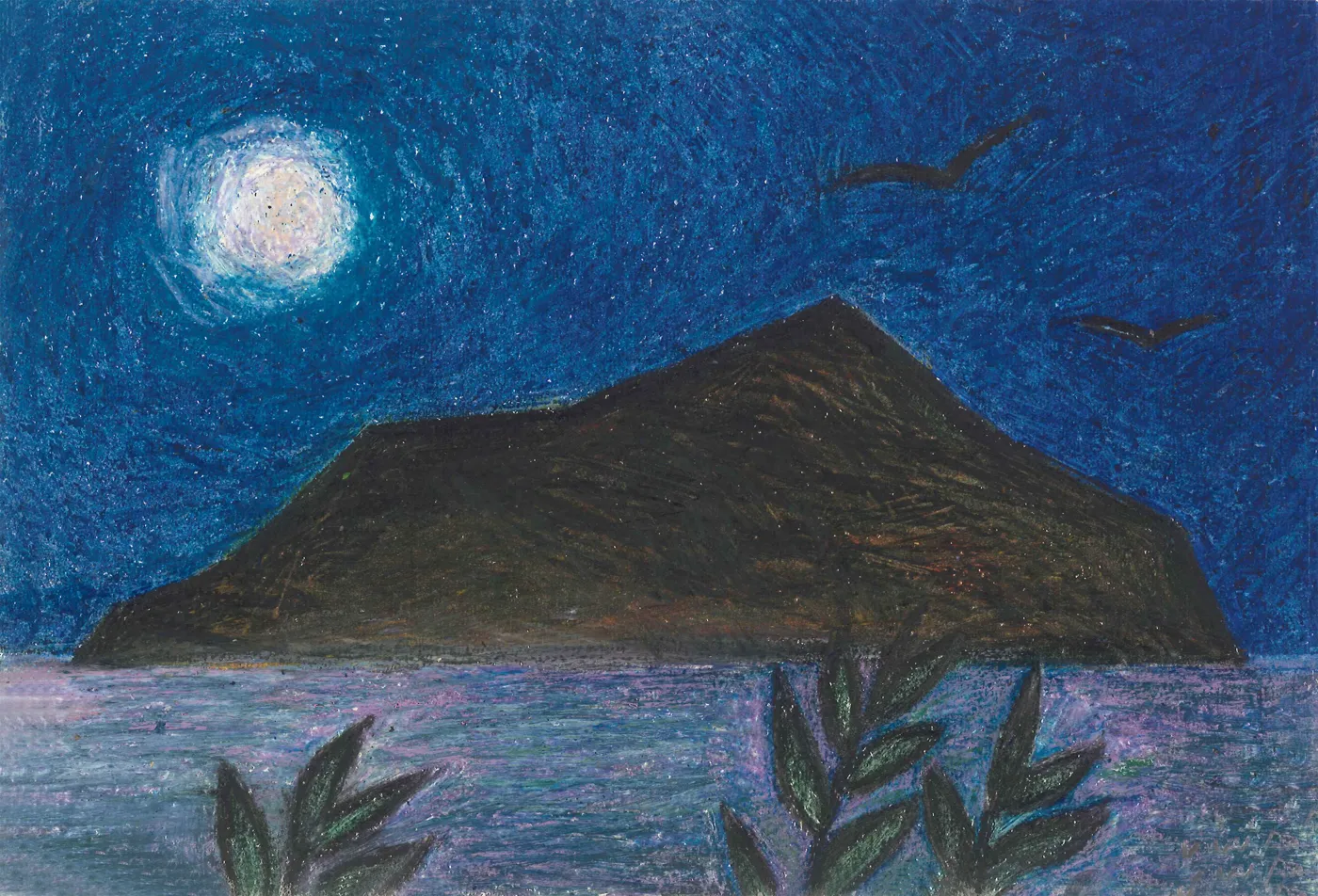
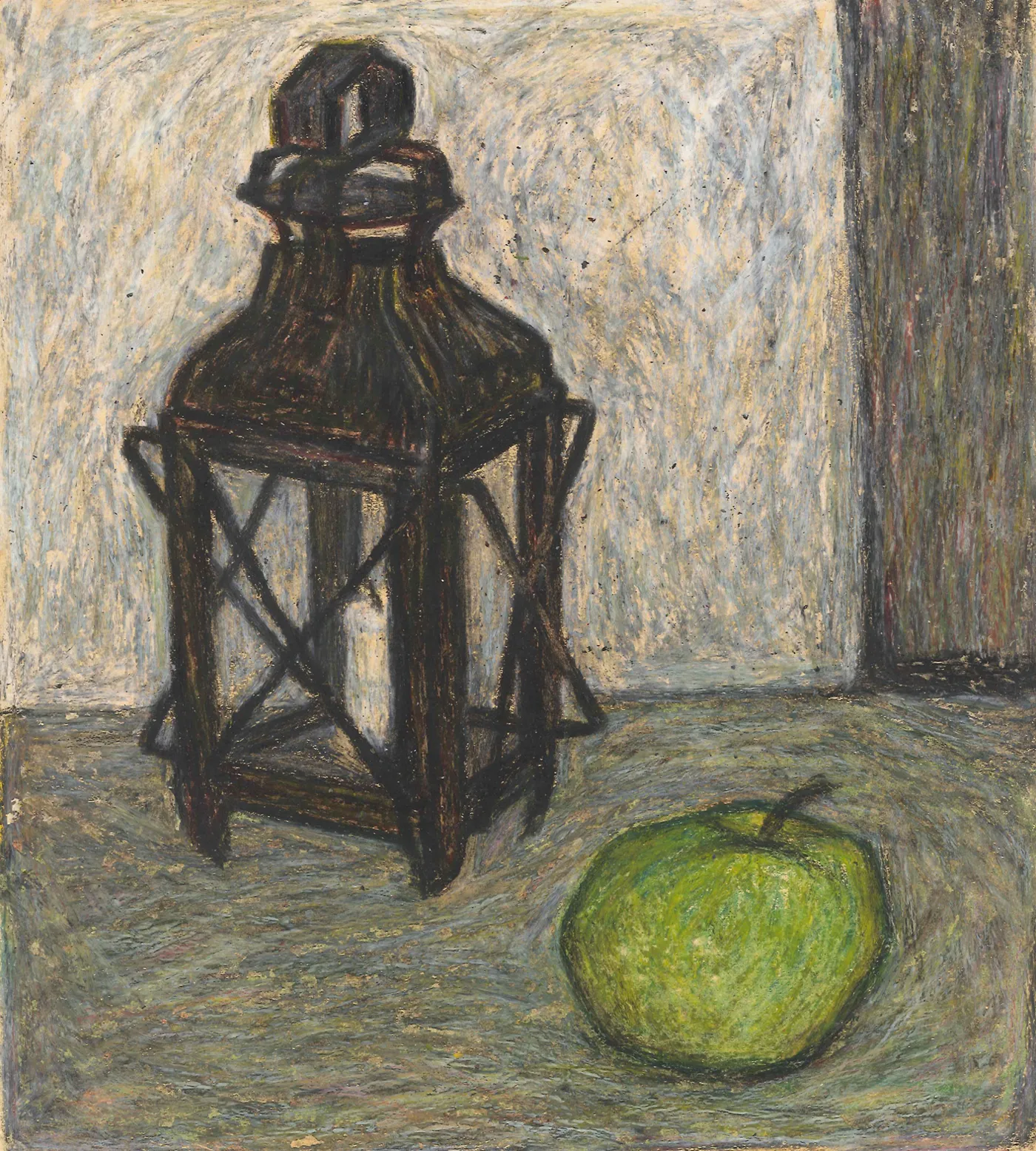
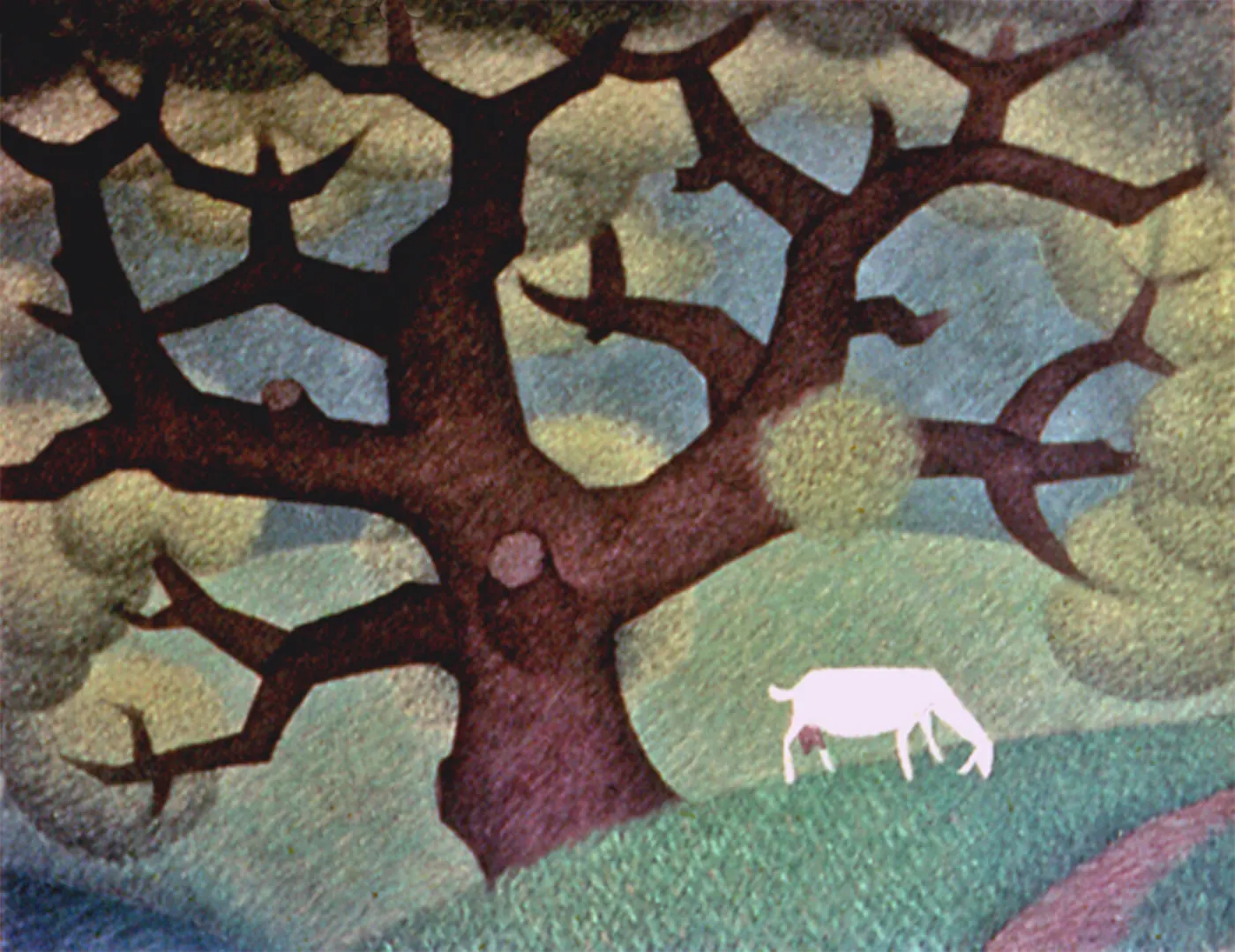
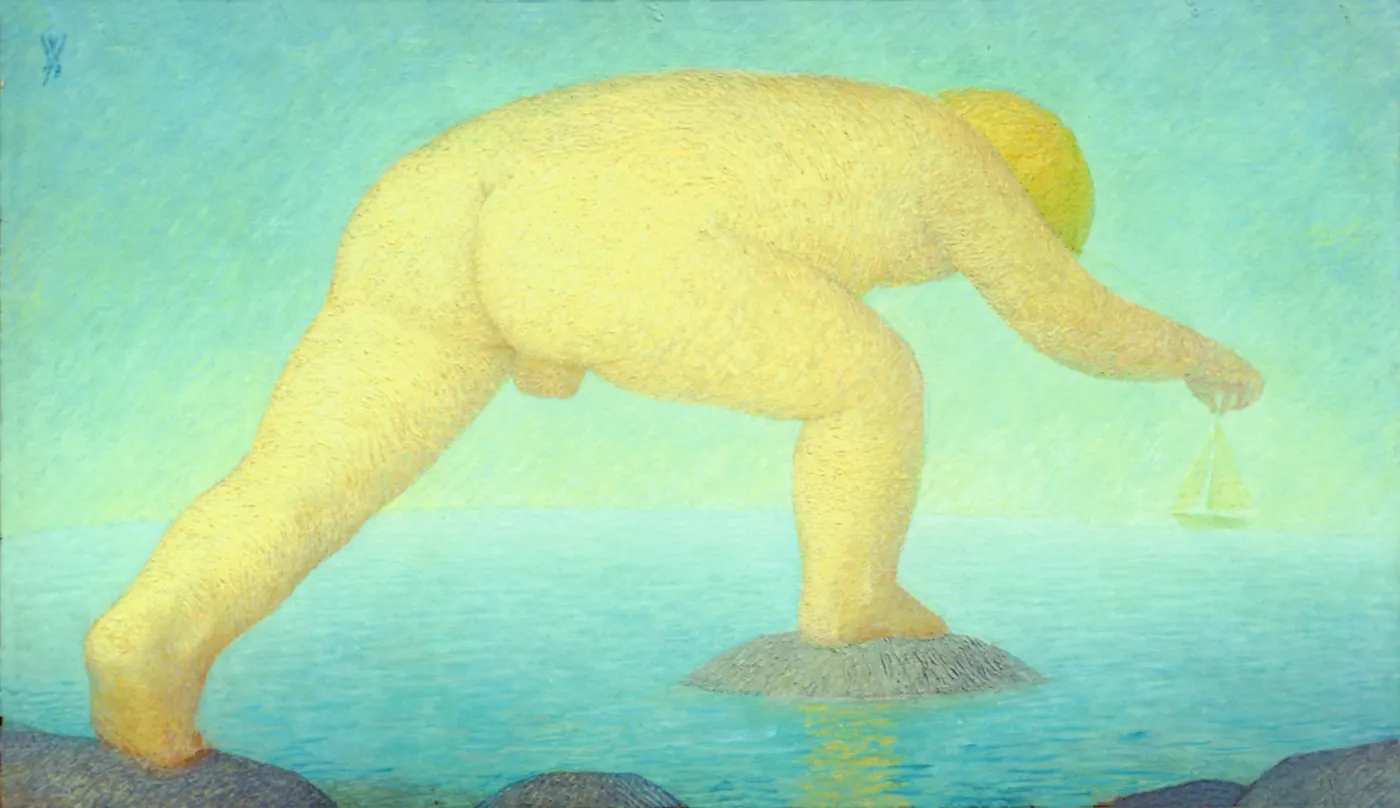
A pictorial work more than painted — crafted. Complex, inimitable colours, far from the world of screens.
van Willigen Gallery — retrospective catalogue
Timeline
1950 – 1960 · Ardèche · The Hague
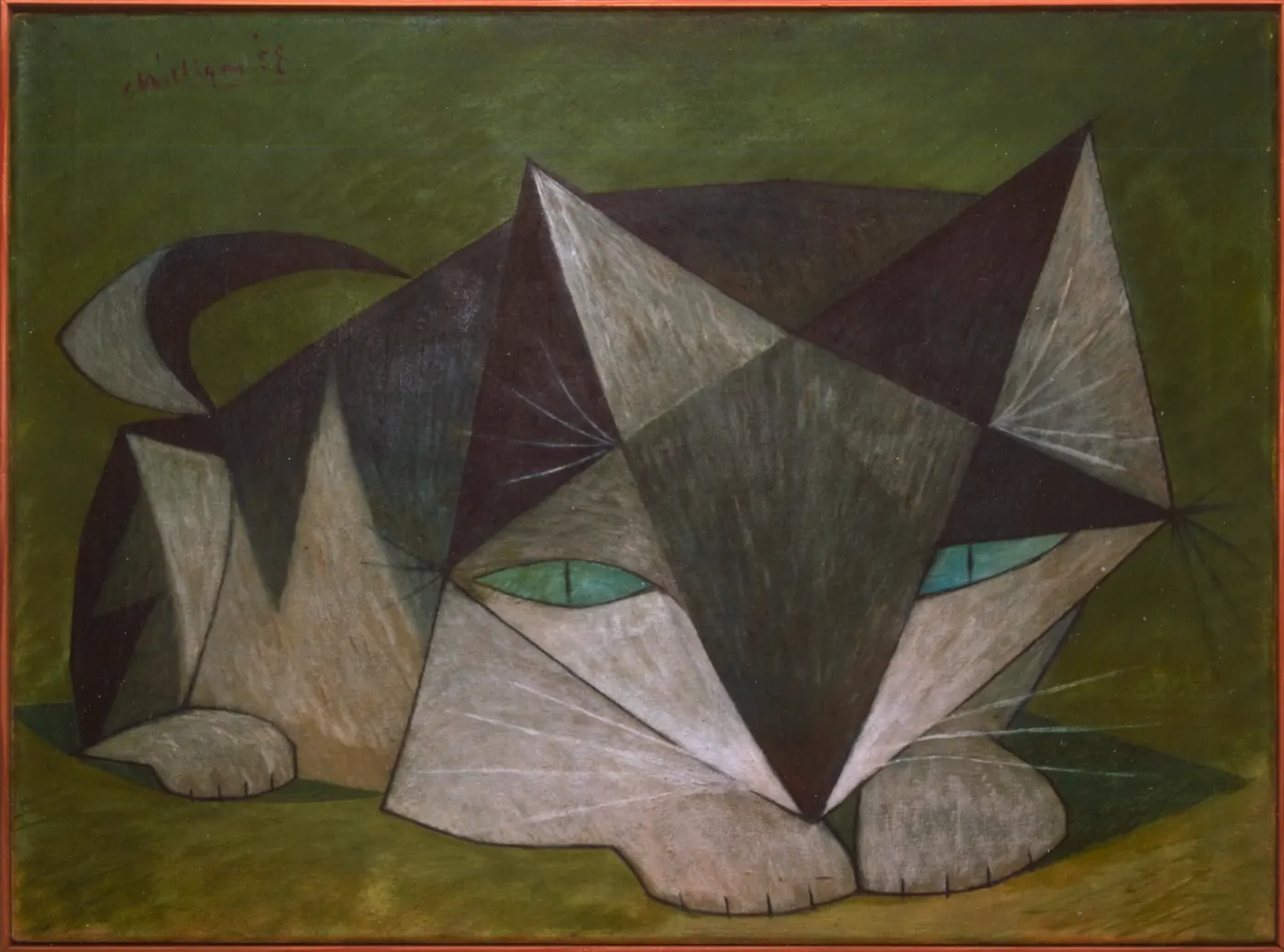
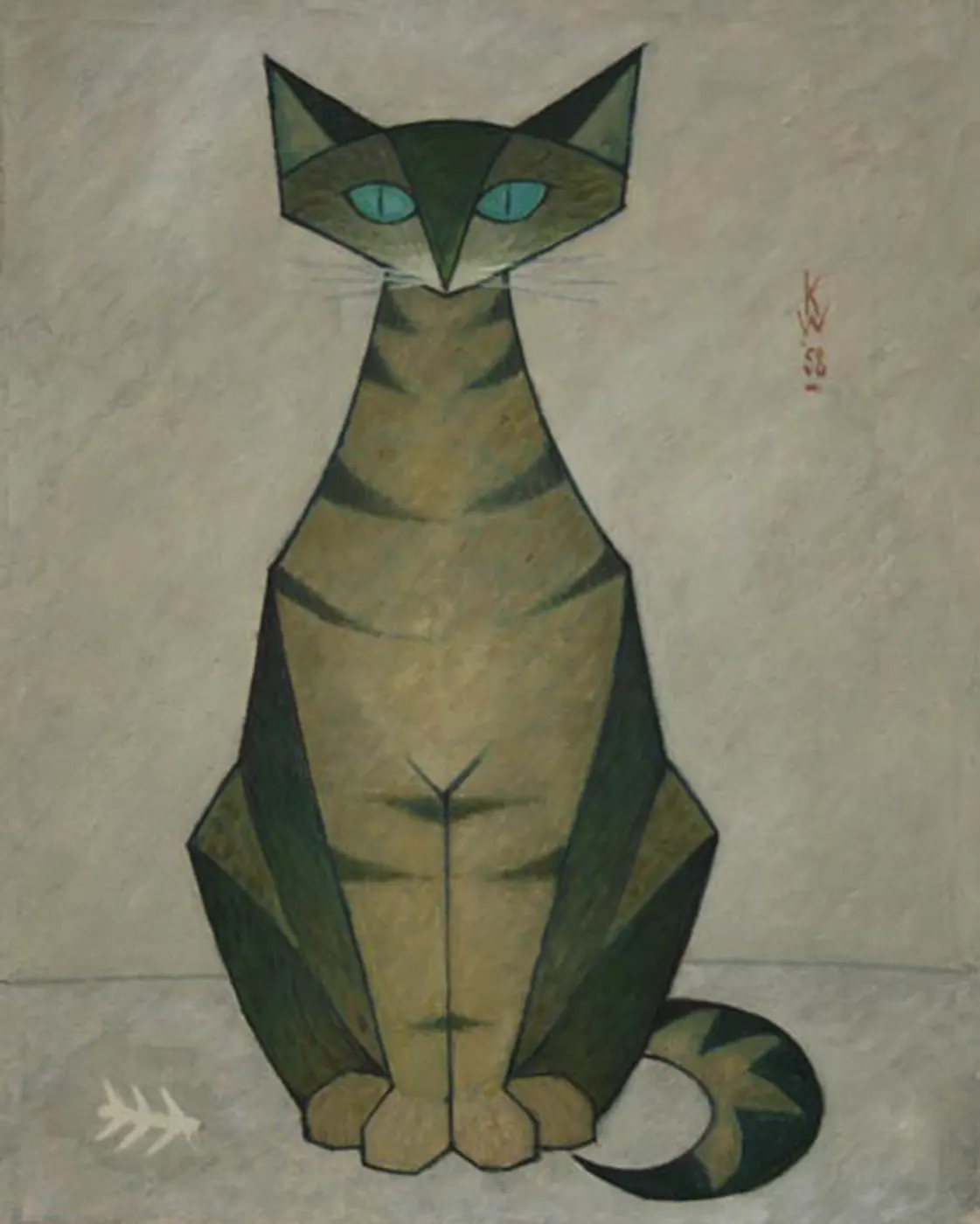
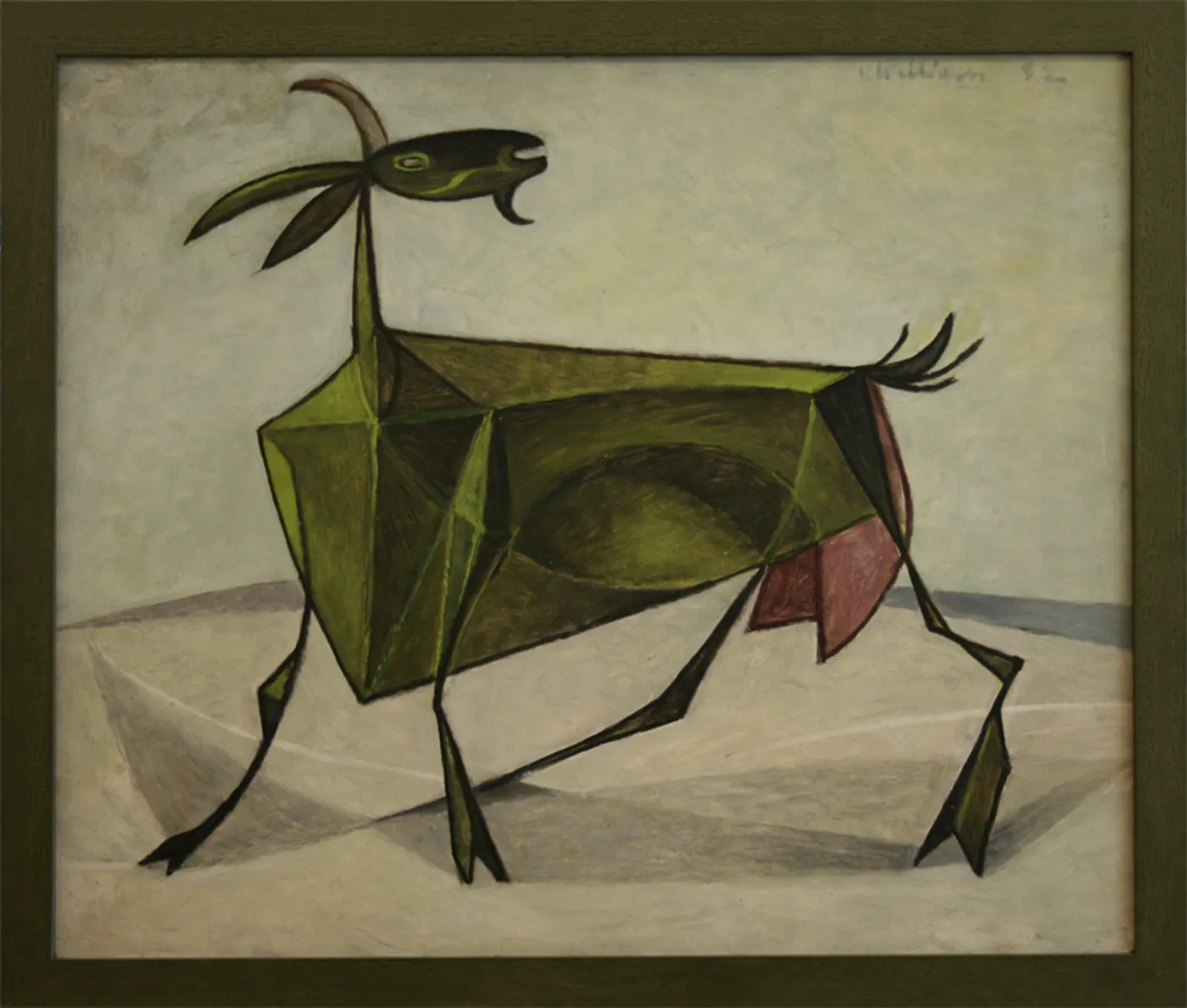
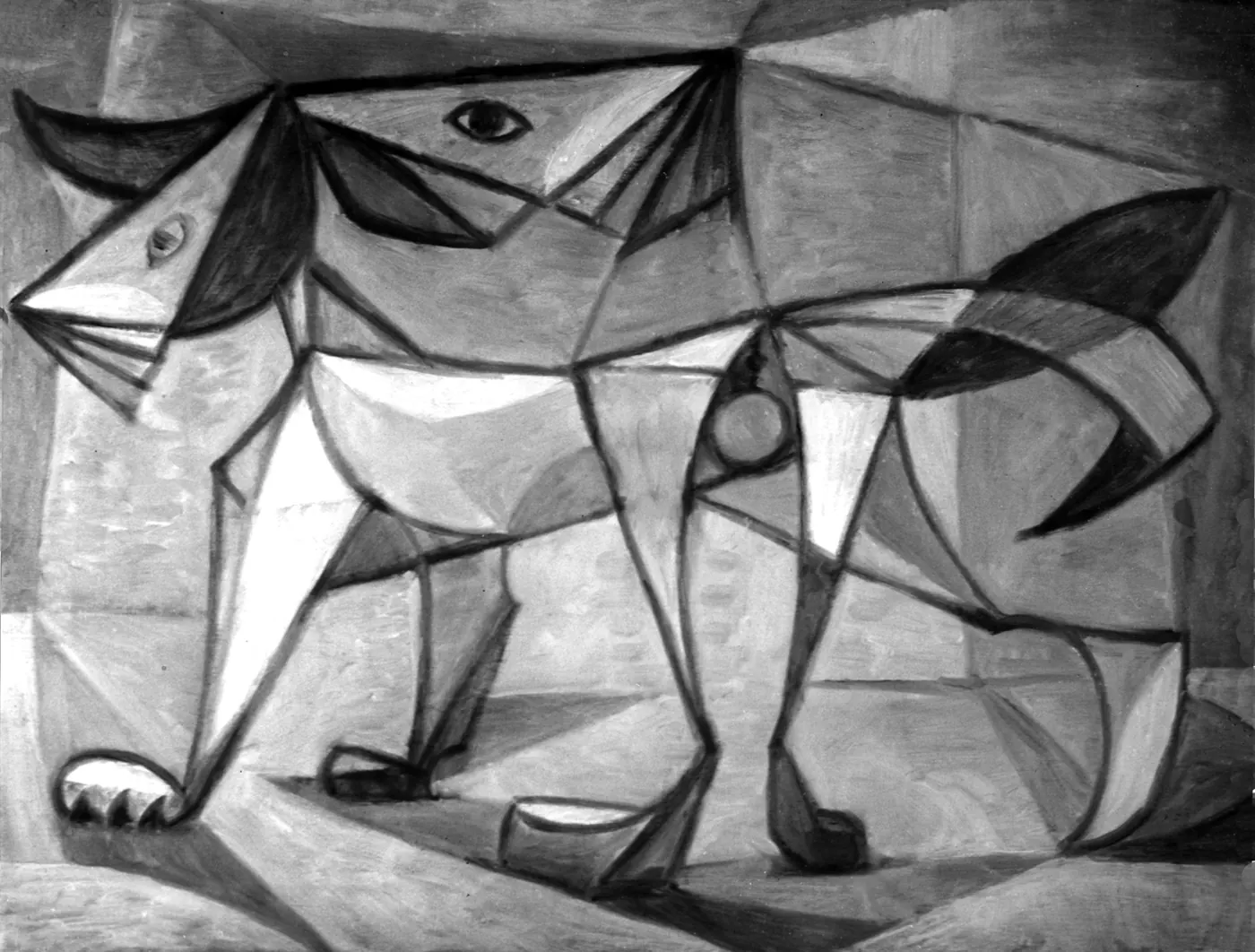
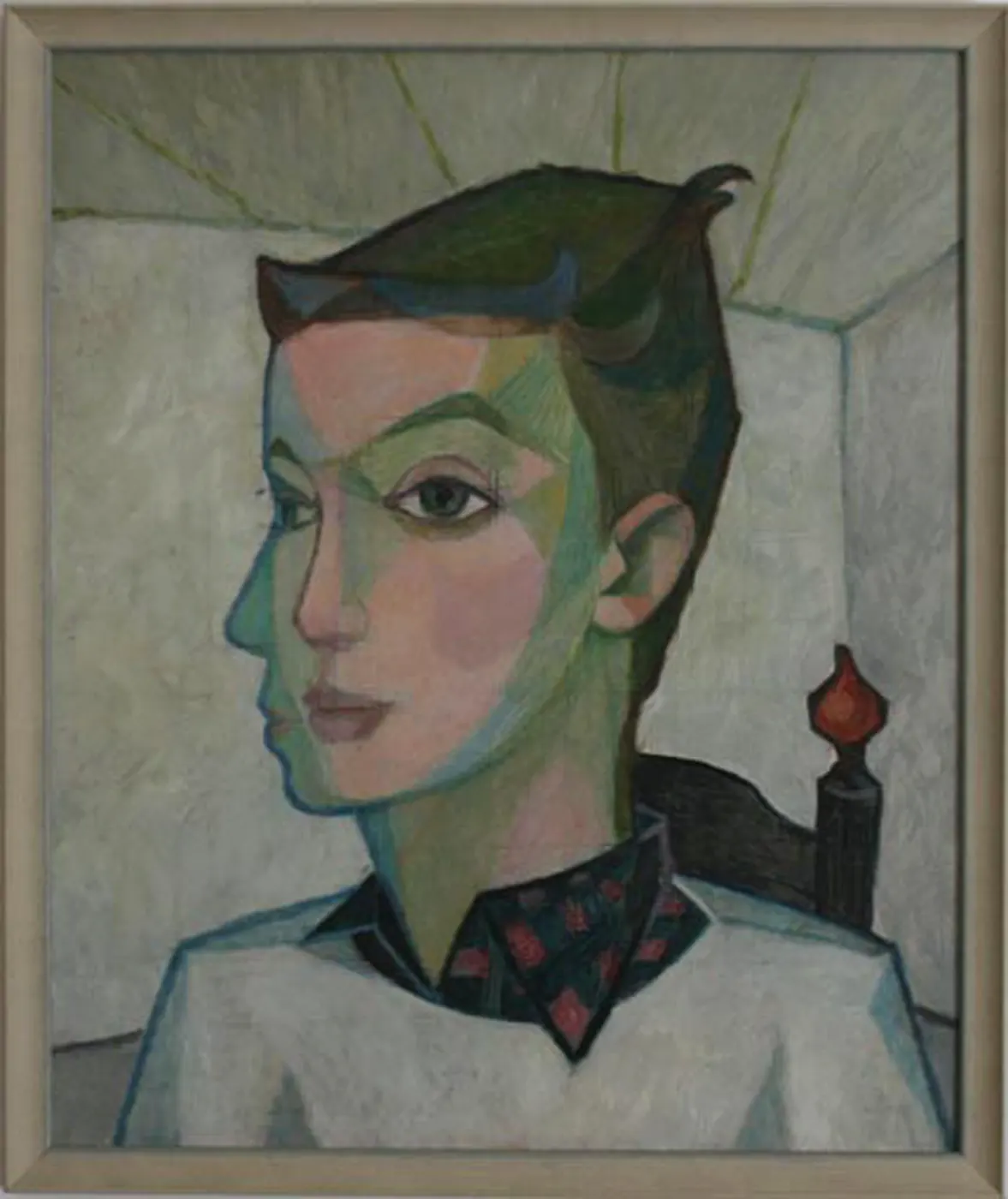
The cubist period
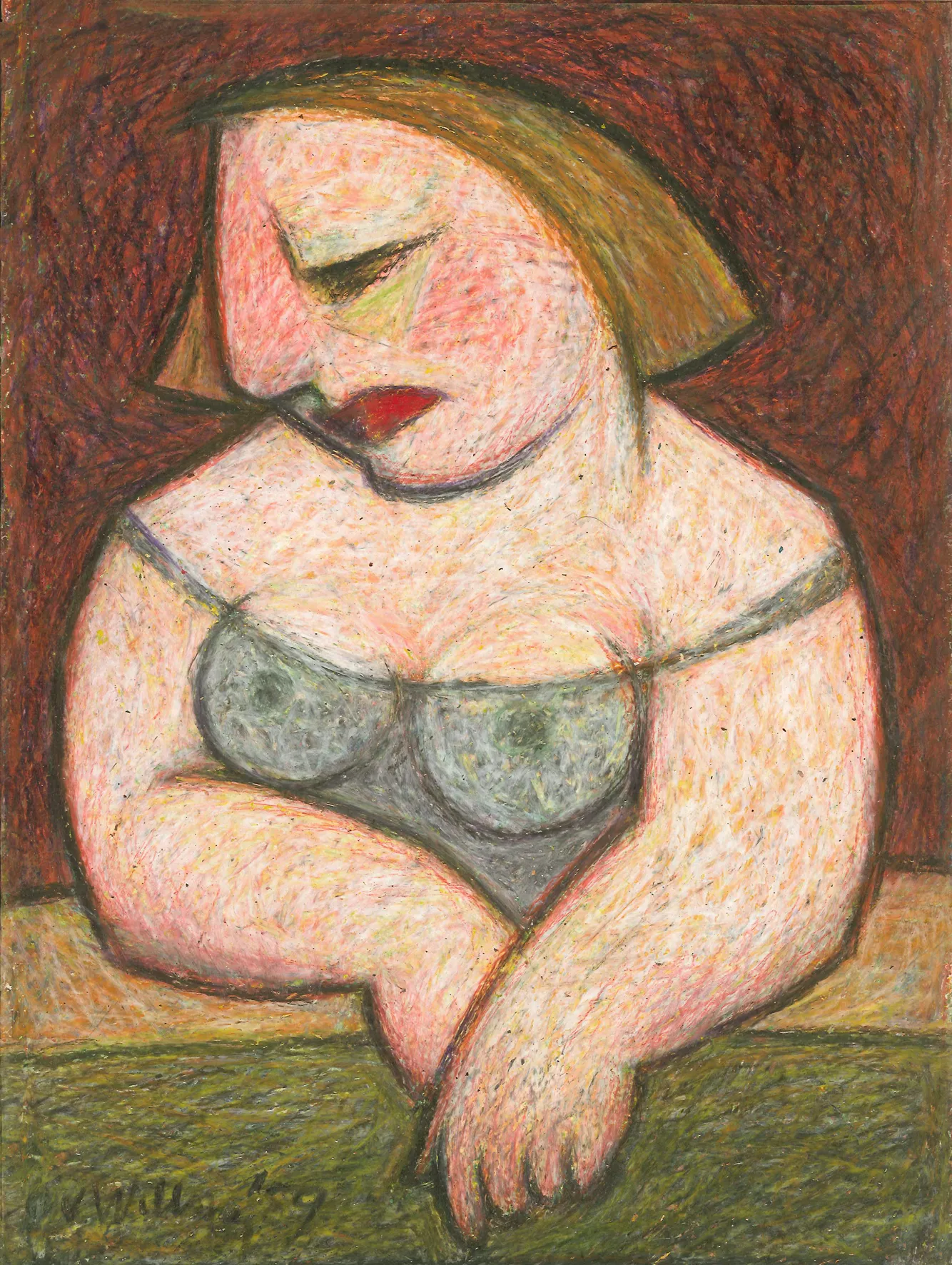
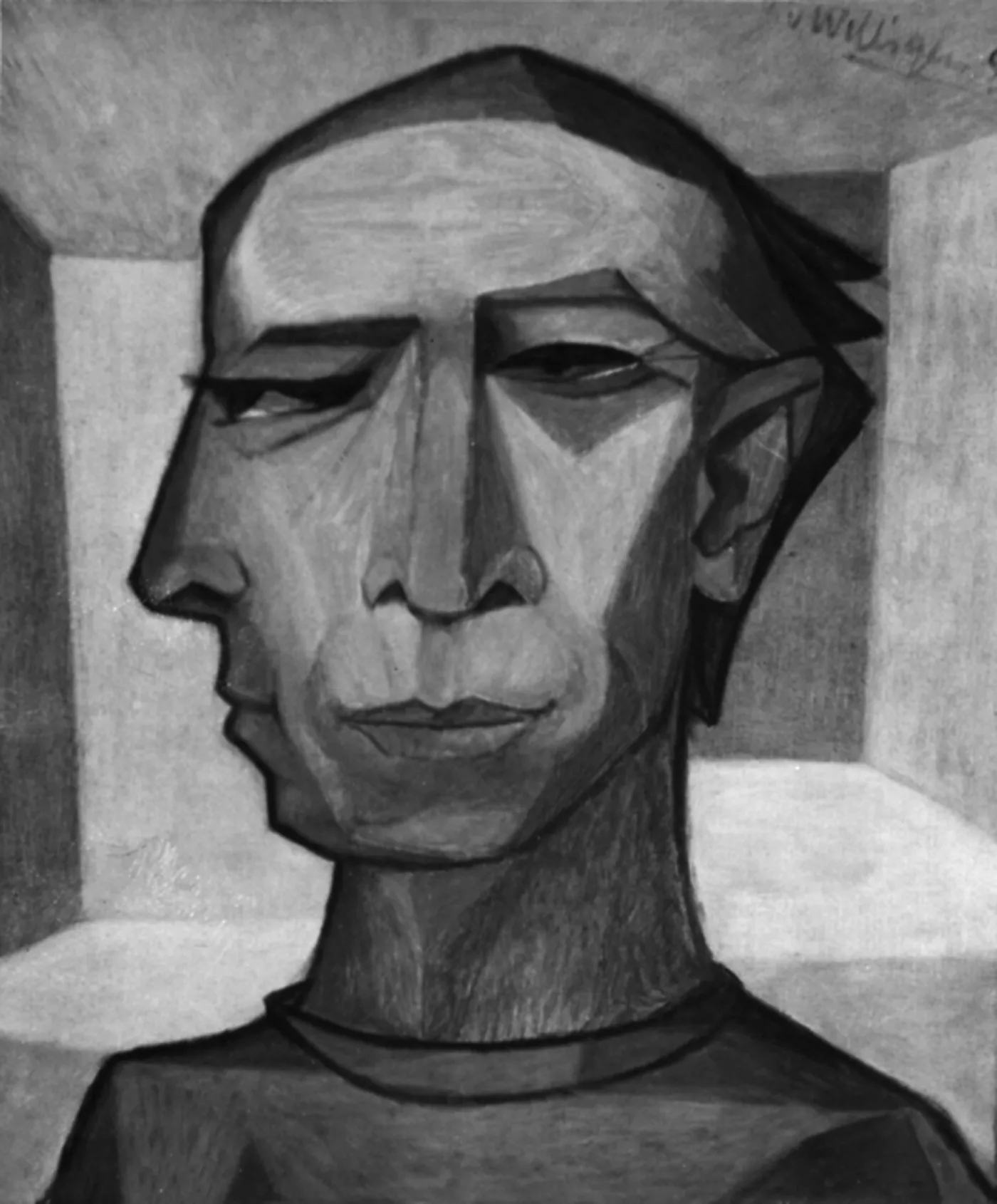
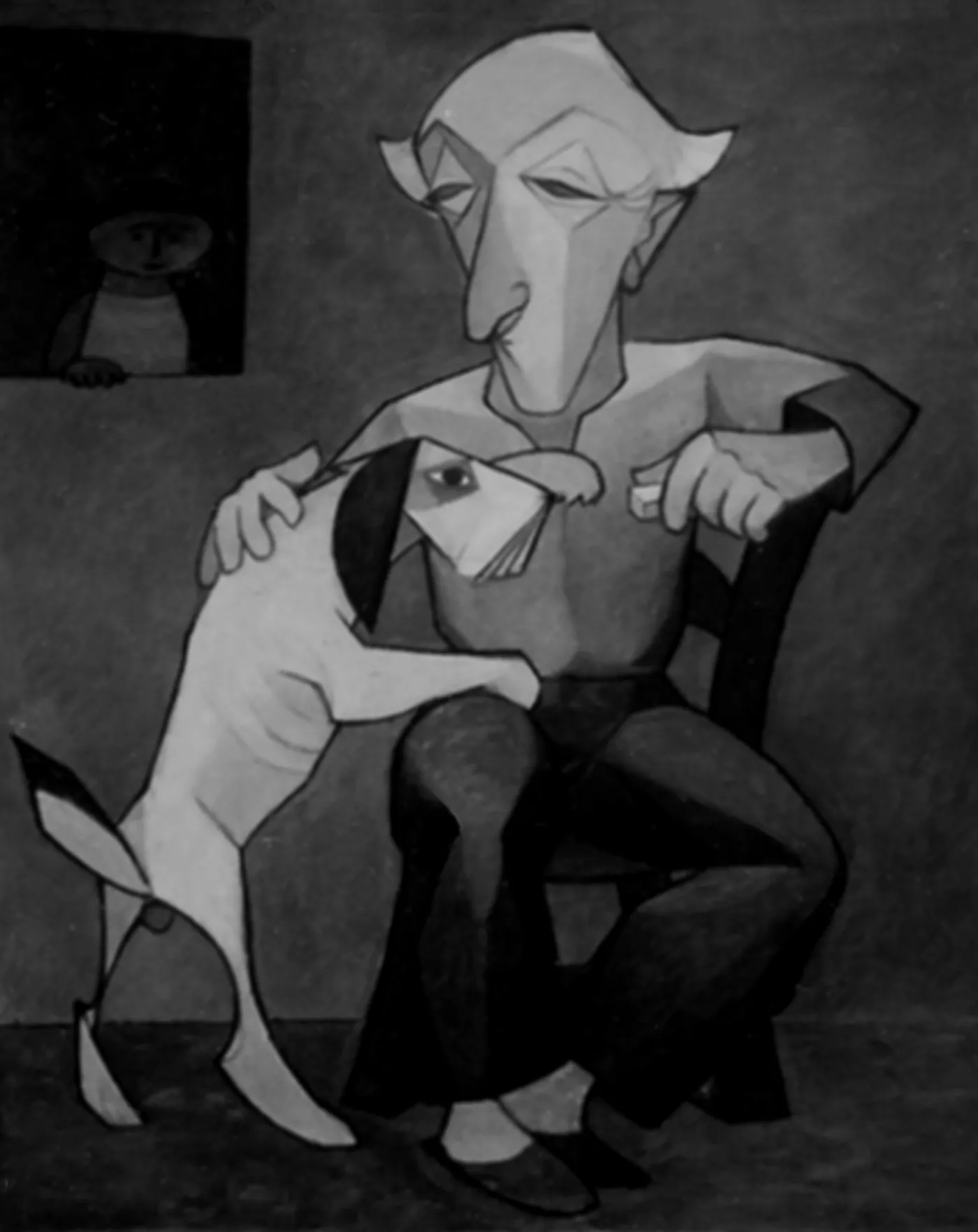
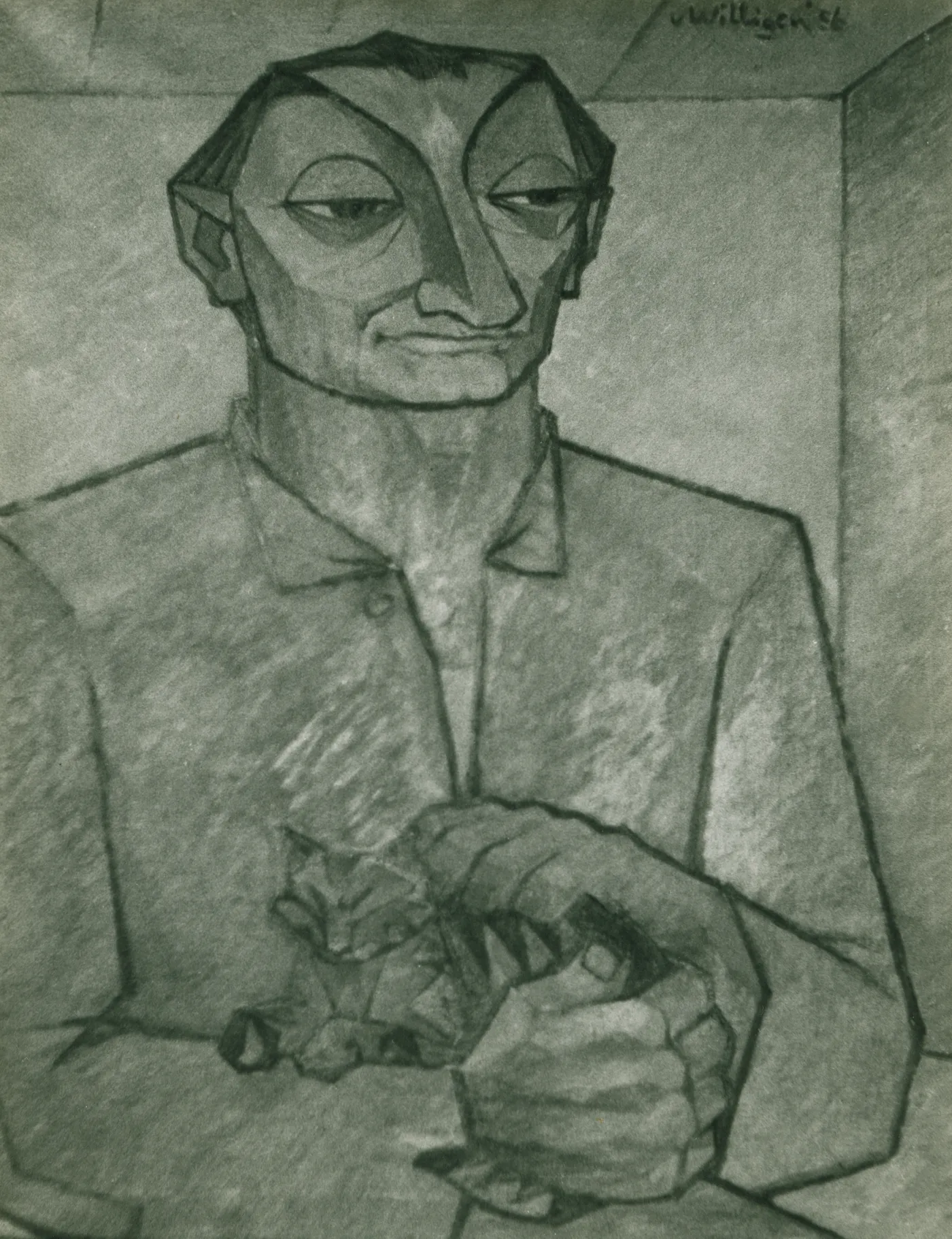
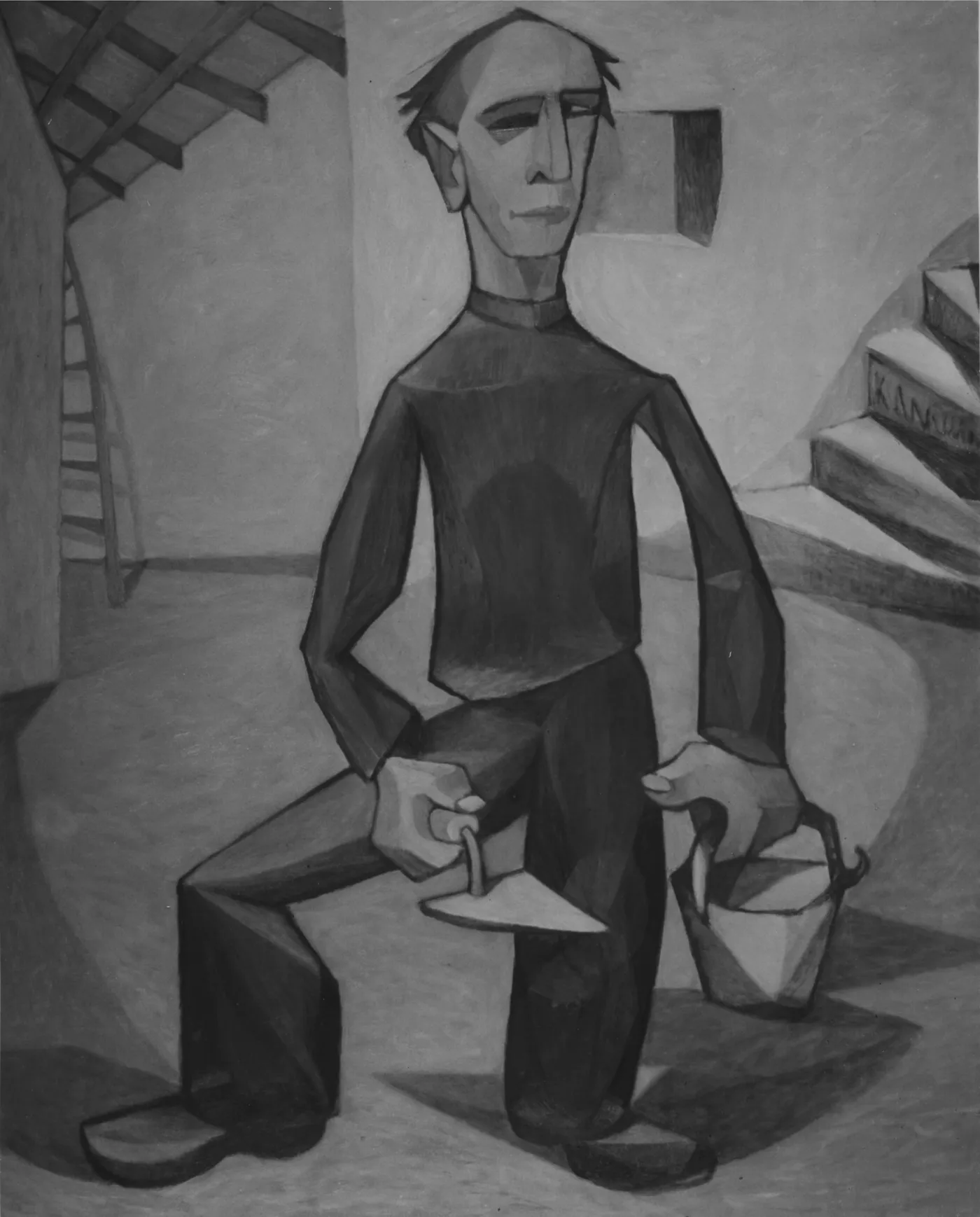
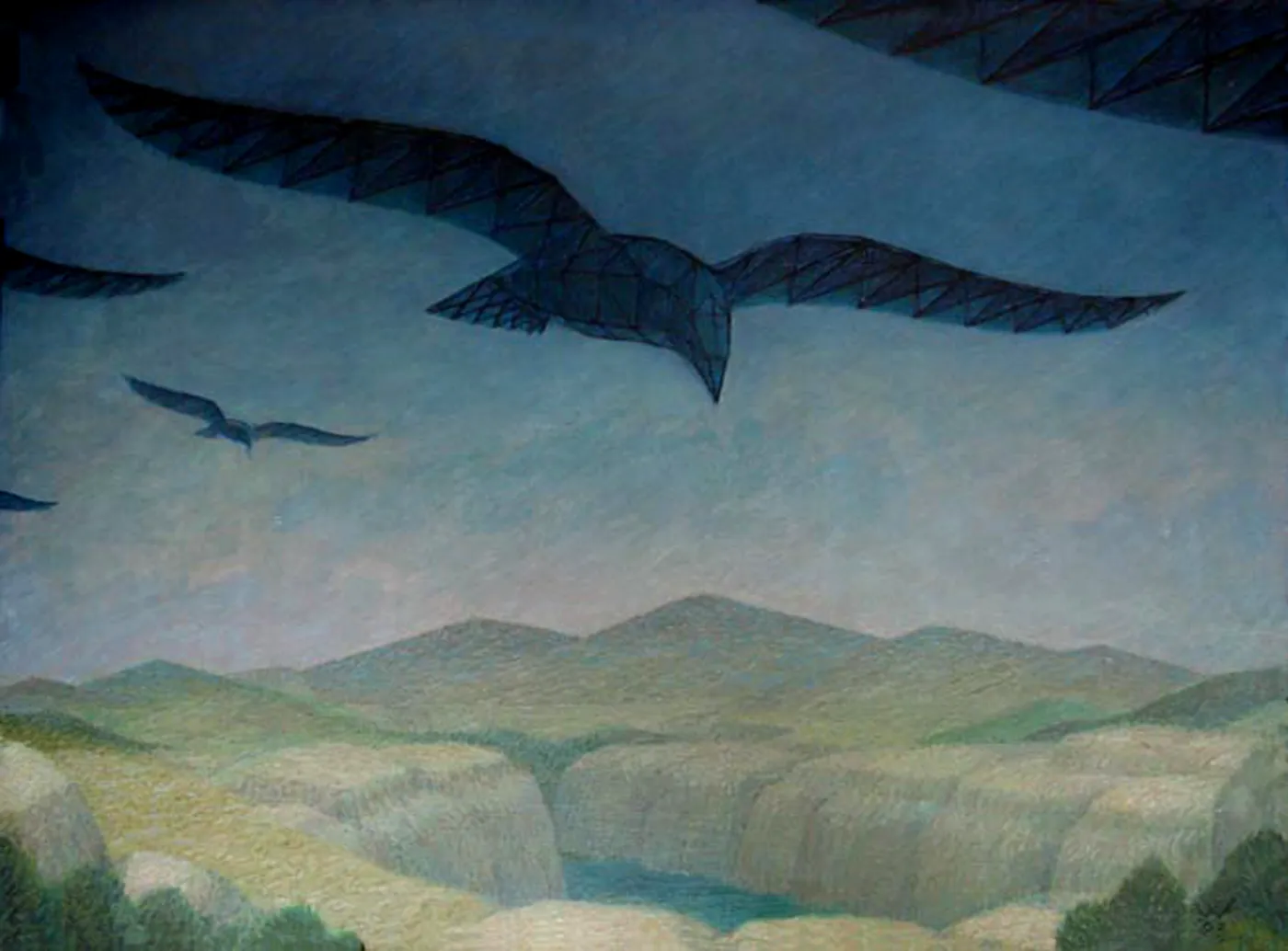
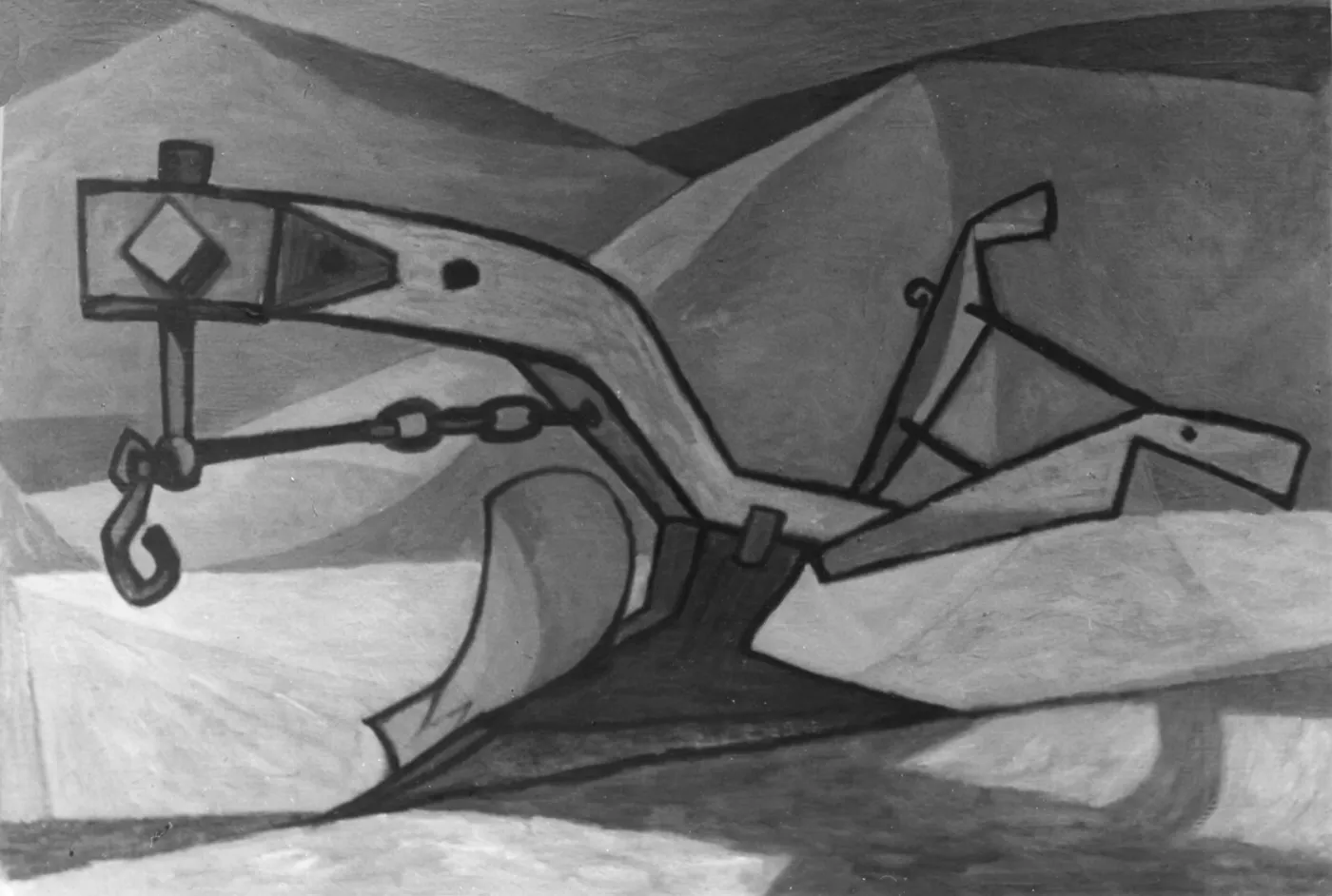
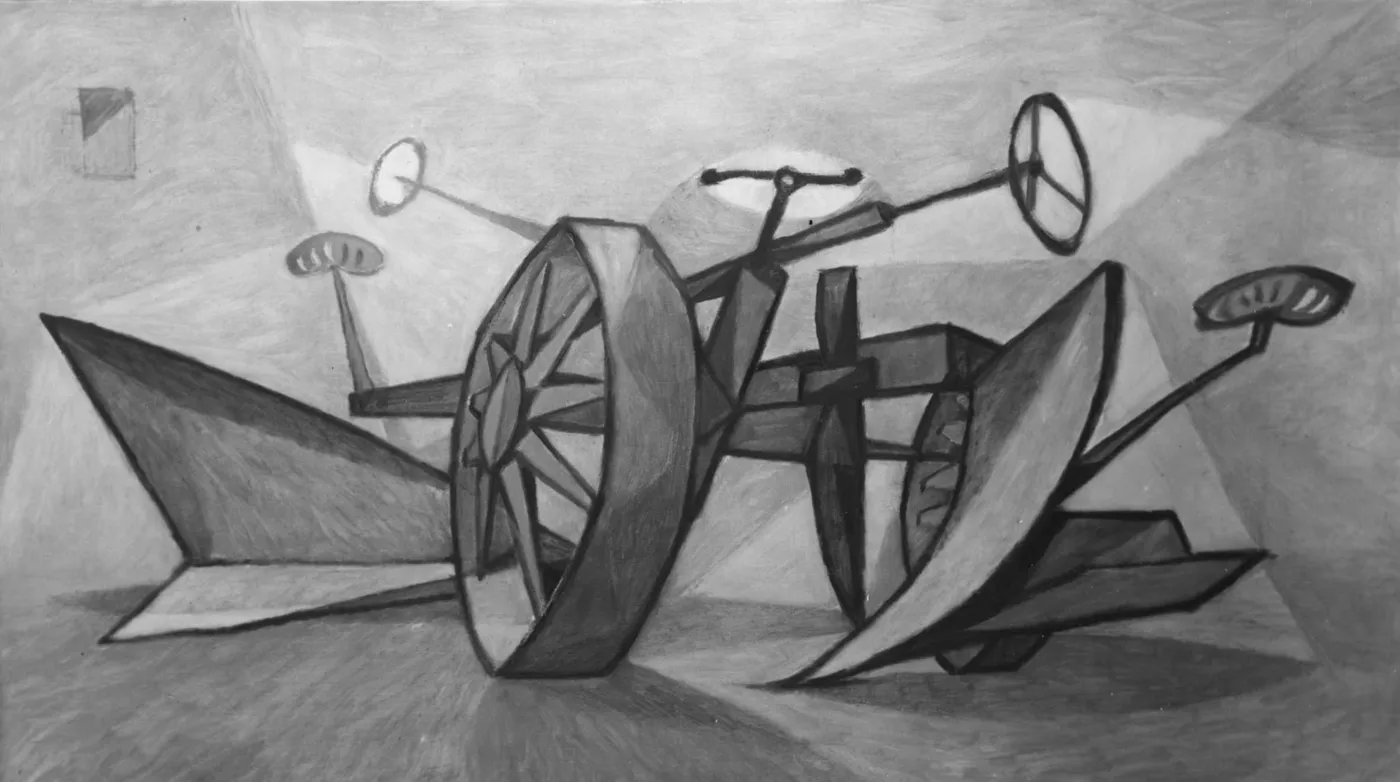
From the 1950s, Kees van Willigen develops a singular plastic language where animal and human forms fragment into clear geometric planes. Influenced by Picasso and analytic cubism, he nonetheless imposes his own organic, fleshy, living vision.
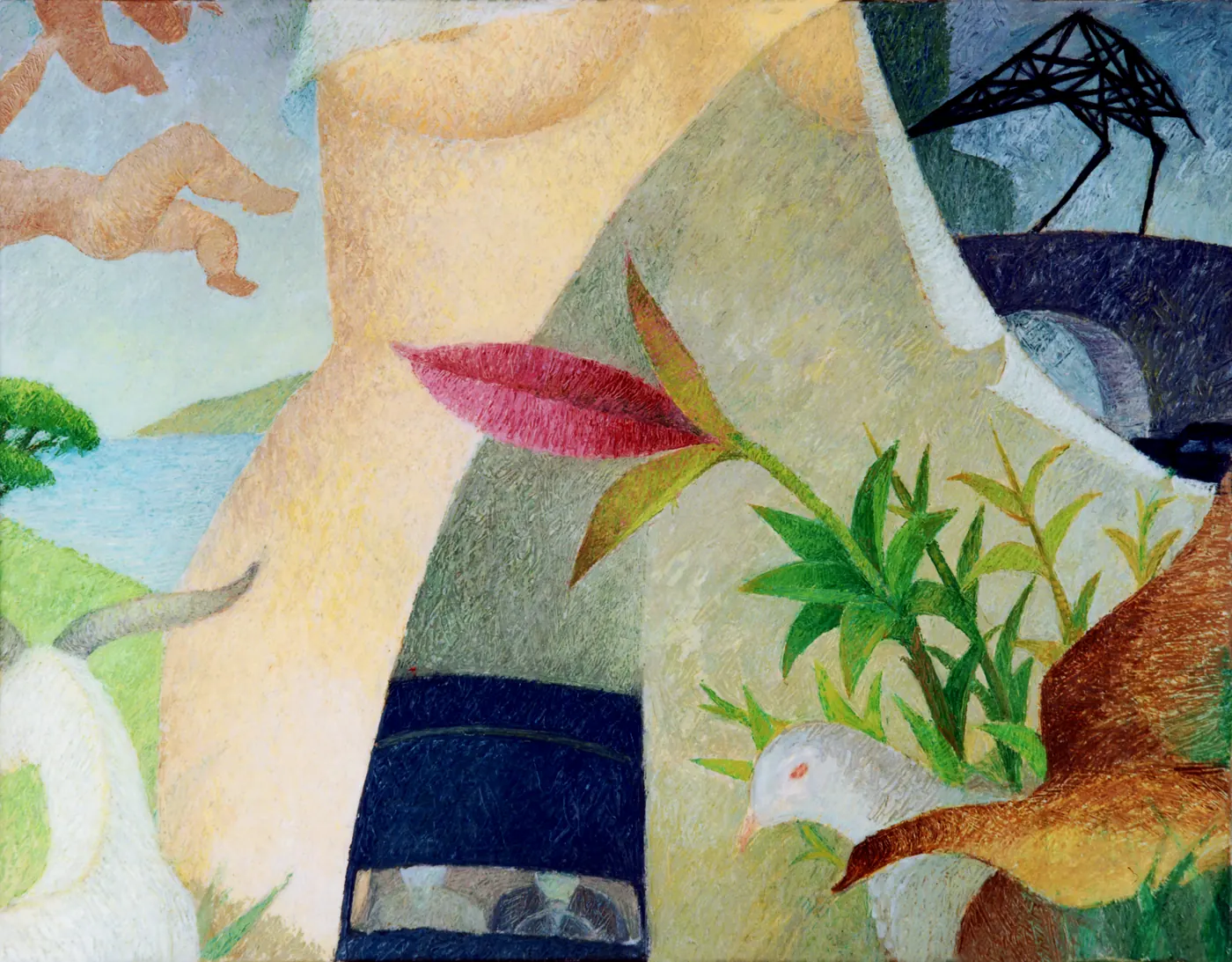
1963 – 1981 · Surrealism · Oneirism
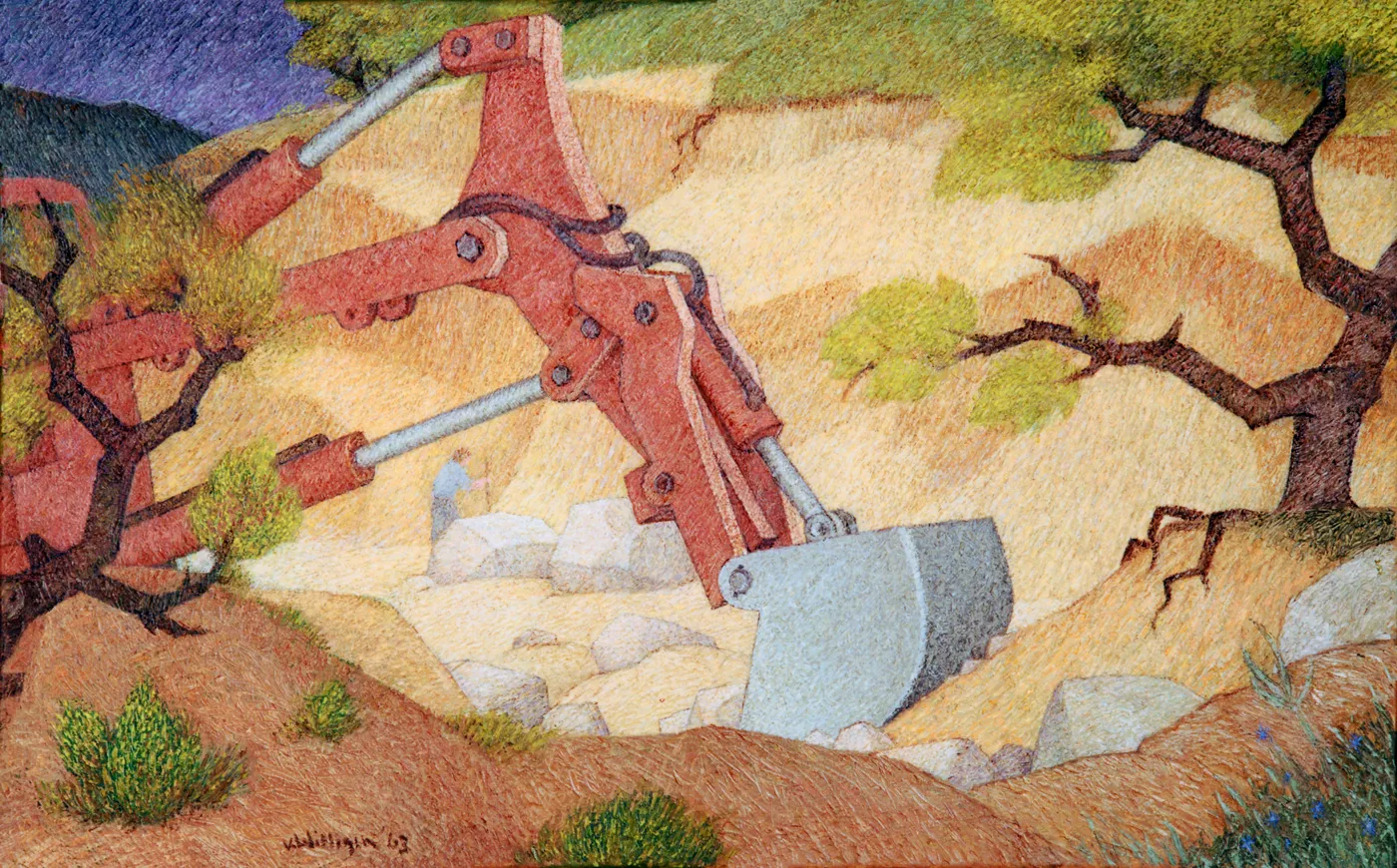
The strange and the real
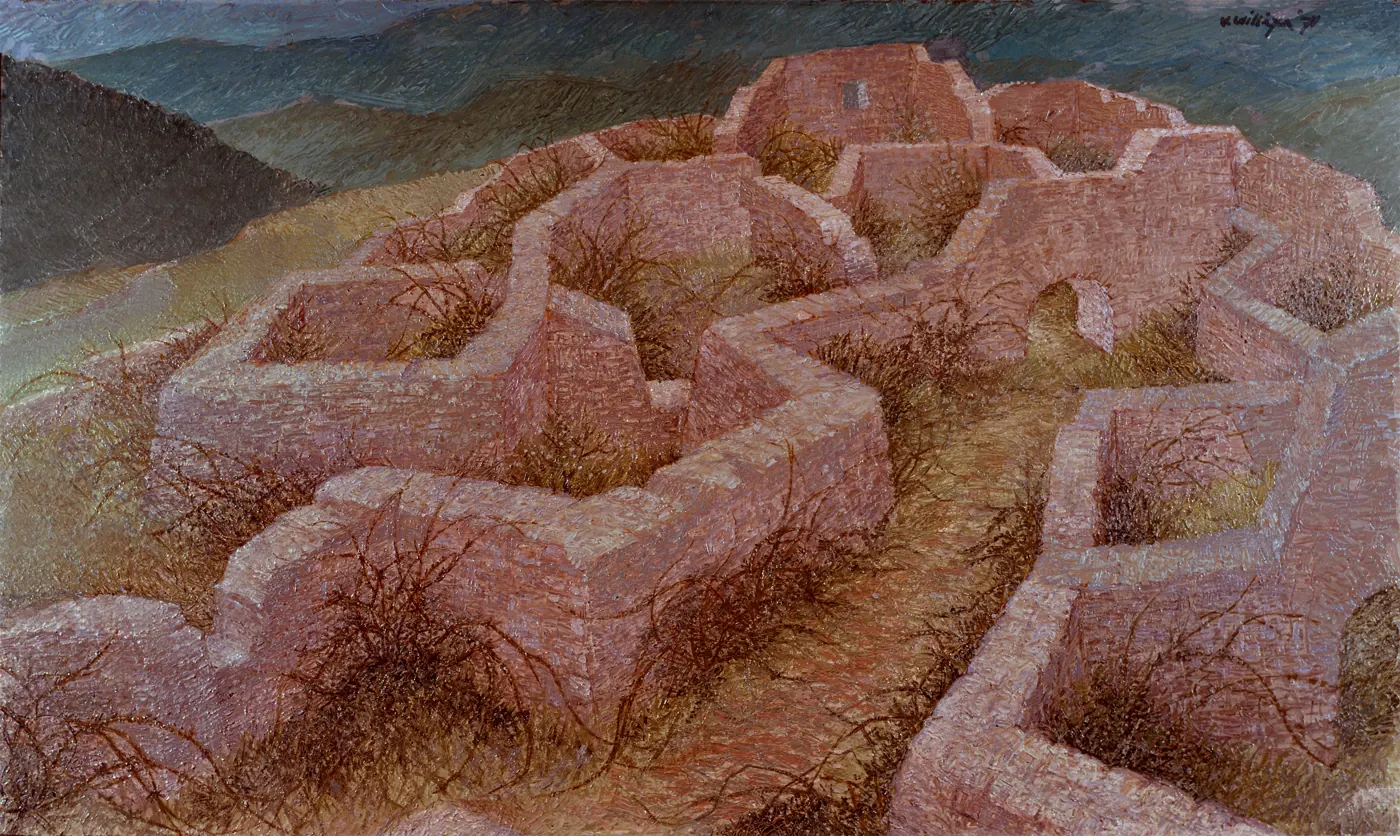
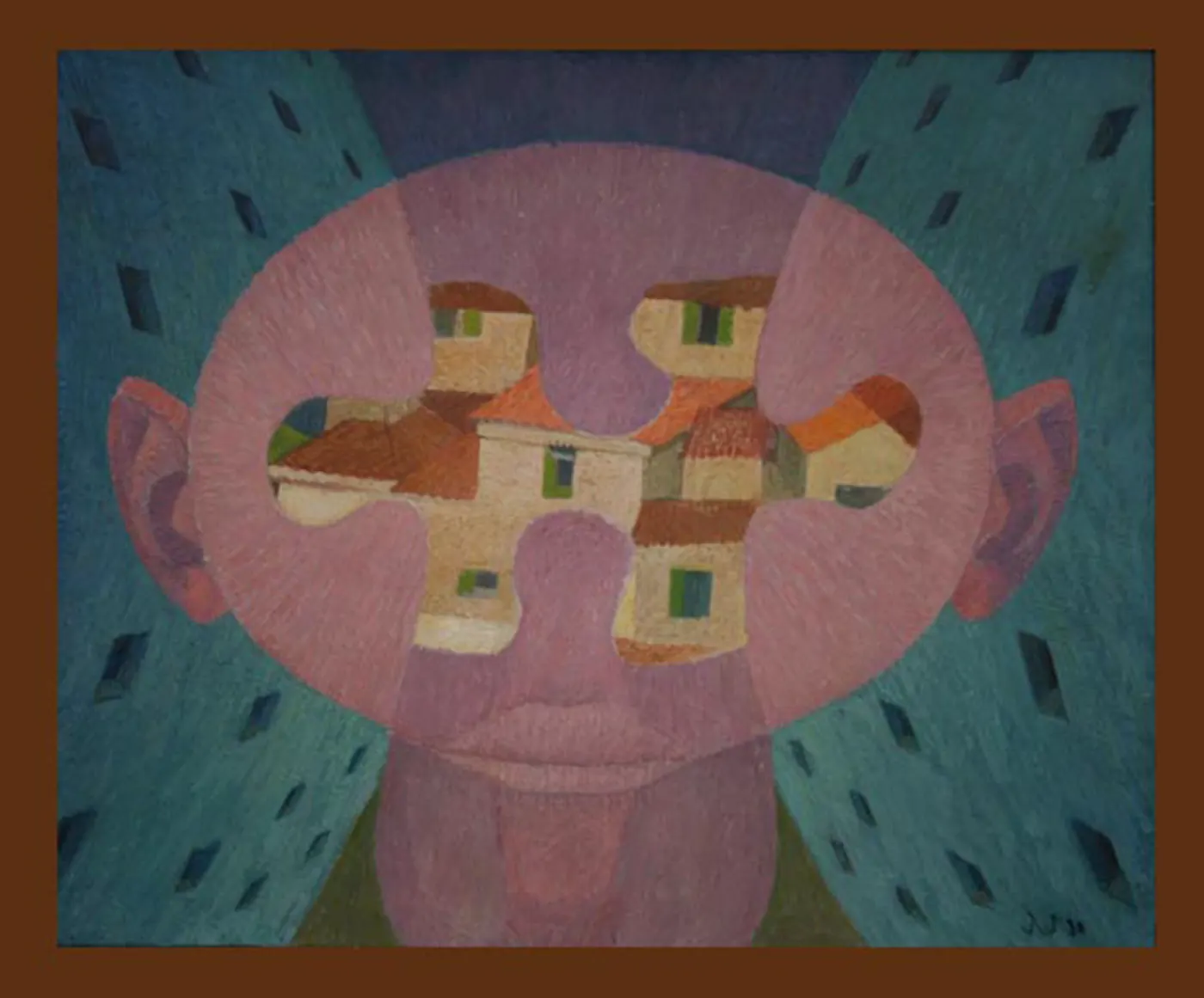
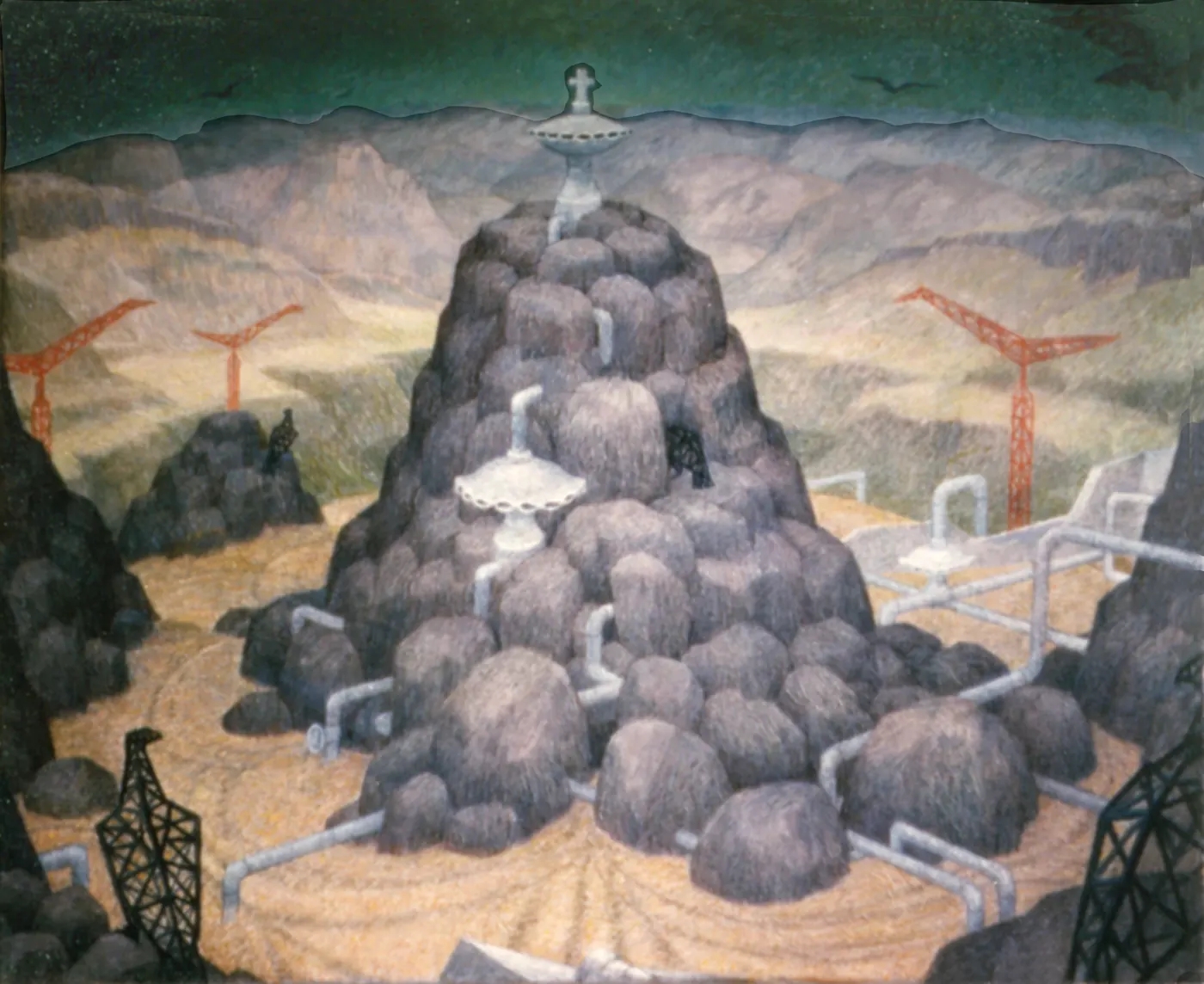
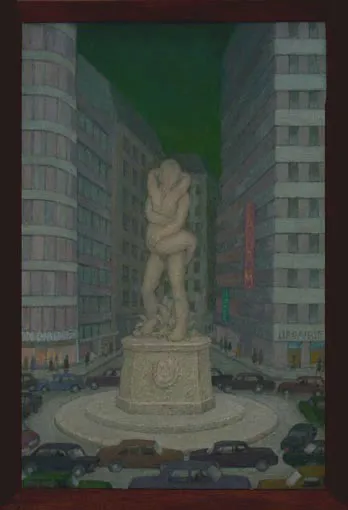
Kees van Willigen never abandoned the strange. Behind familiar landscapes and sensual bodies another reality emerges — industrial, dreamlike, sometimes unsettling.
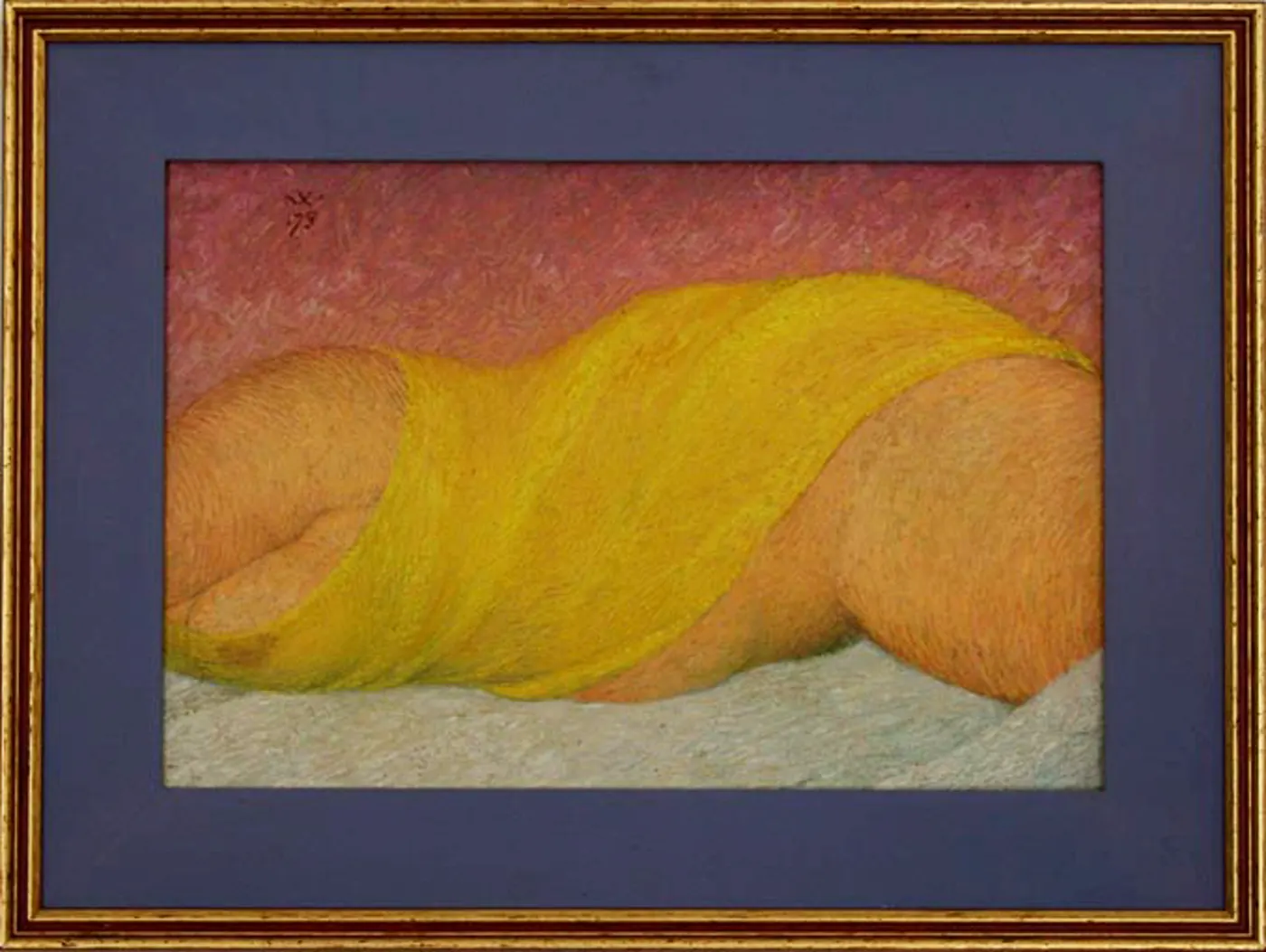
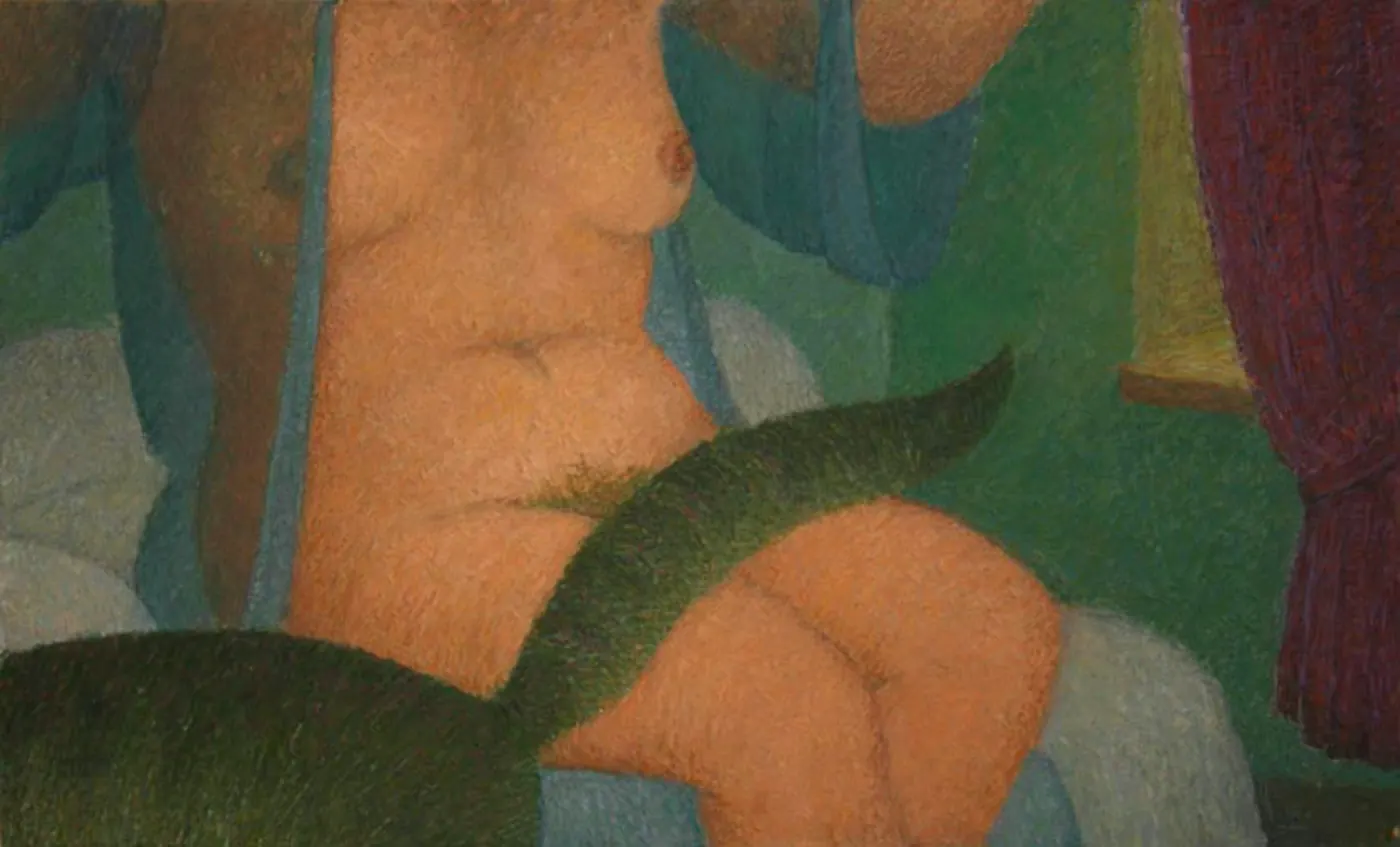
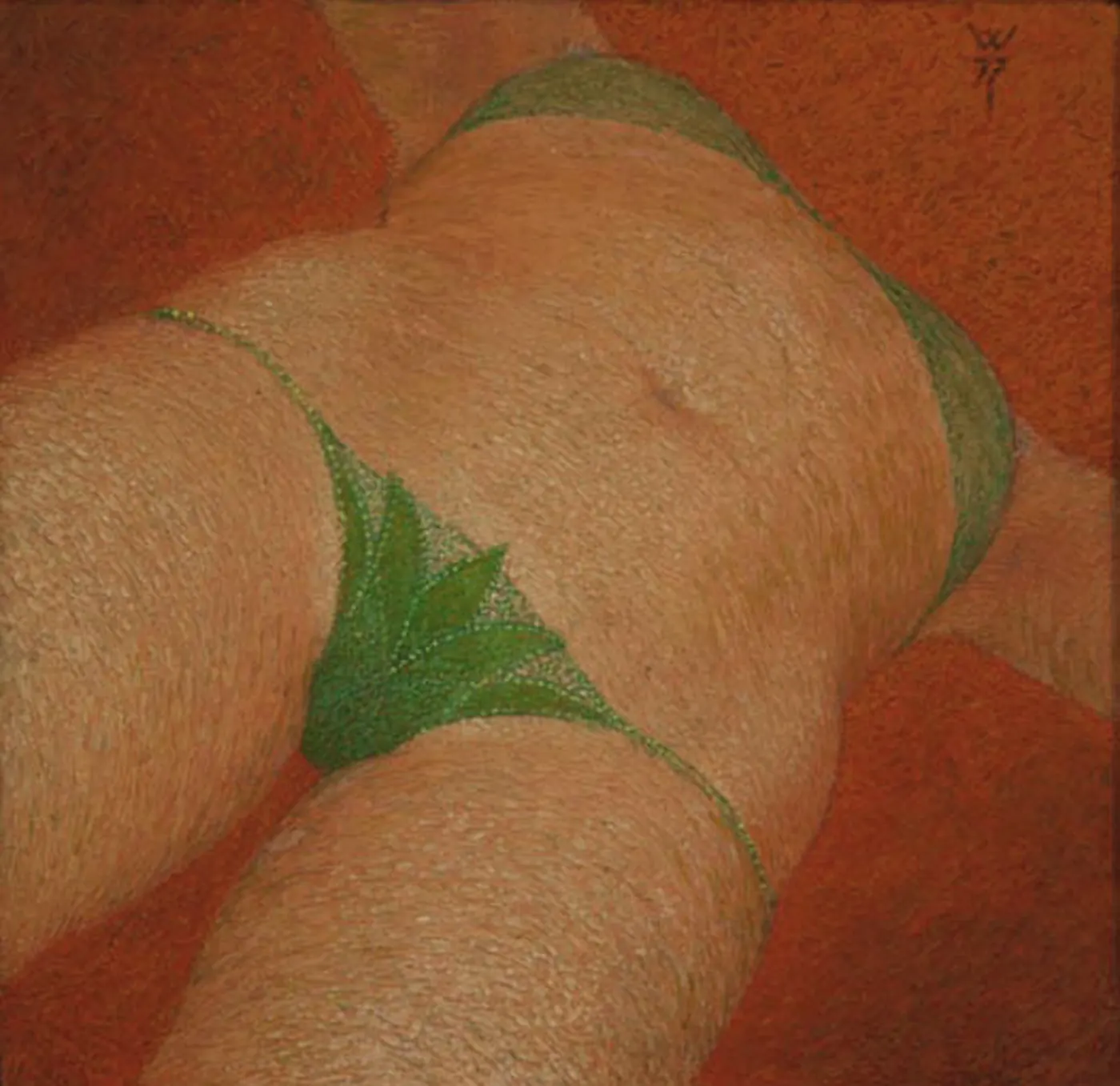
1960 – 1989 · Human Figure
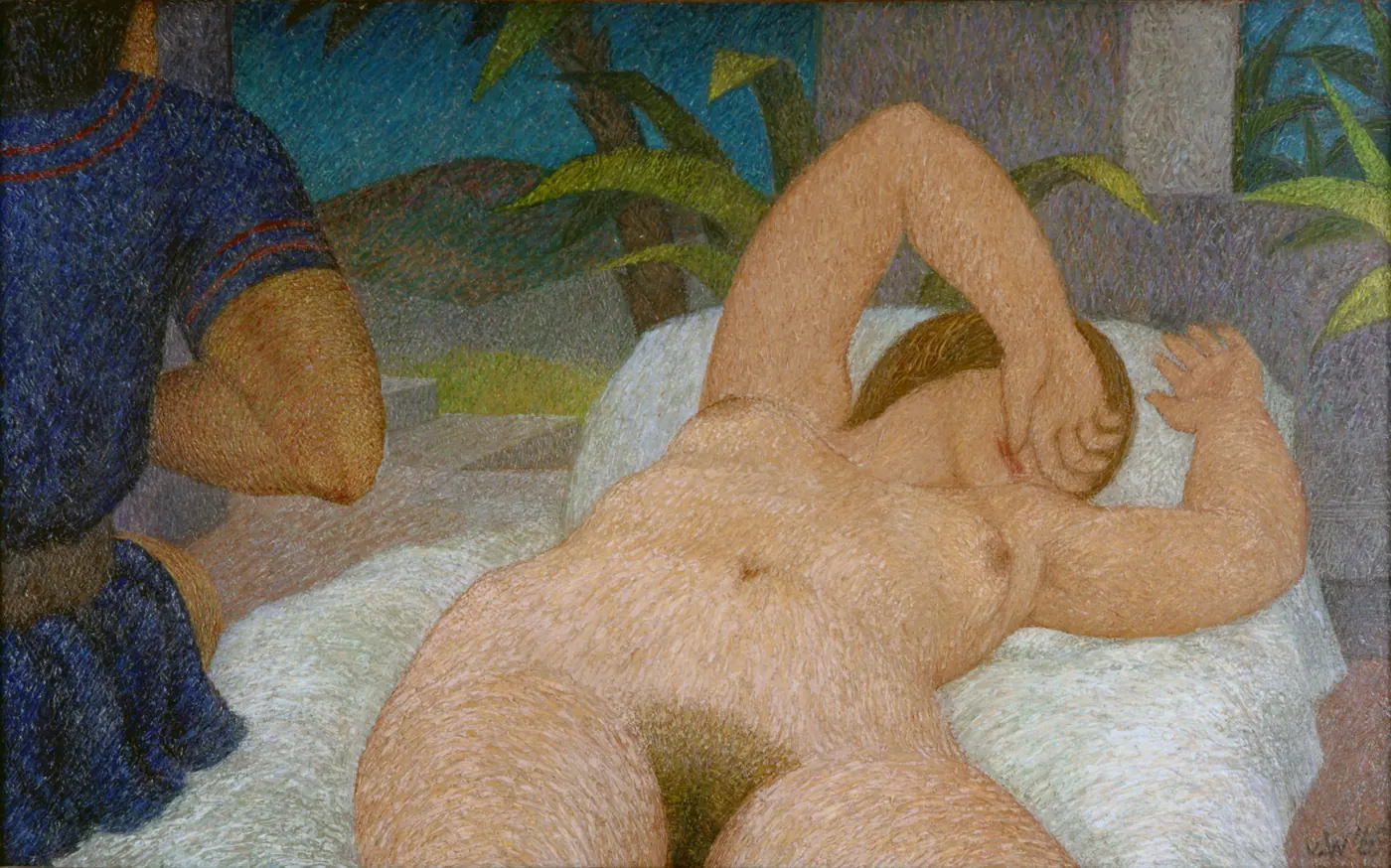
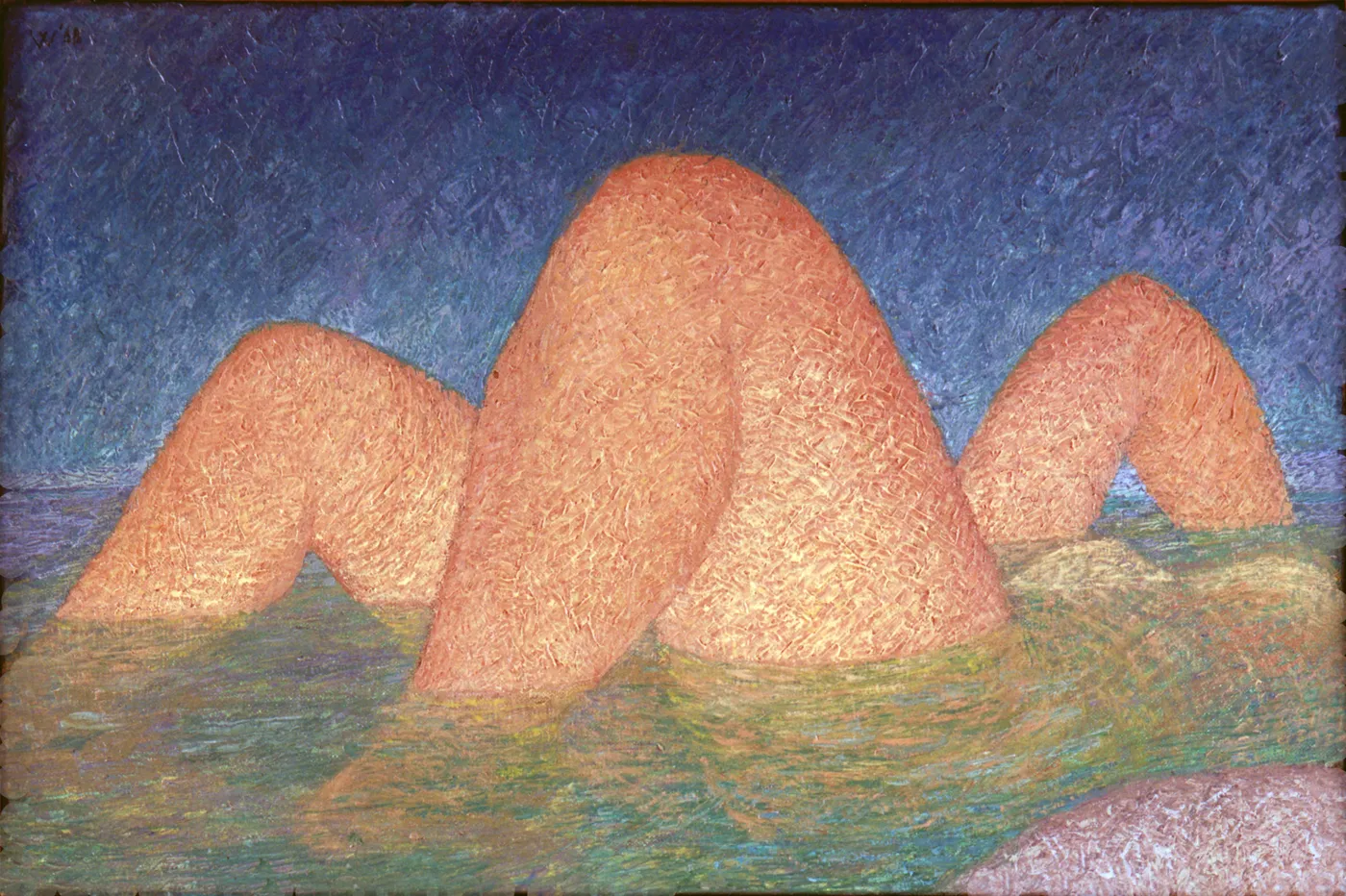
The body as landscape
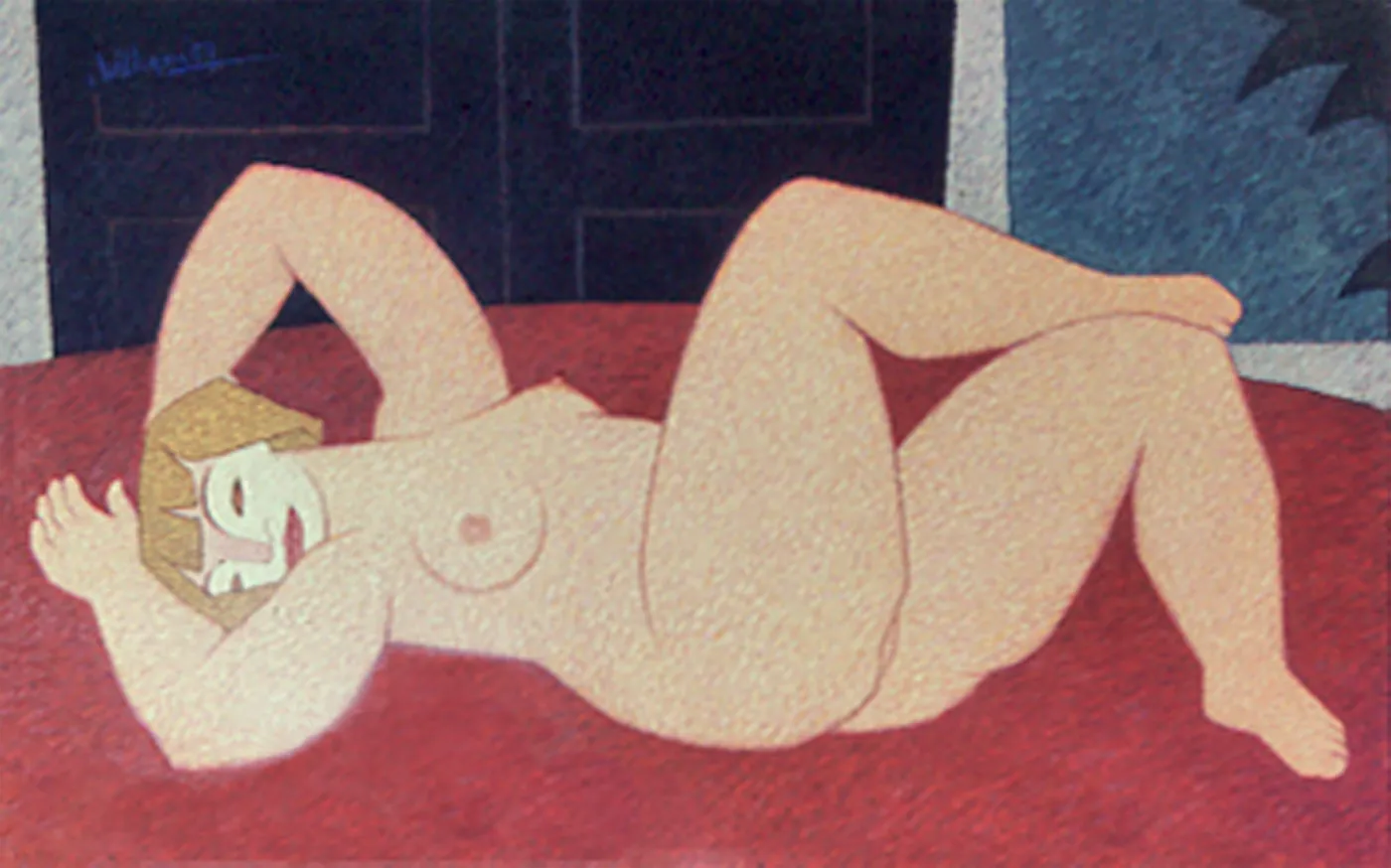
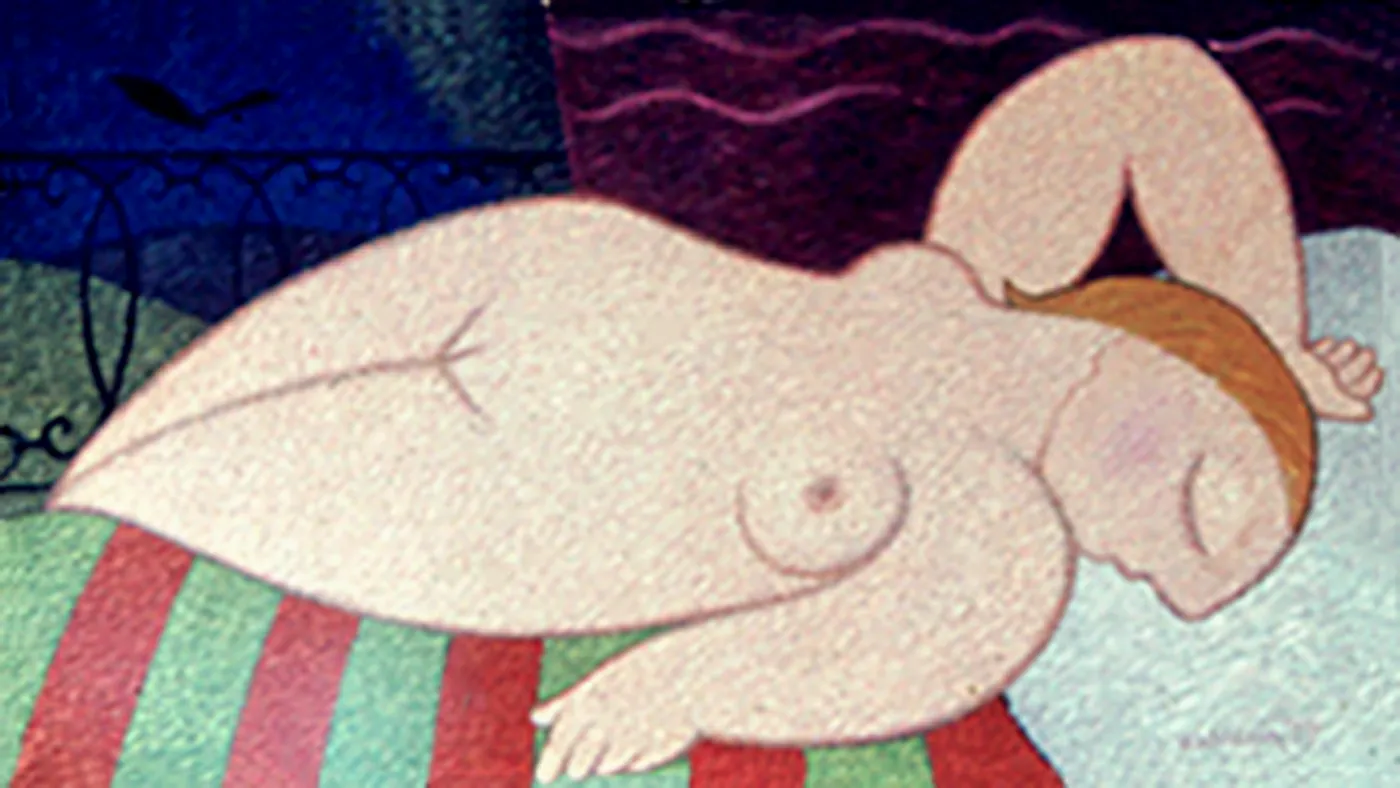
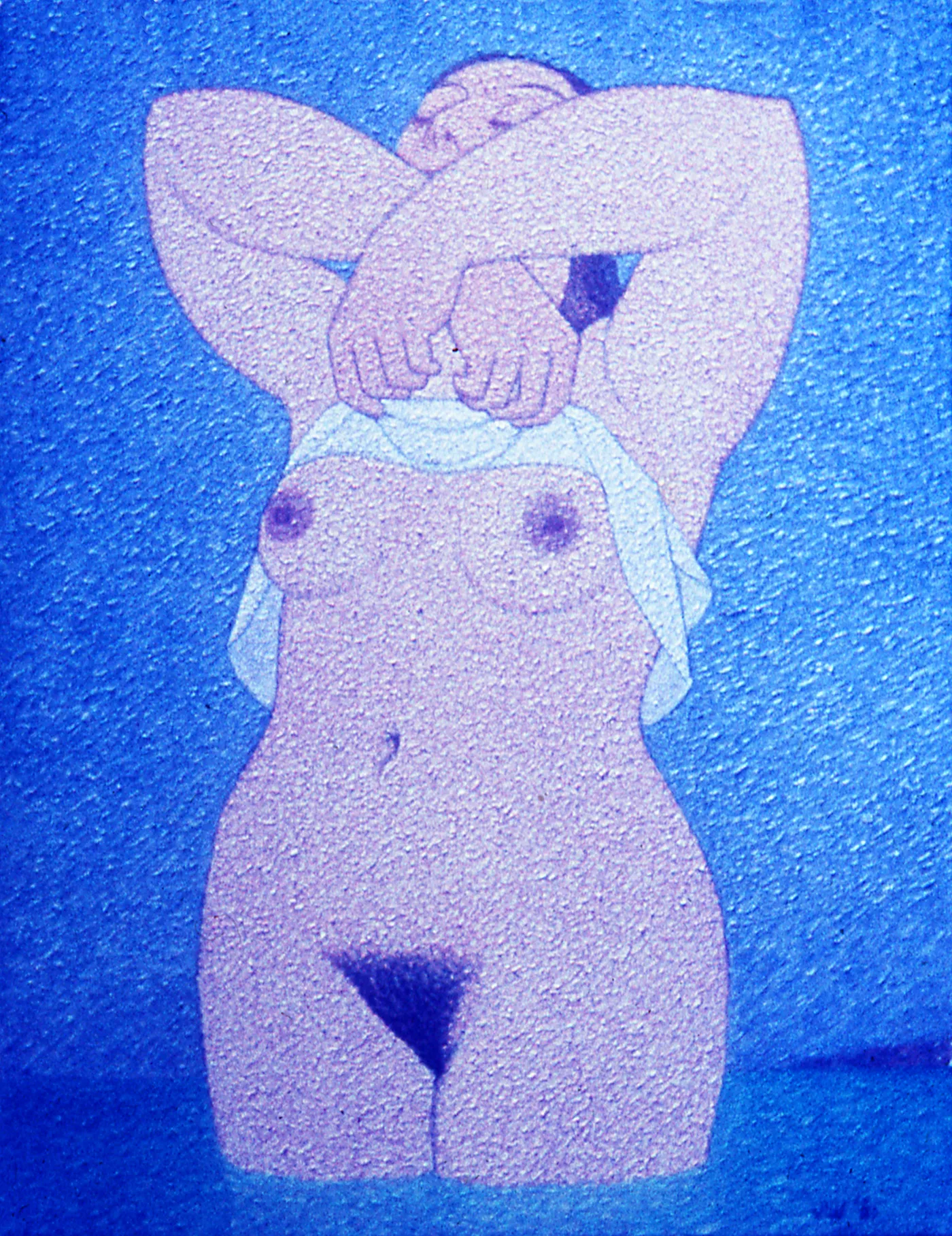
The nude occupies a central place in Kees van Willigen's work. Not the academic nude, but the living, carnal, organic body — treated with the same freedom as his landscapes.
Catalogue
More works
Paintings and portraits sorted by theme. Each work has its own detailed page.
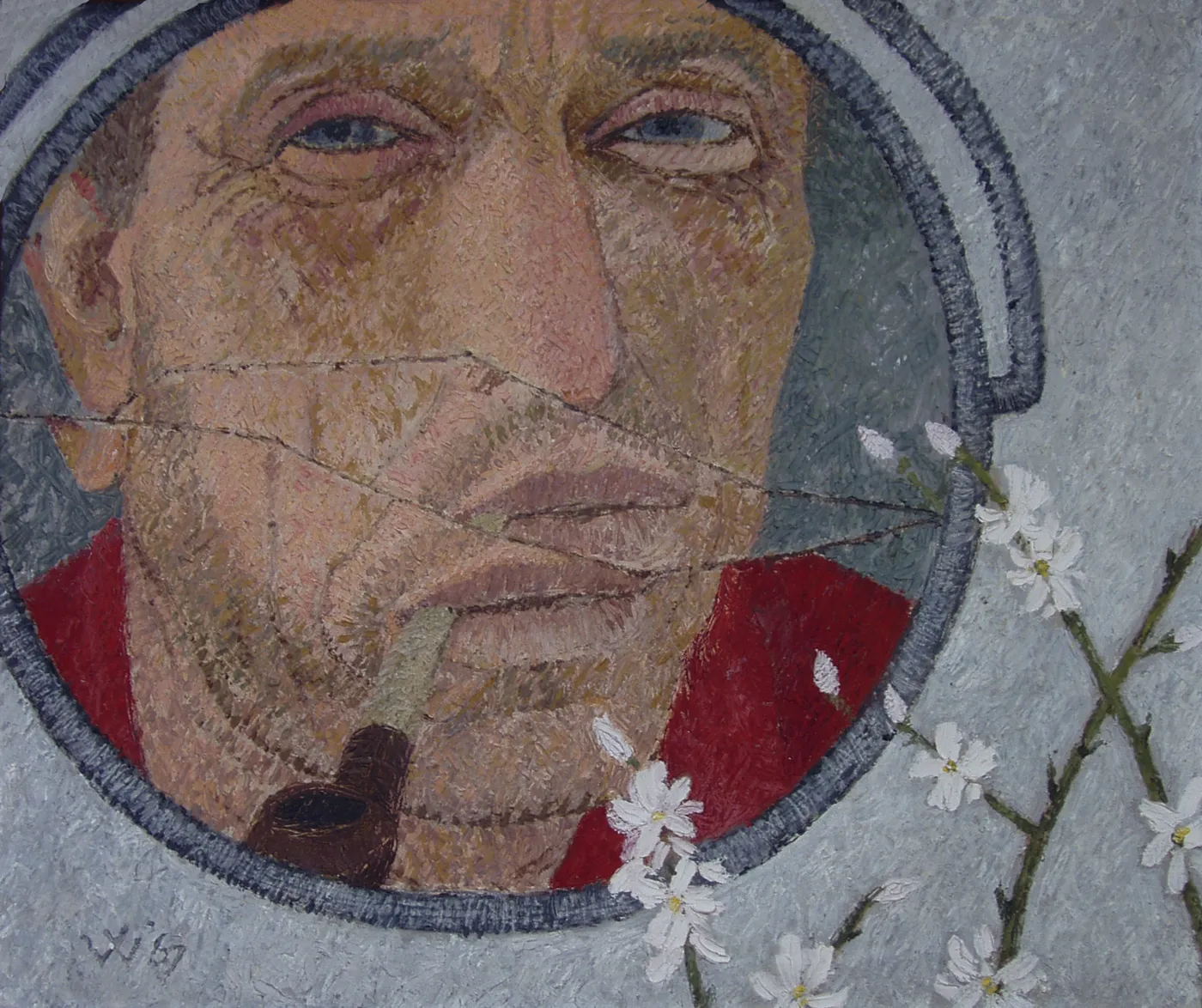
Portraits and figures
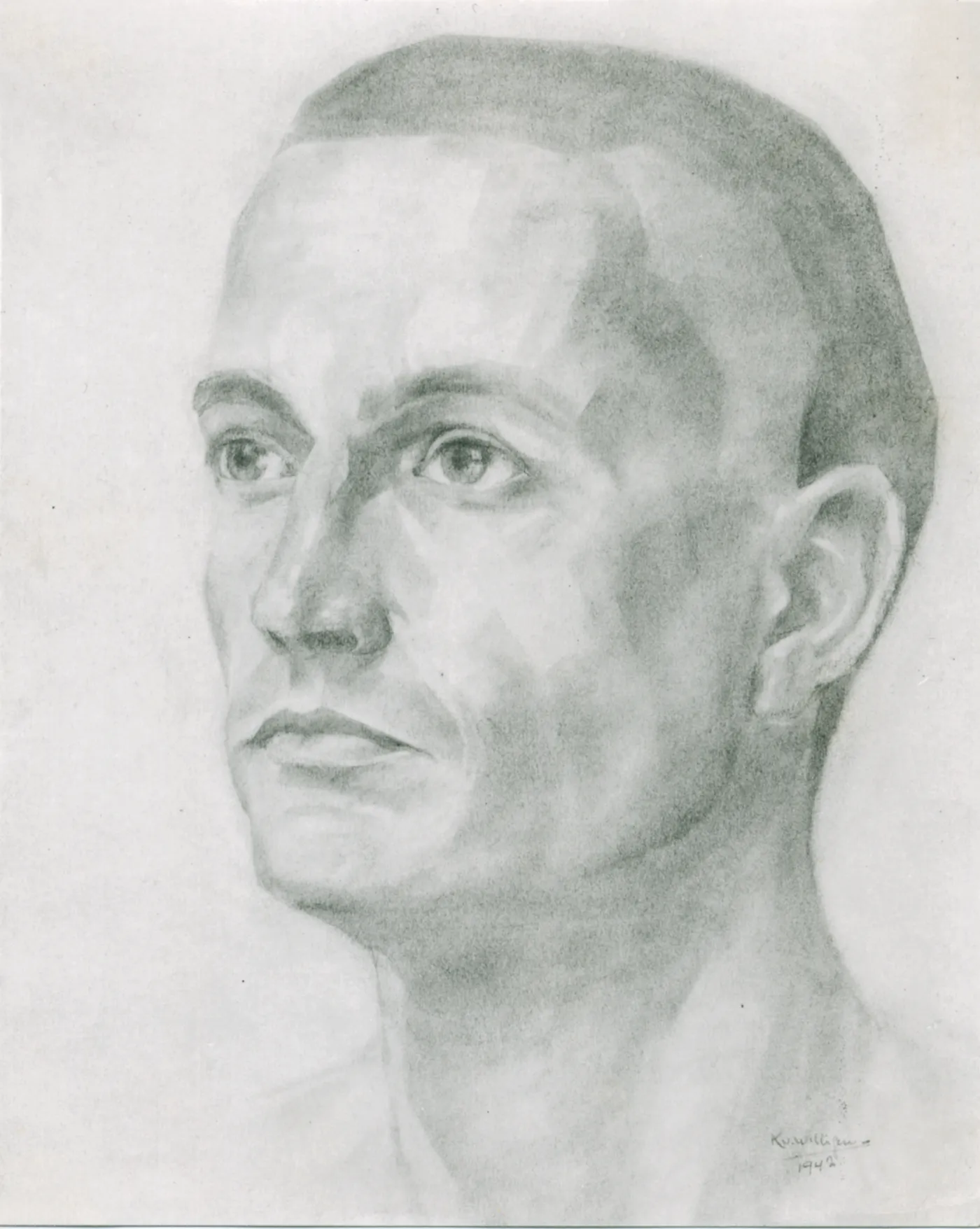
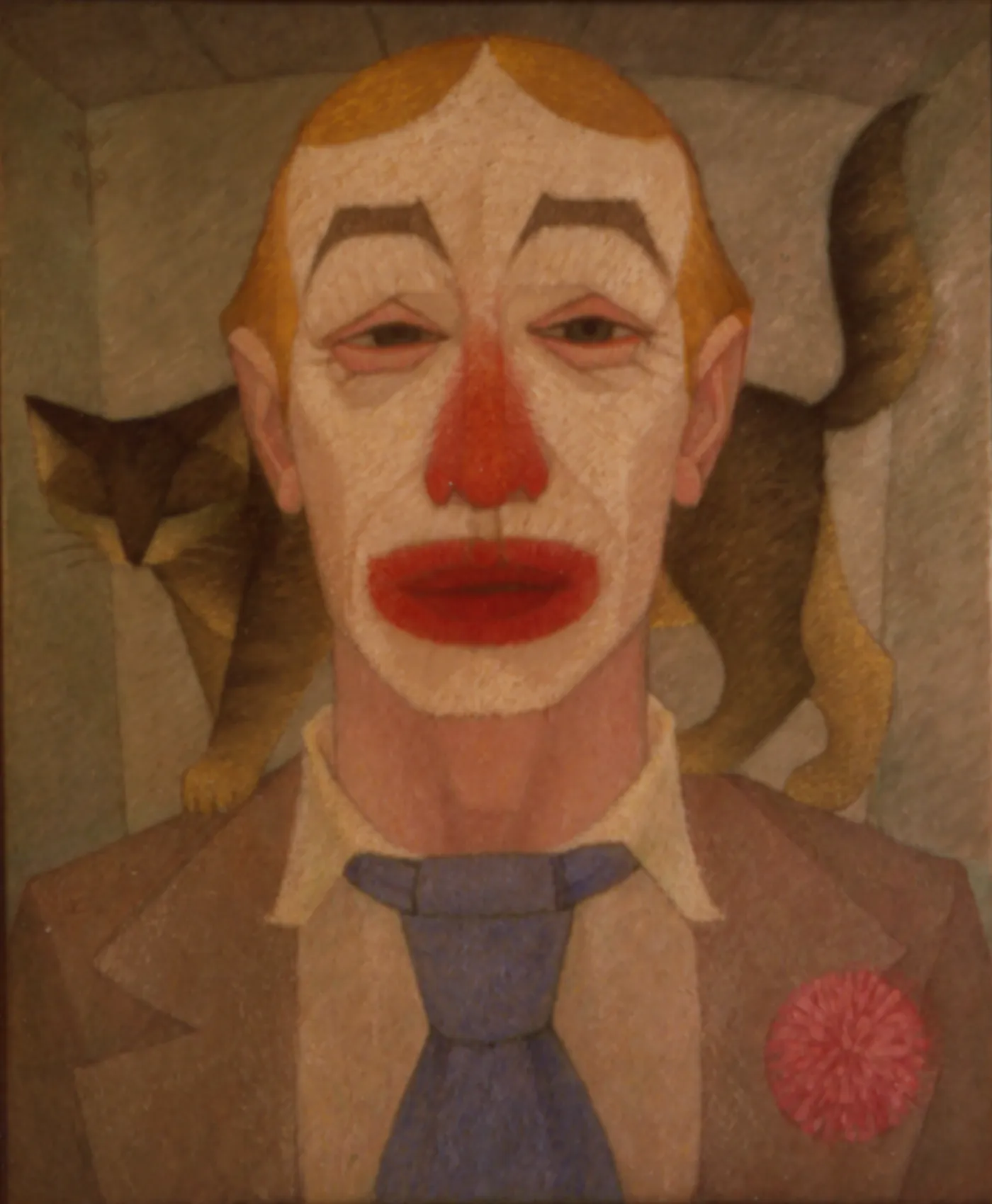
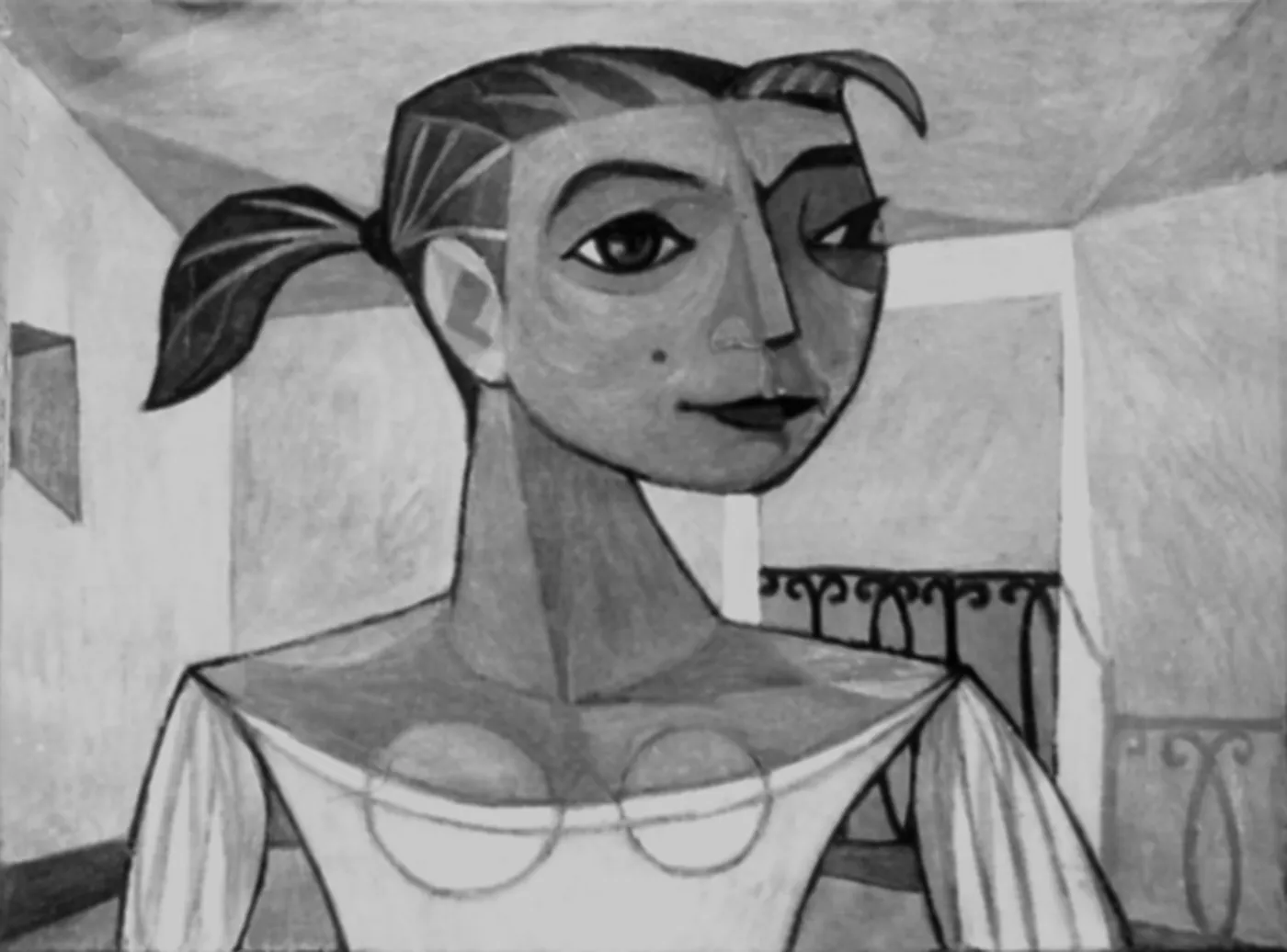
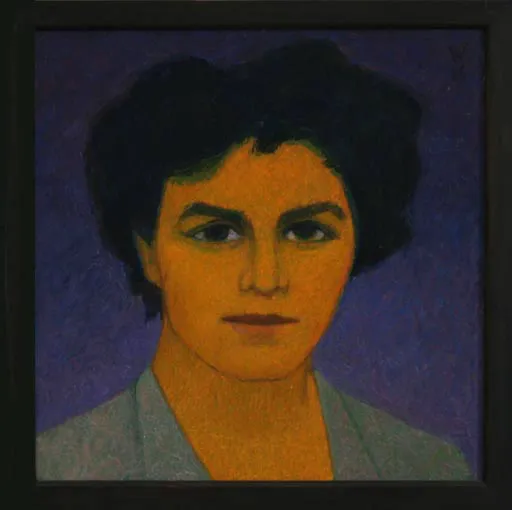
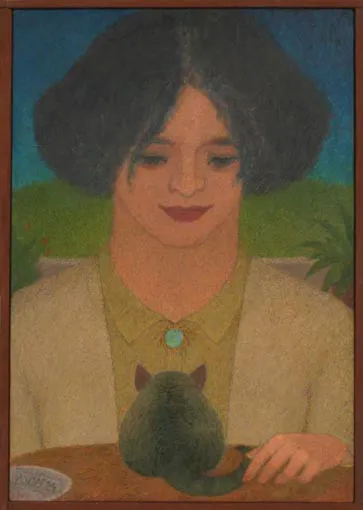
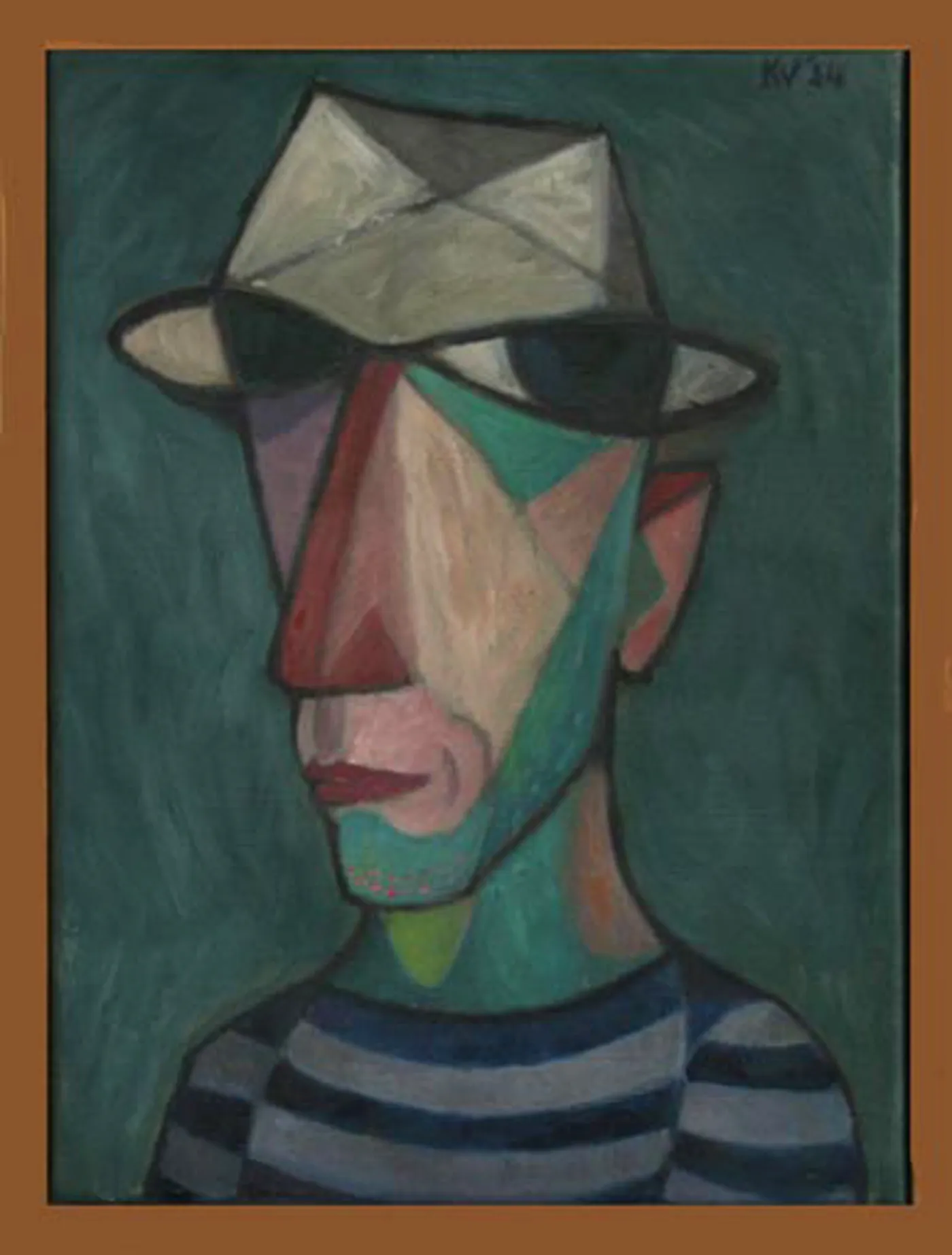
11 worksSelf-portraits, portraits of relatives and public figures, and painted figures from 1942 to 1989.
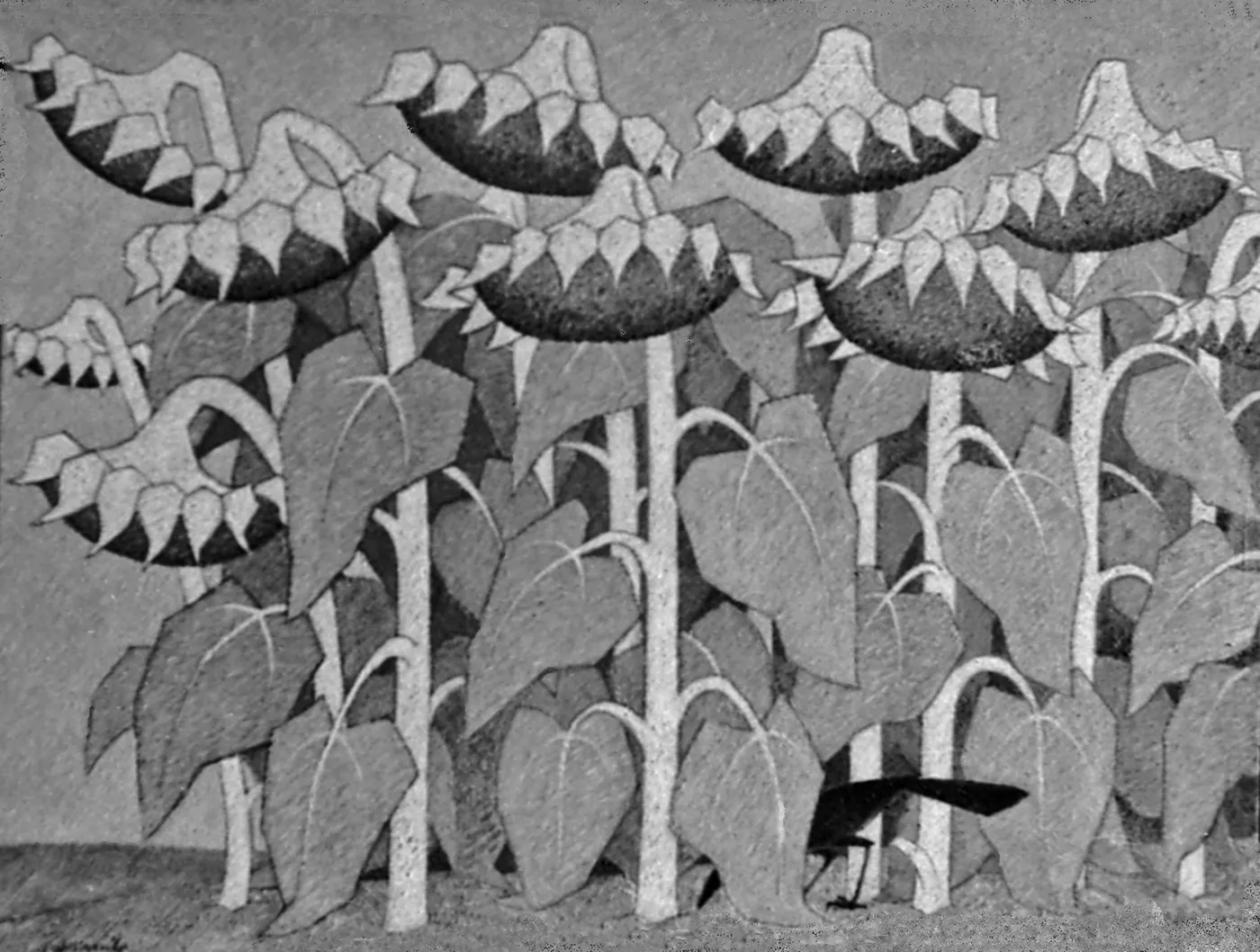
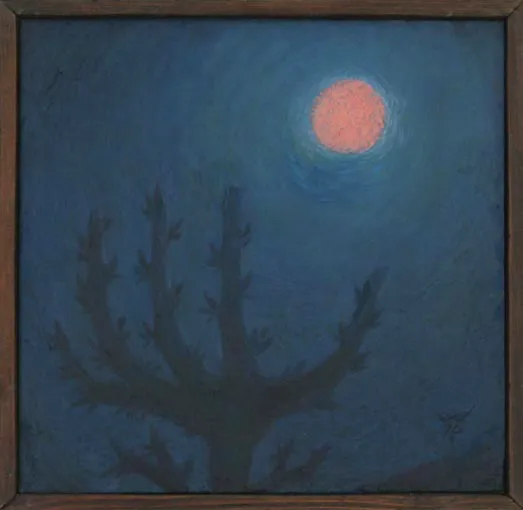
Landscapes and nature
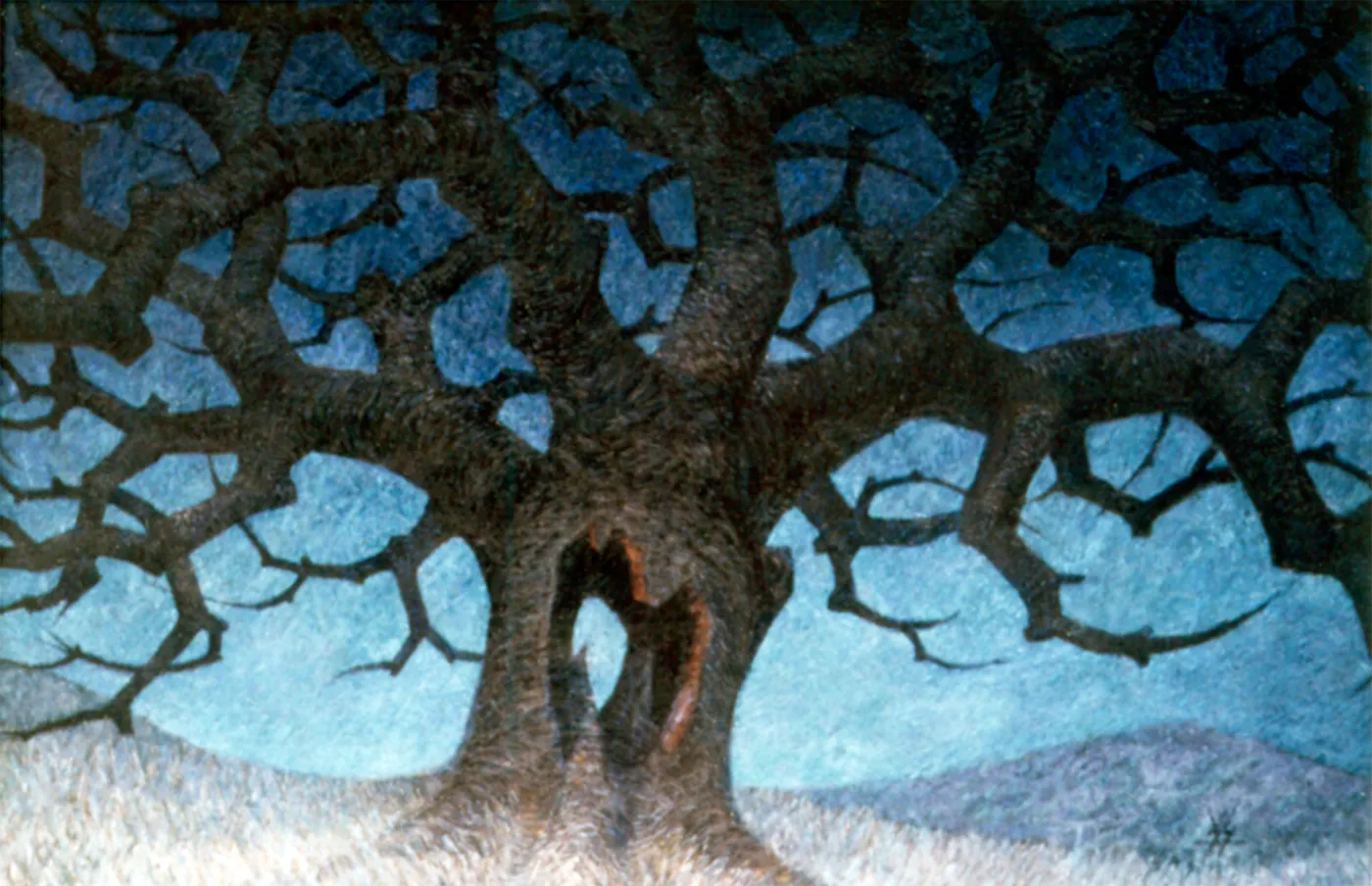
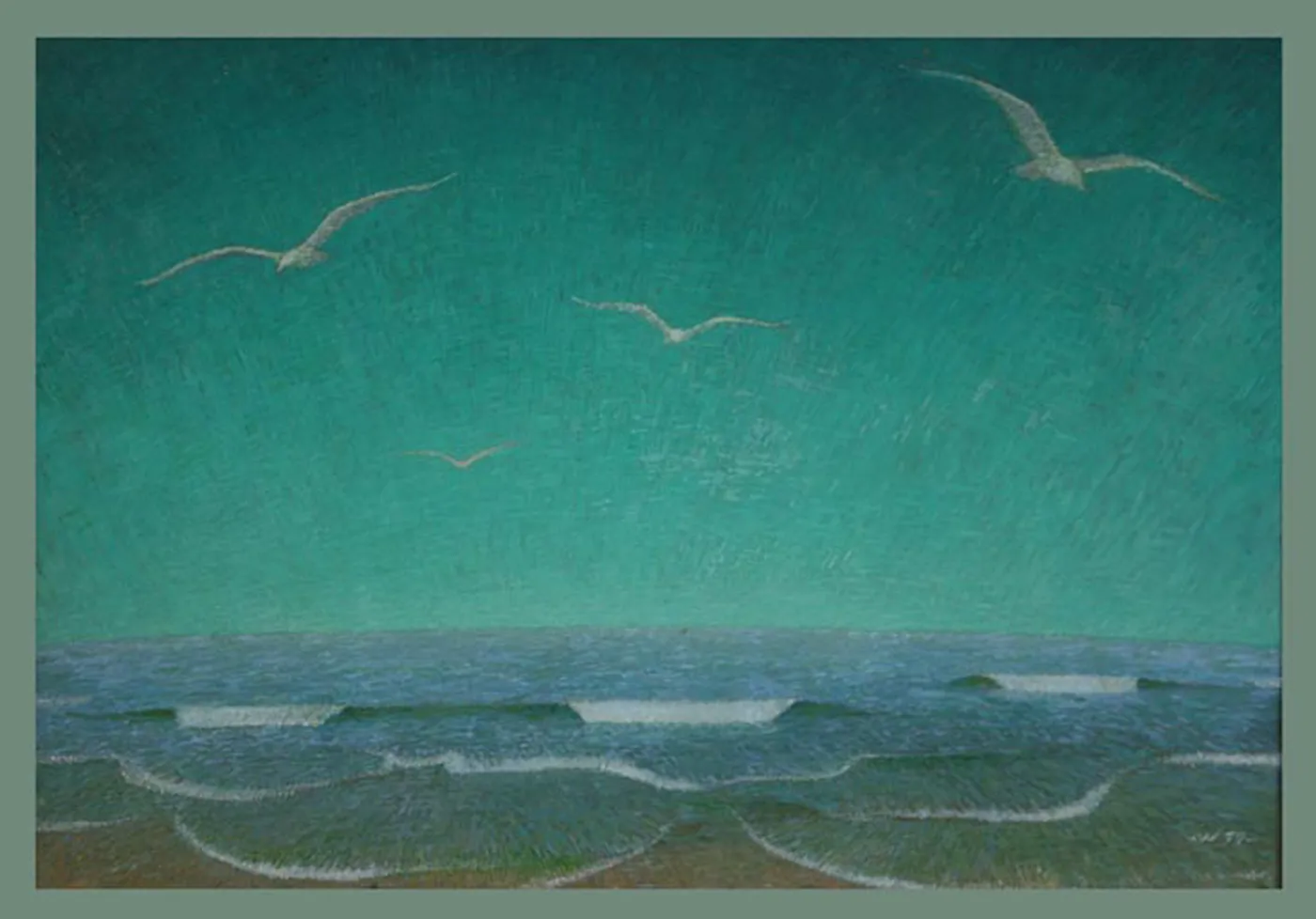
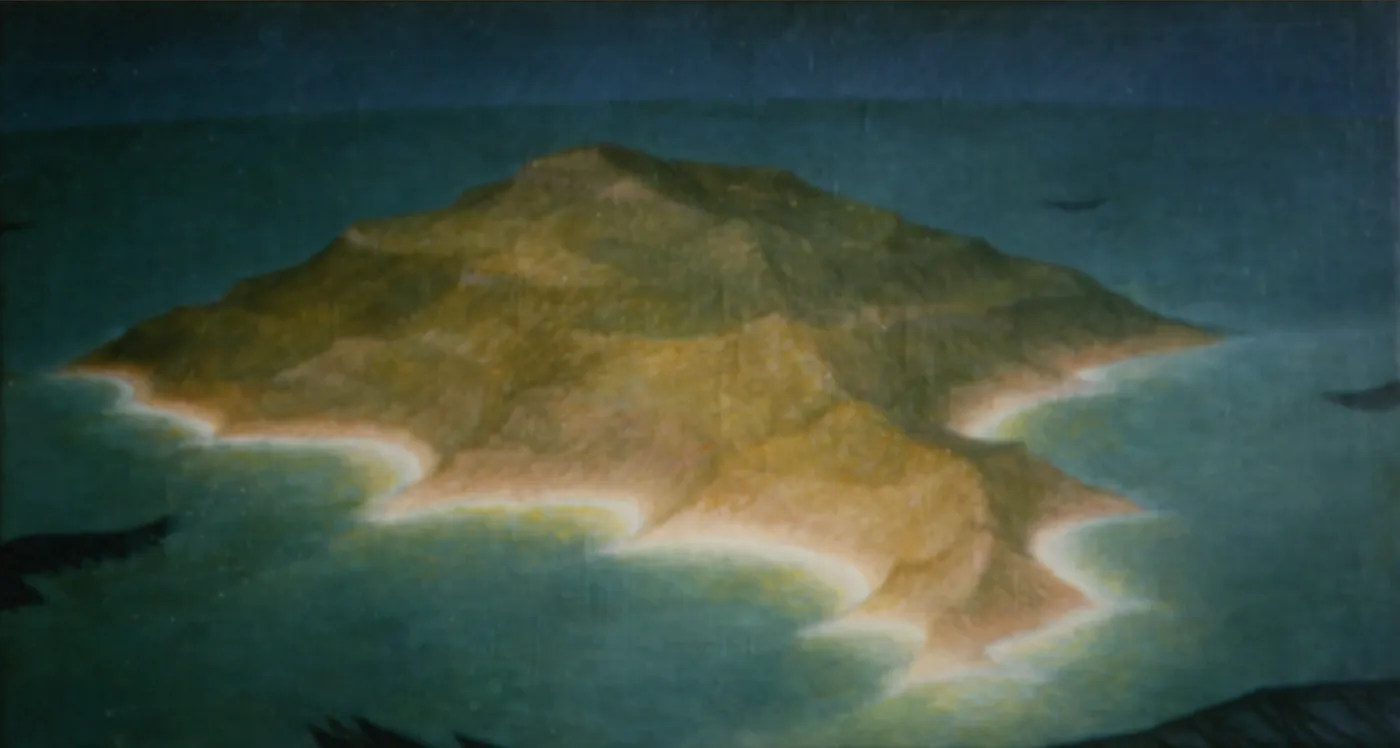
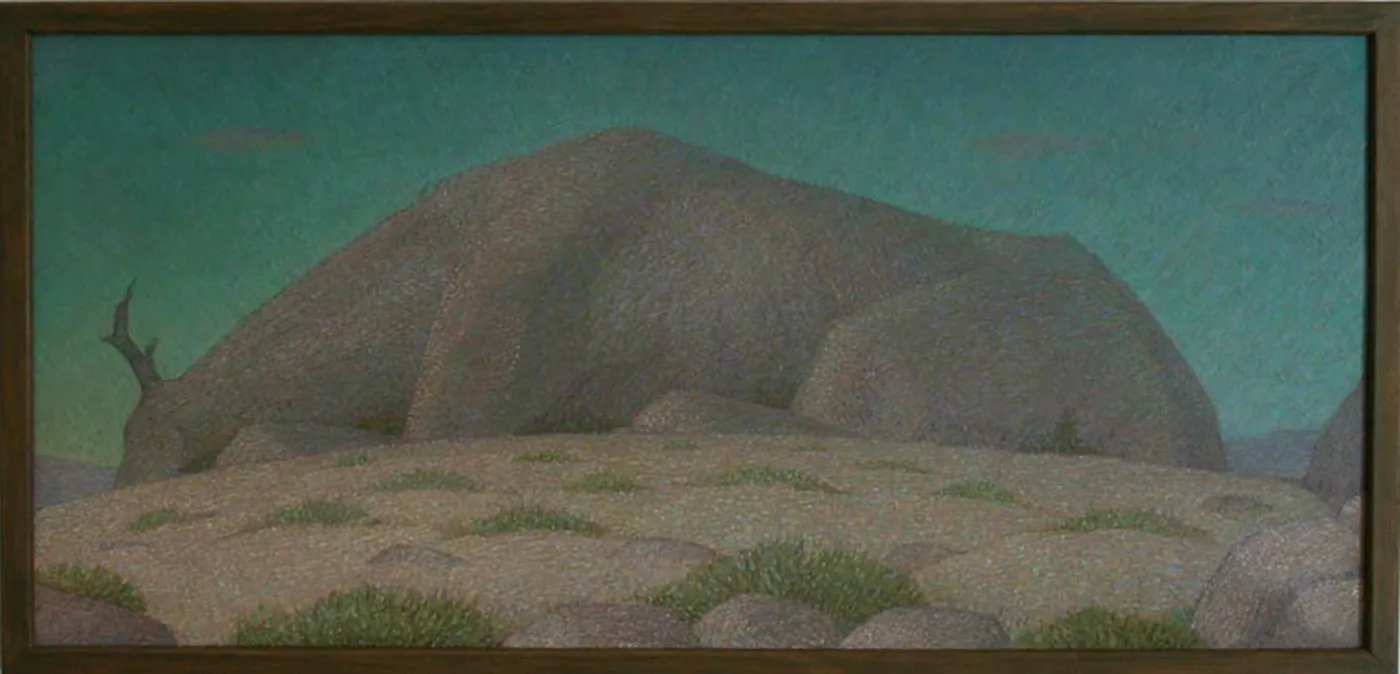
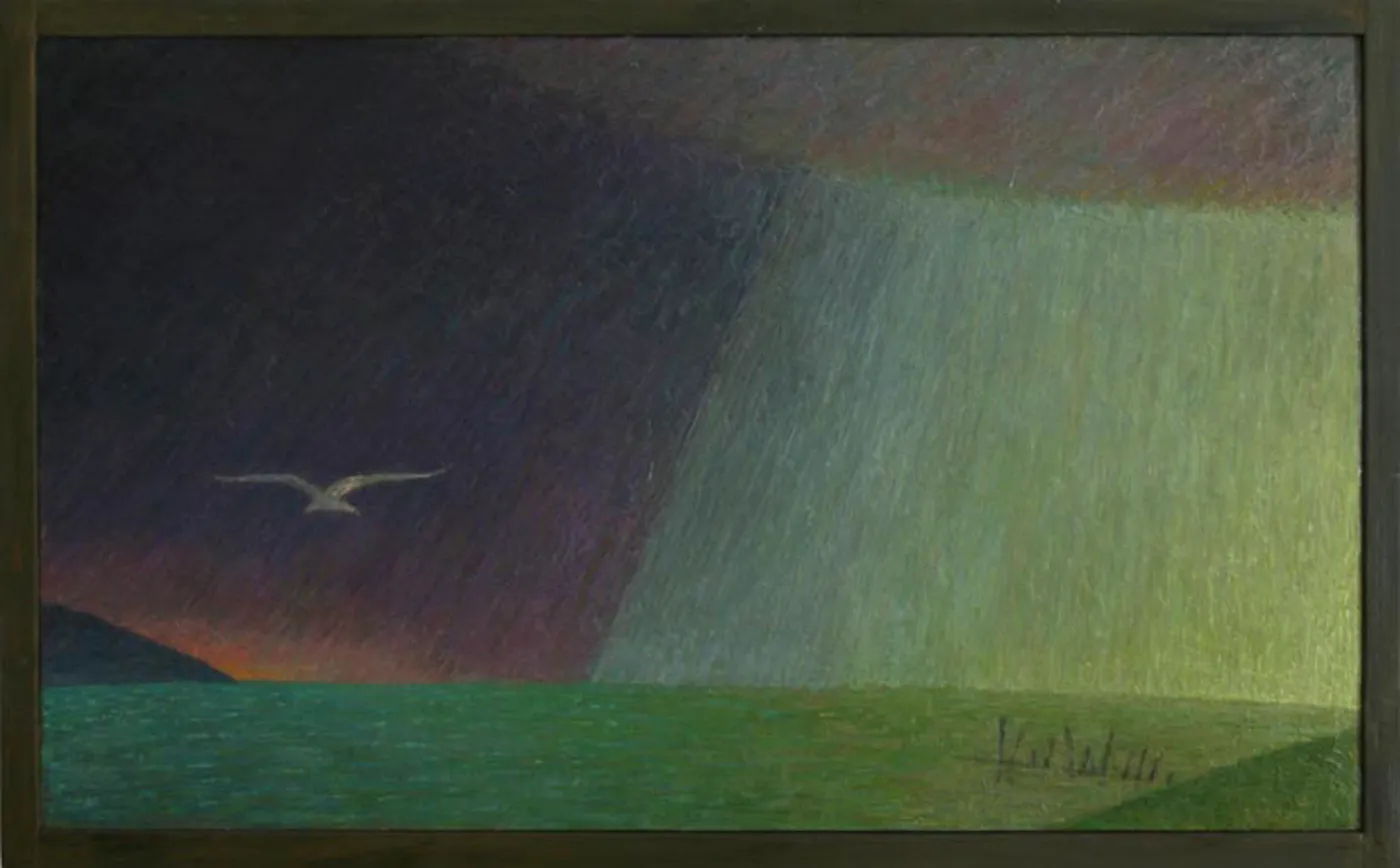
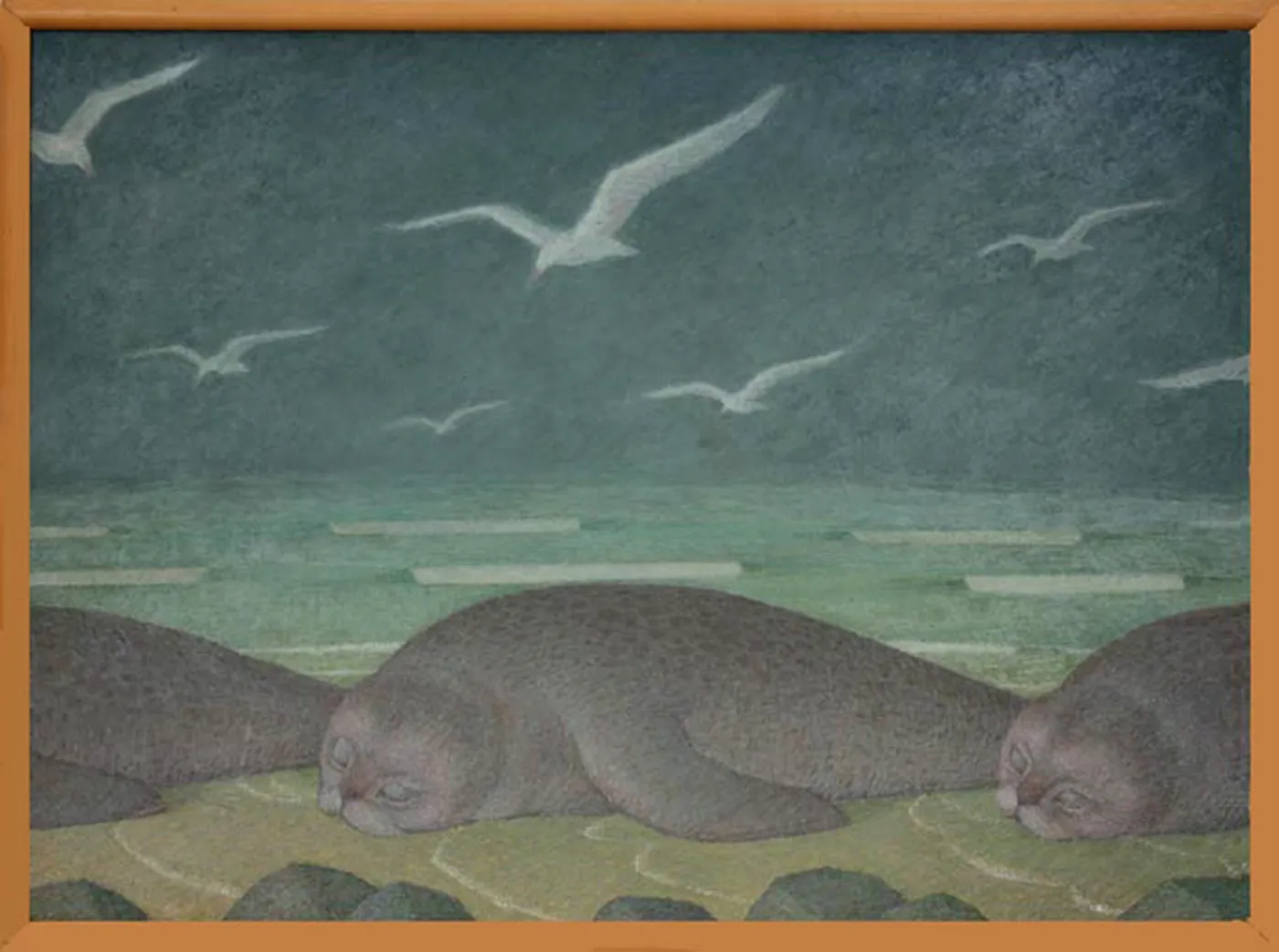
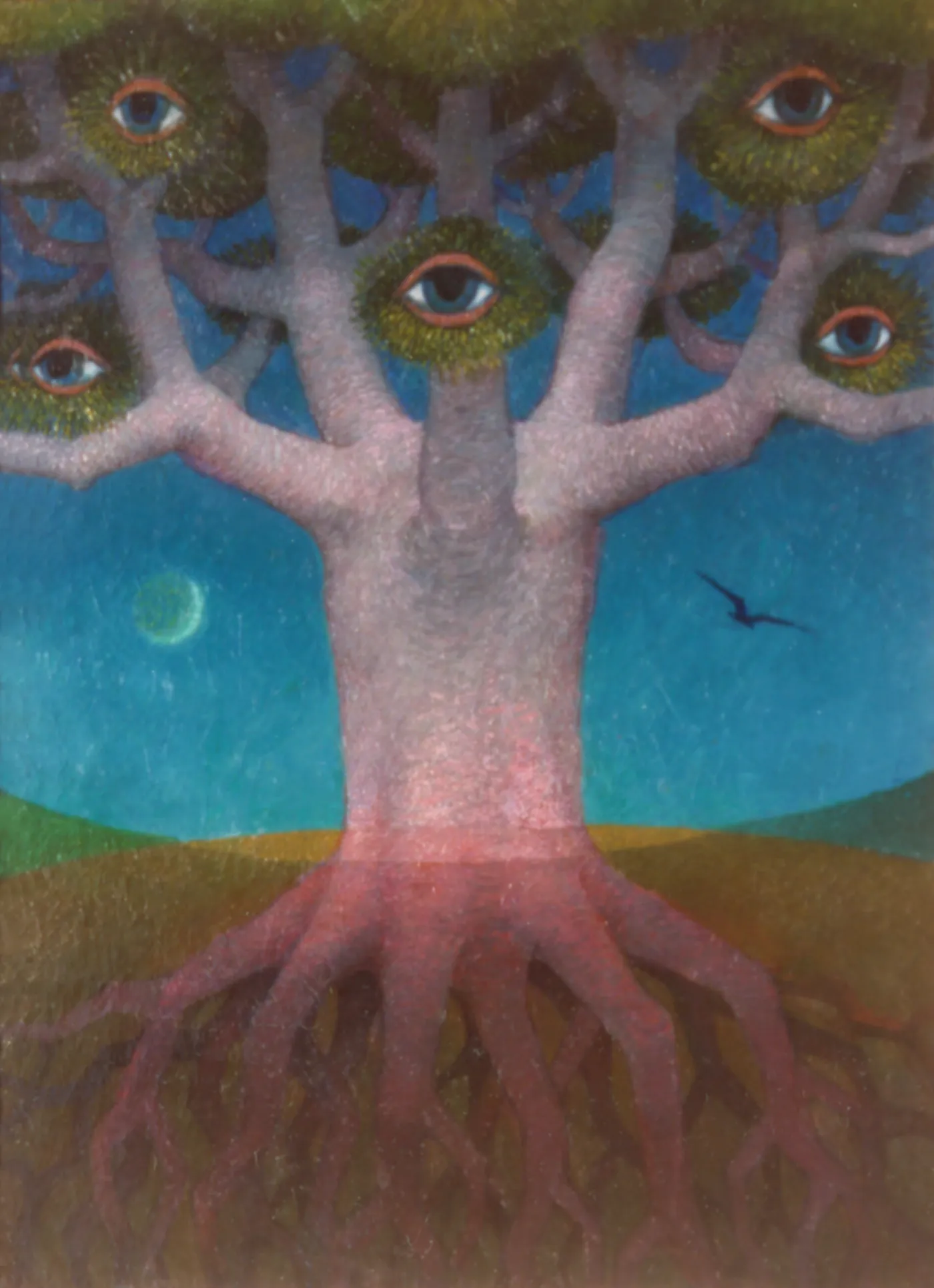
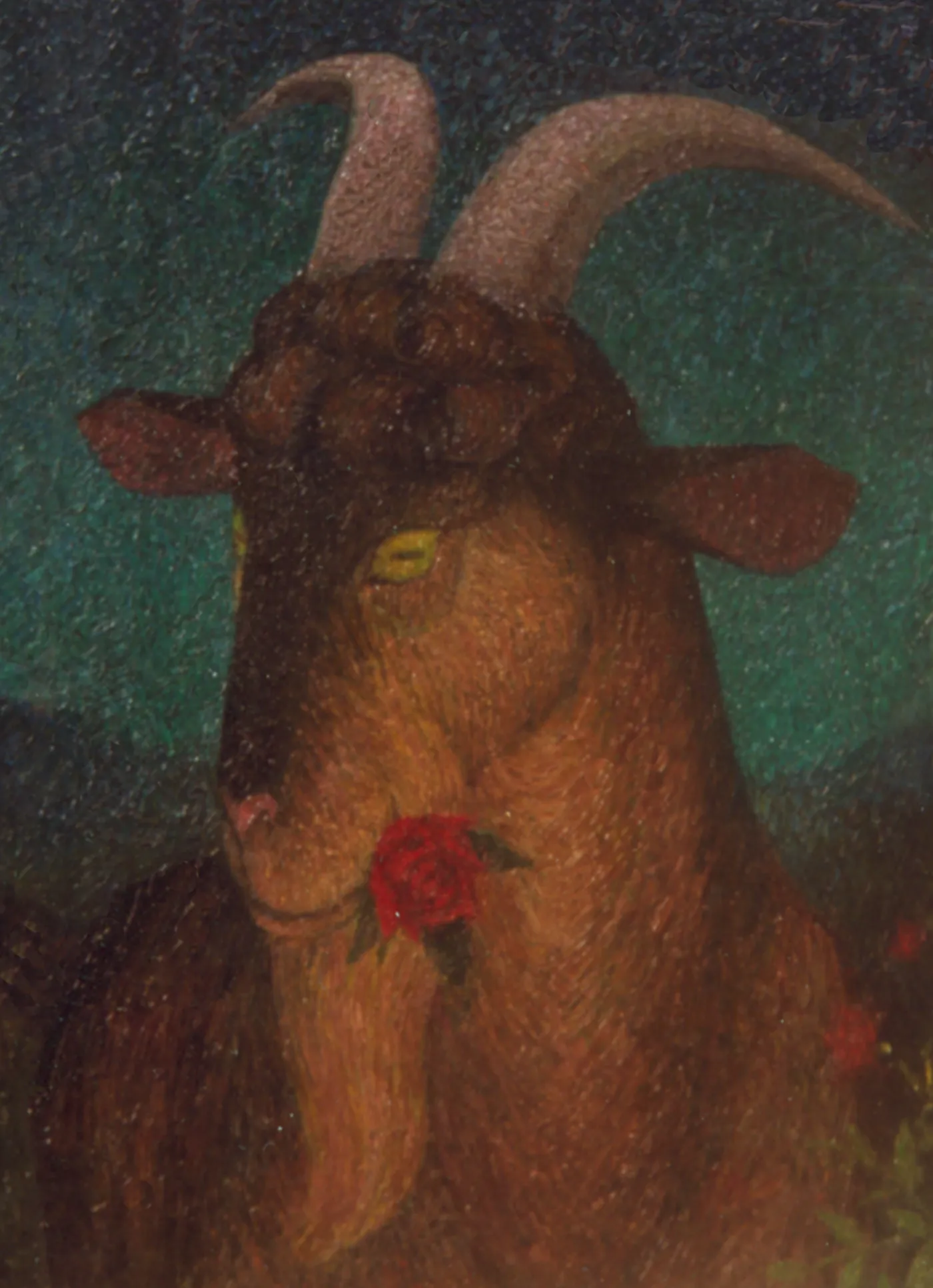
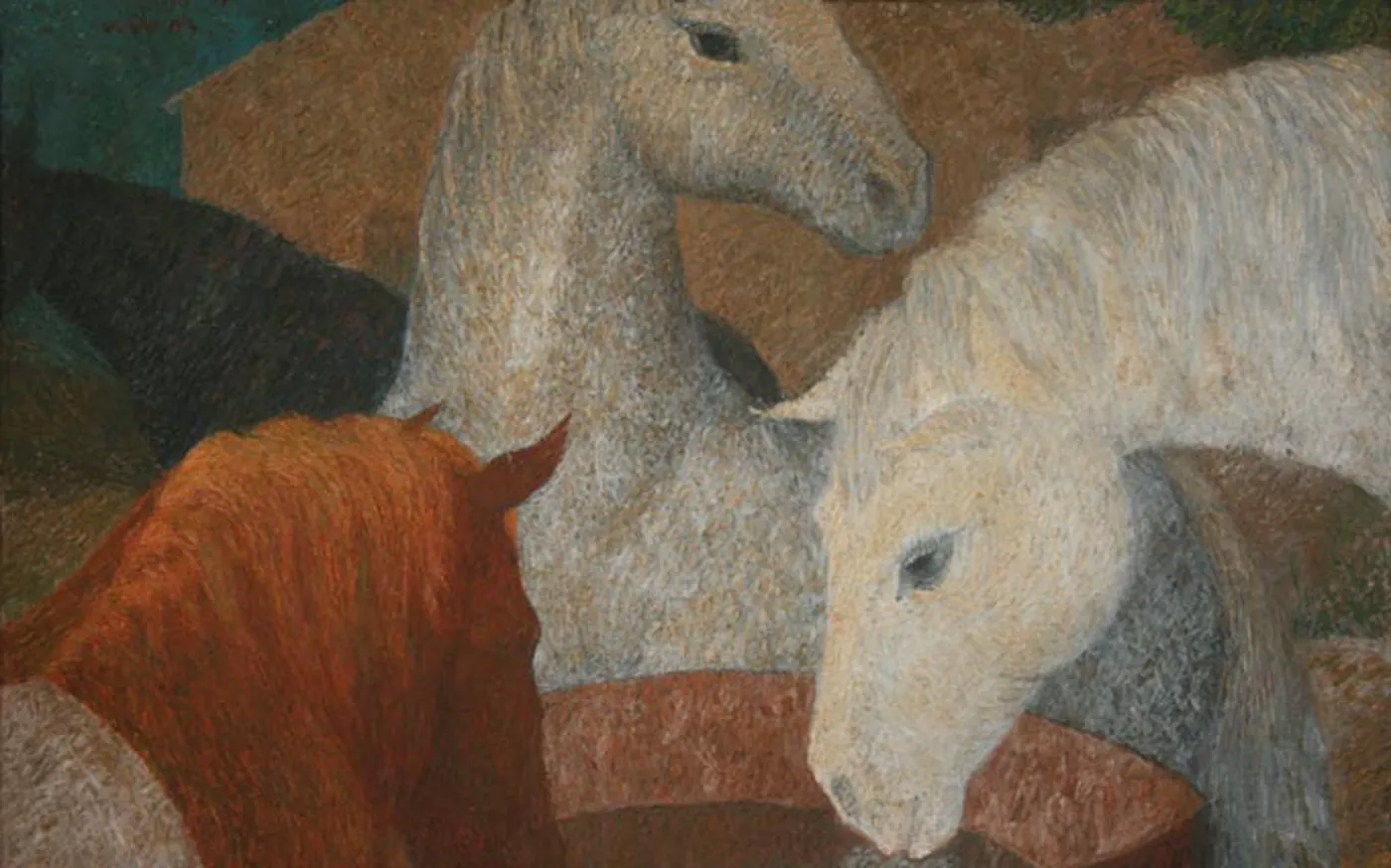
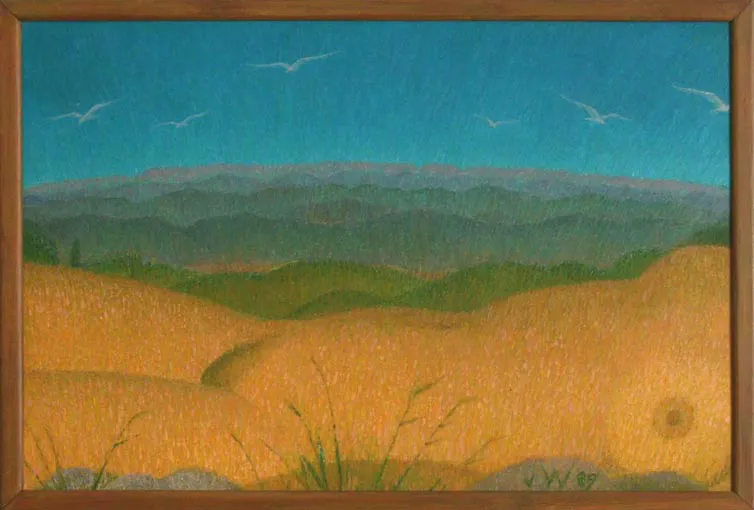
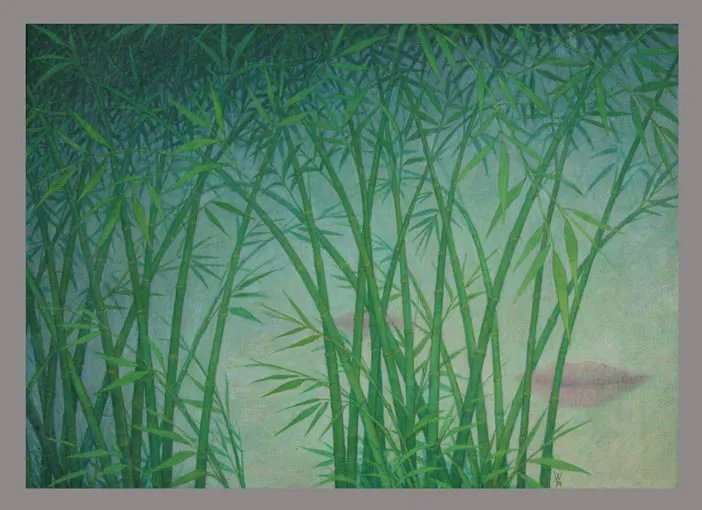
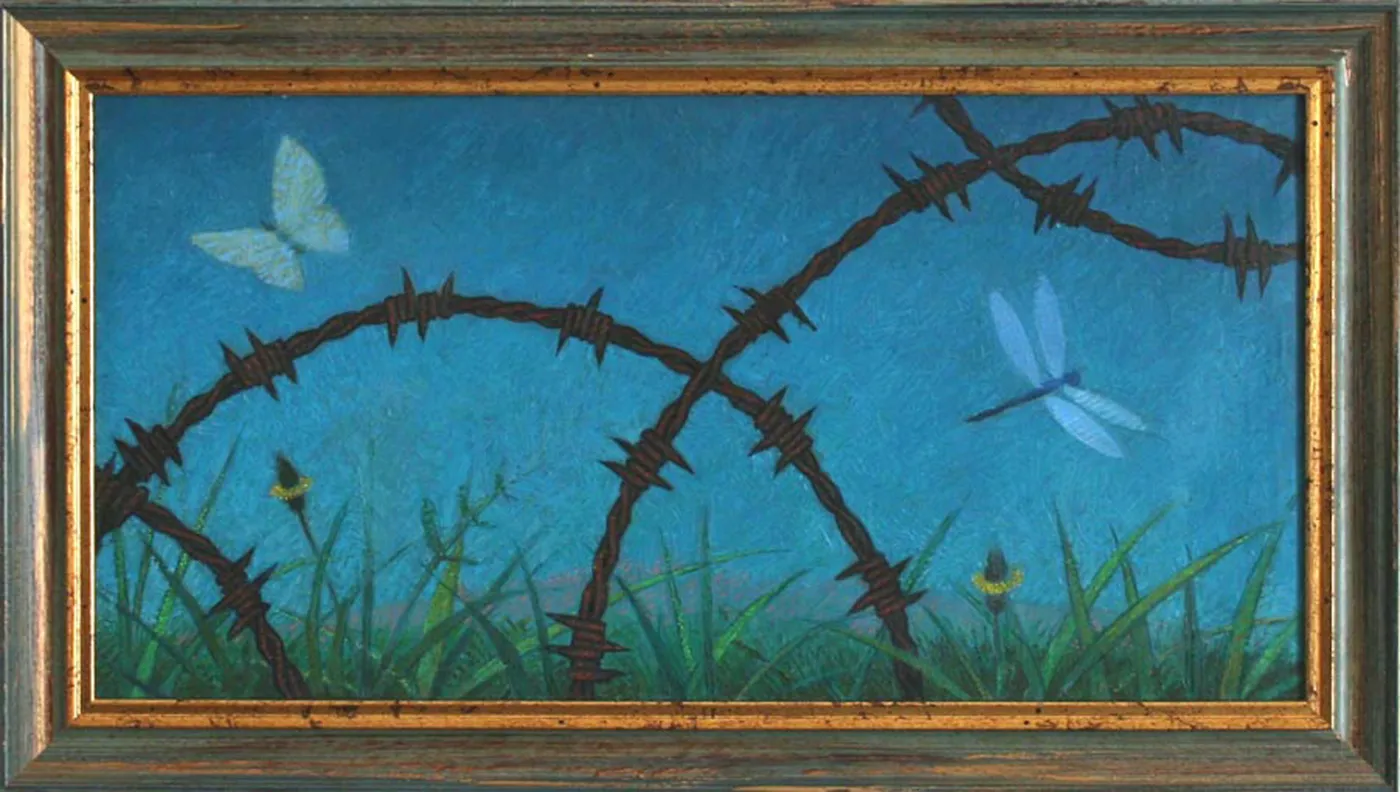
12 worksLandscapes, animals, trees and nature scenes, from 1961 to 1990.
The human figure
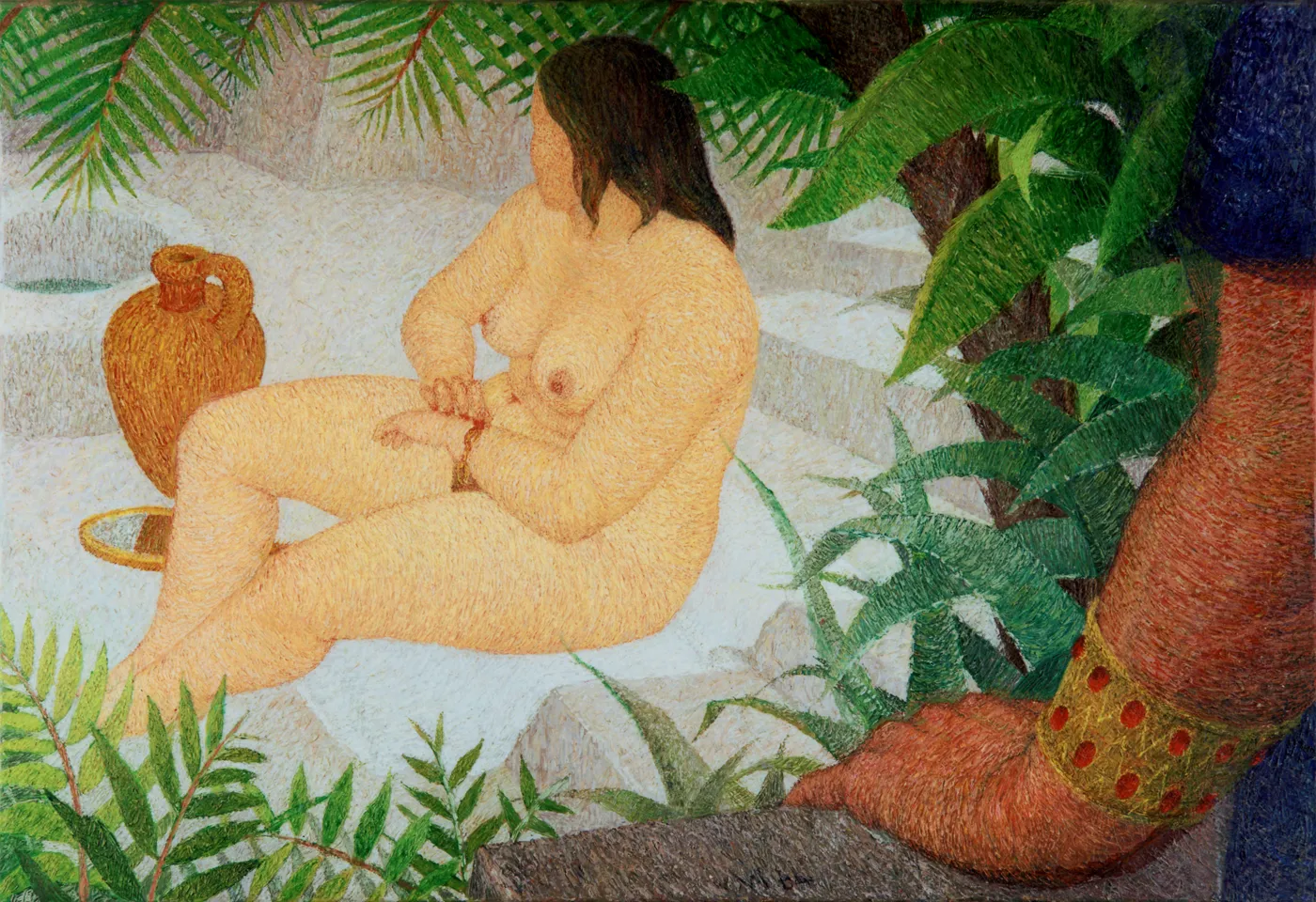
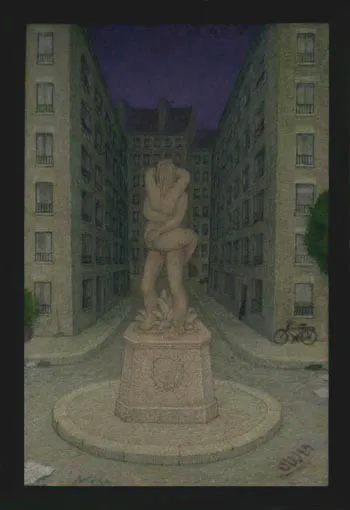
12 worksFemale nudes and couple scenes, including biblical or mythical subjects, following the Cubist period.
Imaginary compositions
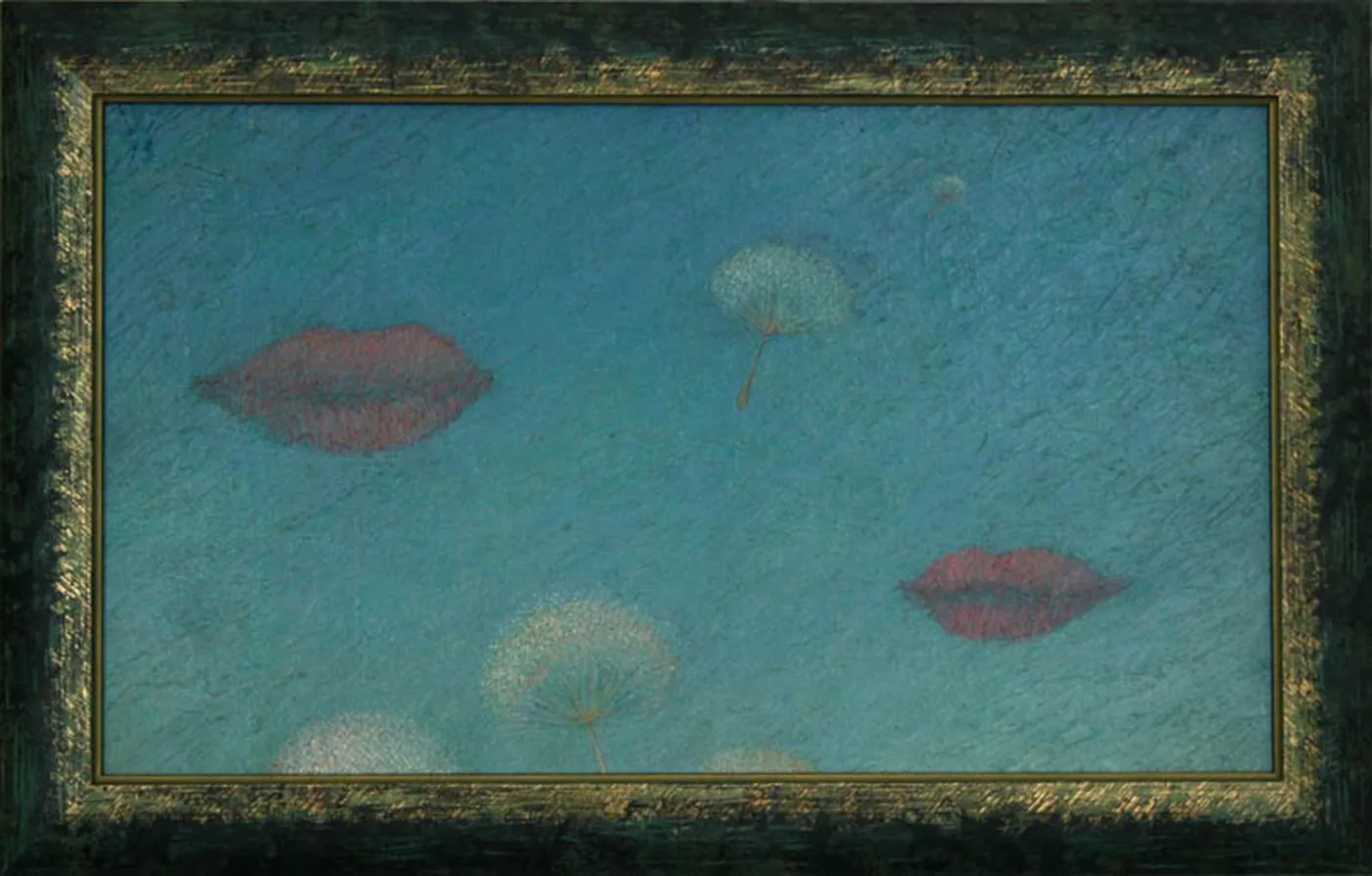
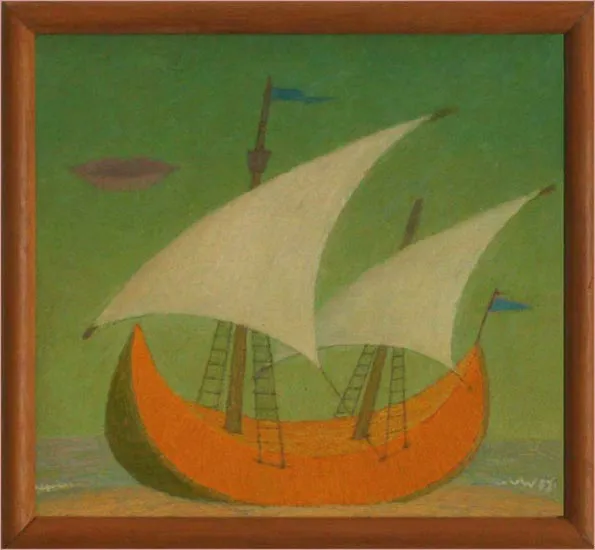
8 worksCompositions with a symbolic or political subject, from 1953 to 1990.
Drawings
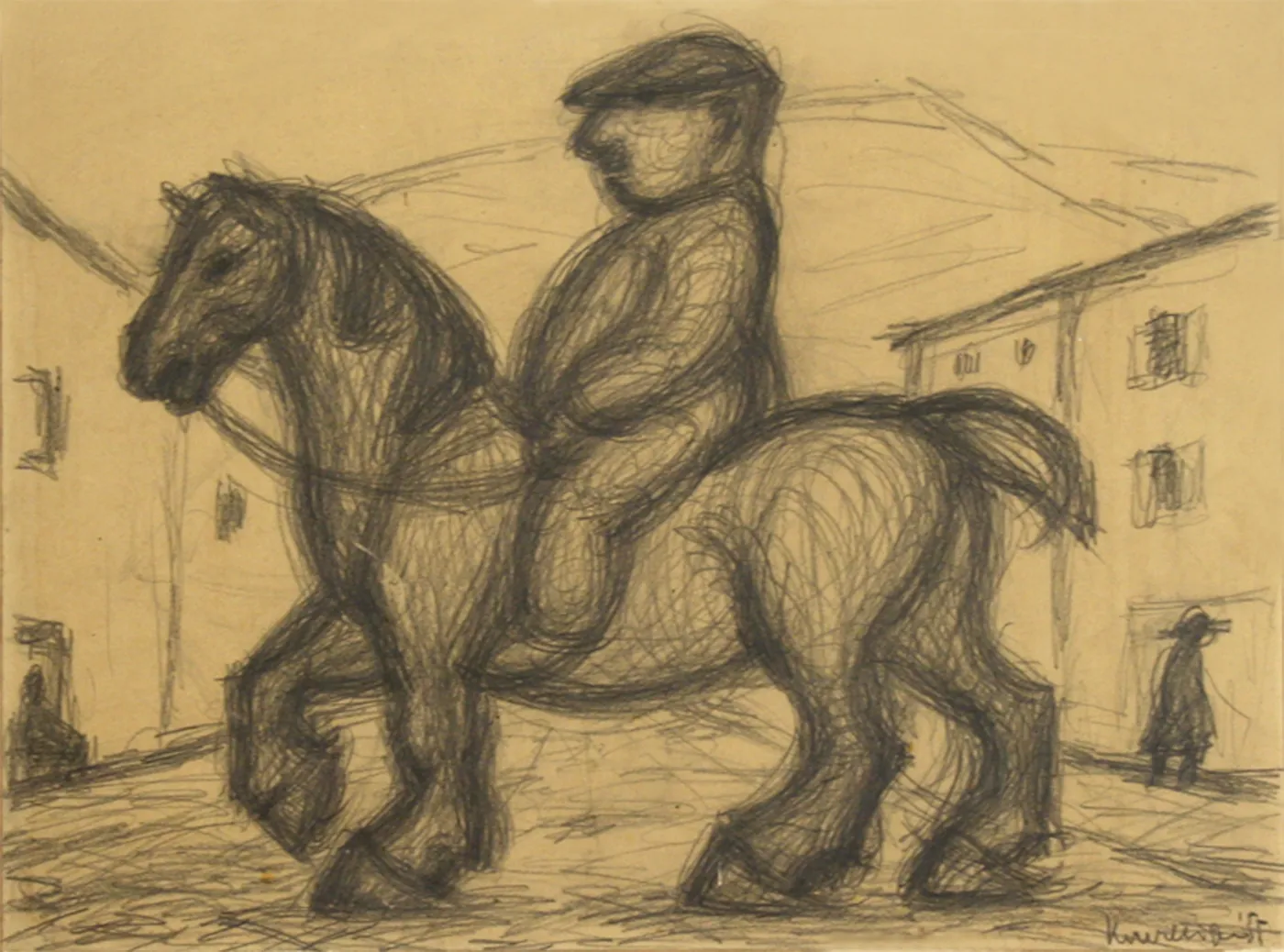
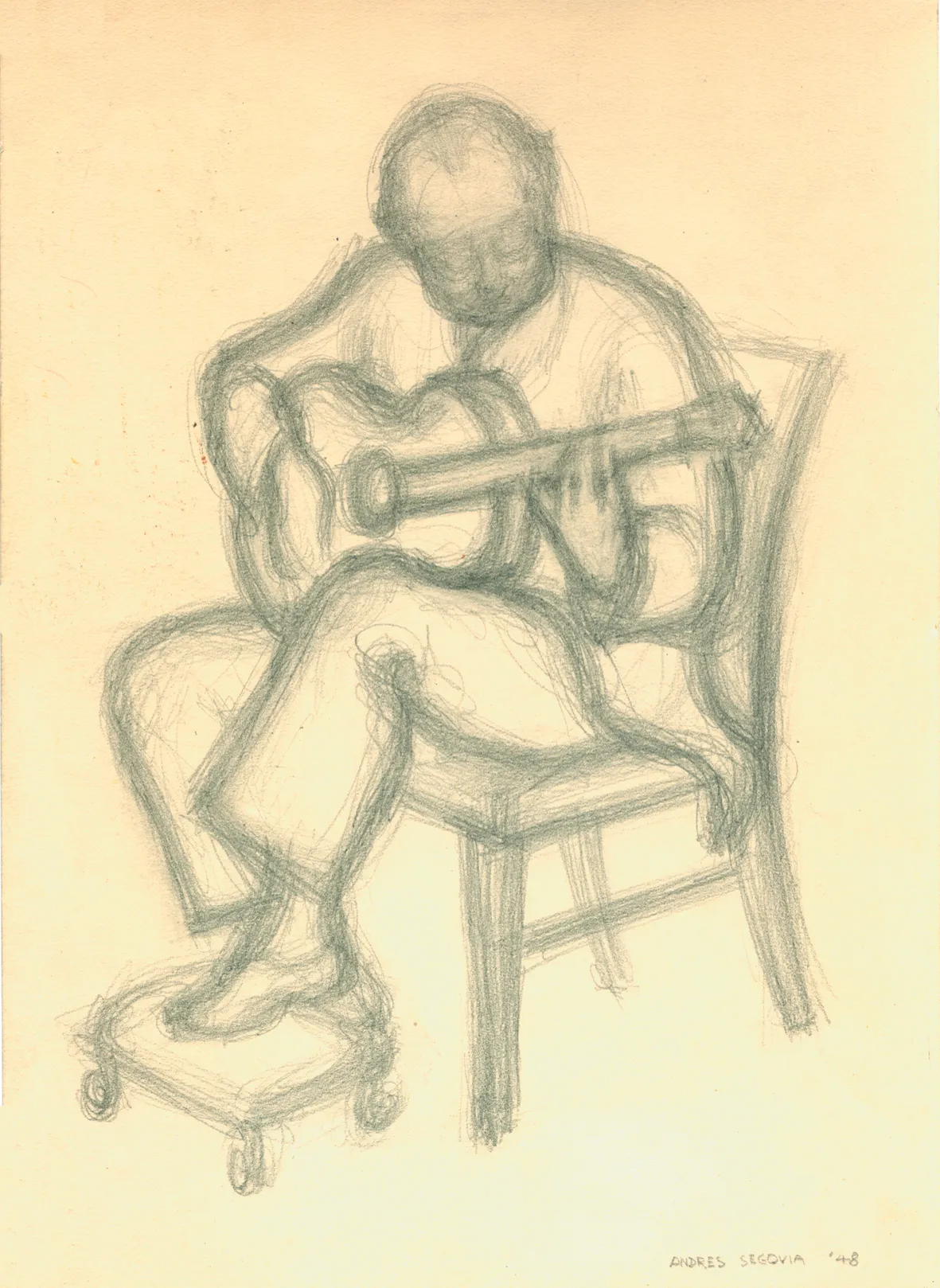
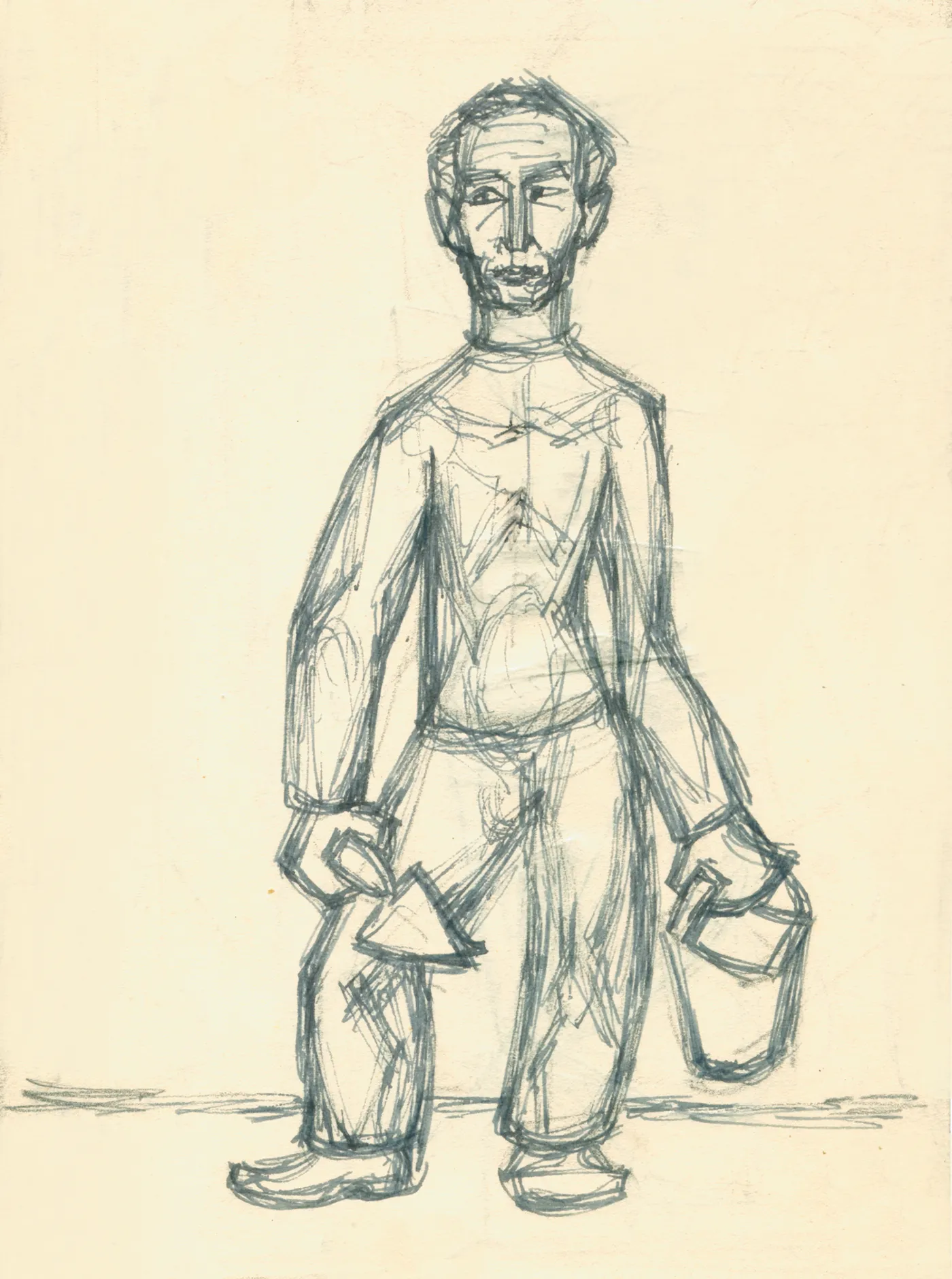
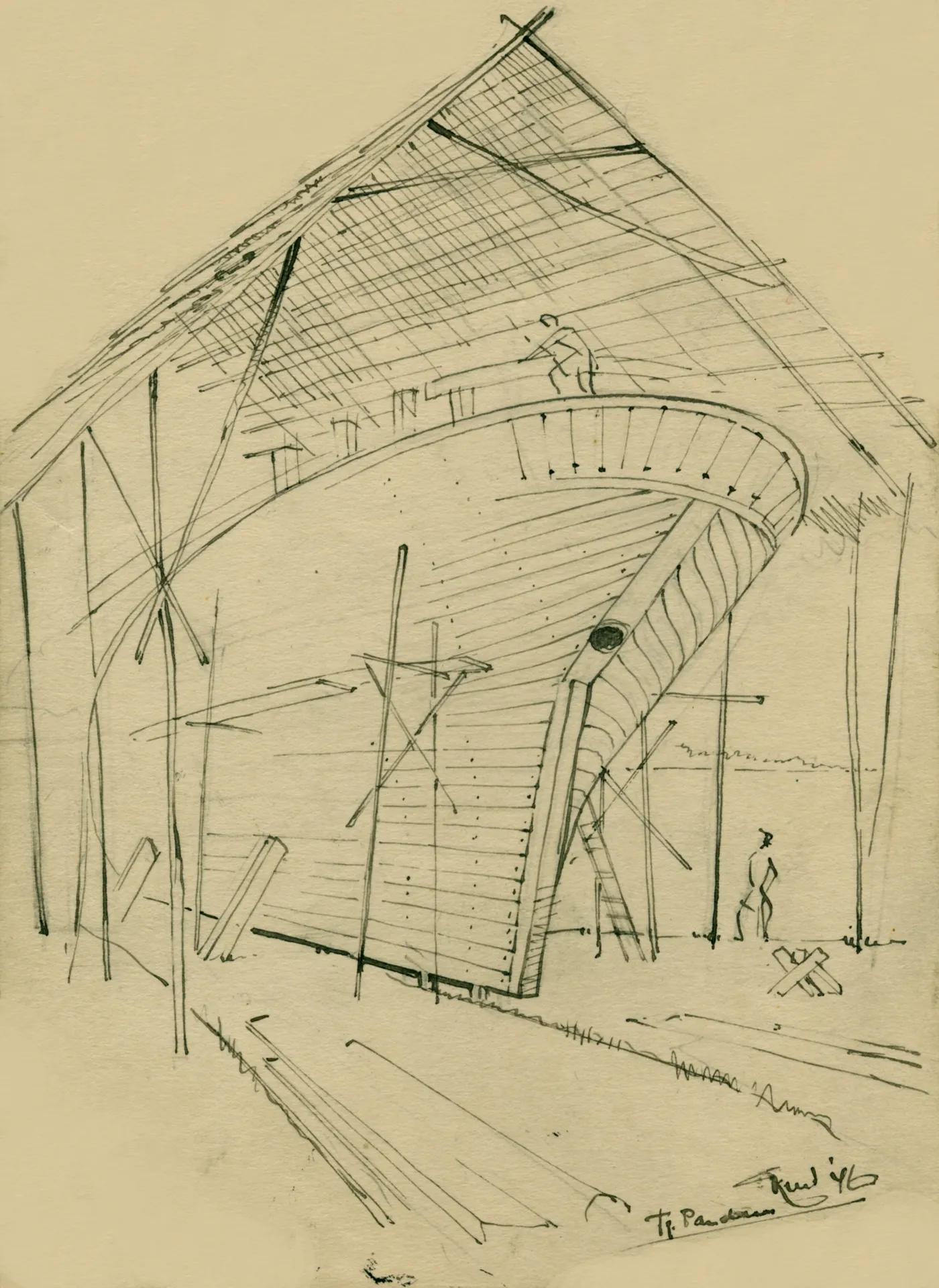
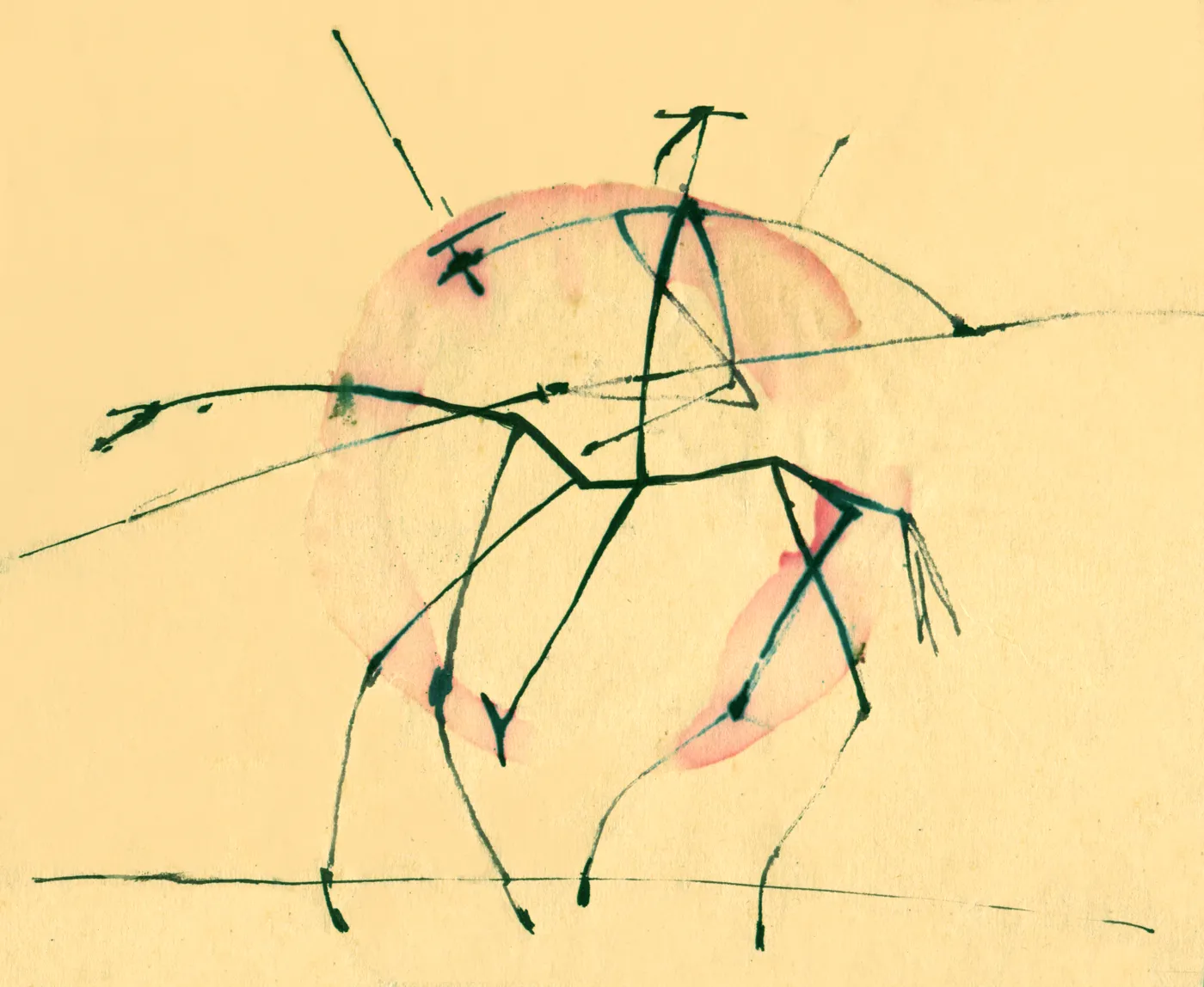
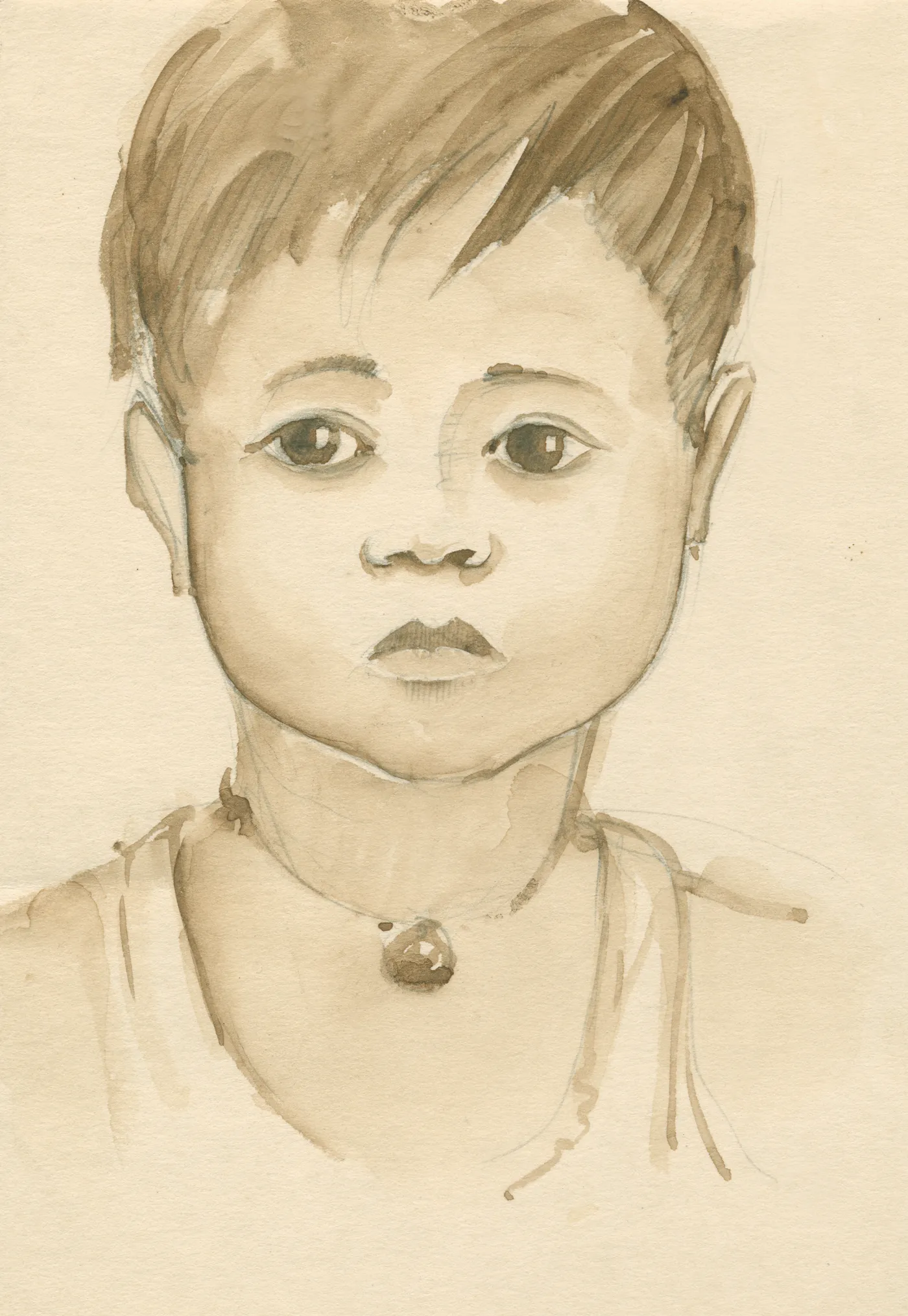
12 worksPencil and grease-pencil drawings, preparatory studies and travel sketches.